
Before Memmo my notes were scattered across PDFs. Now a workspace pulls everything into one place — I see exactly what's still left to study.
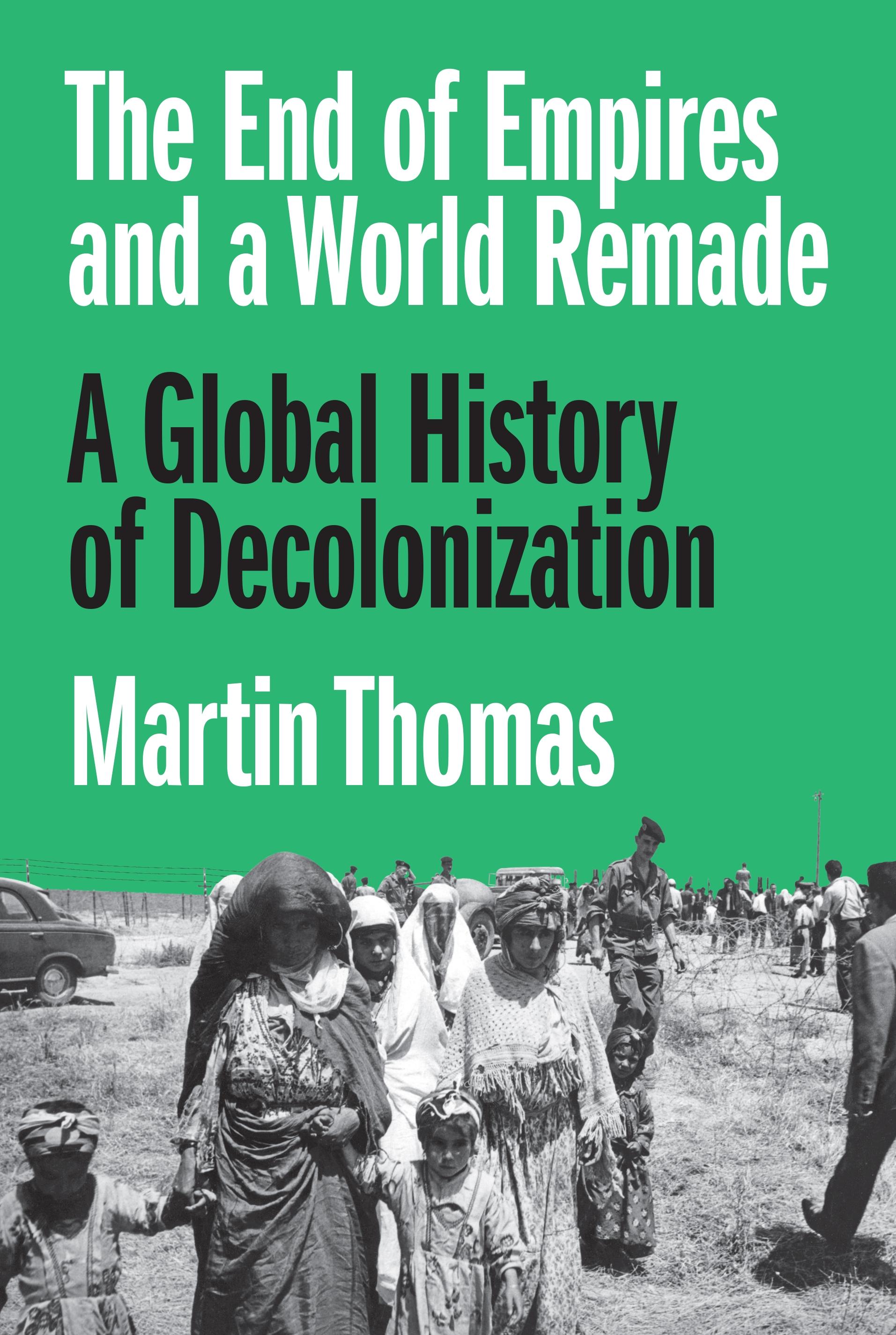
A capacious history of decolonization from the decline of empires to the era of globalization
Empires, until recently, were everywhere. They shaped borders, stirred conflicts, and set the terms of international politics. With the collapse of empire came a fundamental reorganization of our world. Decolonization unfolded across territories as well as within them. Its struggles became internationalized and transnational, as much global campaigns of moral disarmament against colonial injustice as local contests of arms. In this expansive history, Martin Thomas tells the story of decolonization and its intrinsic link to globalization. He traces the connections between these two transformative processes: the end of formal empire and the acceleration of global integration, market reorganization, cultural exchange, and migration.
The End of Empires and a World Remade shows how profoundly decolonization shaped the process of globalization in the wake of empire collapse. In the second half of the twentieth century, decolonization catalyzed new international coalitions; it triggered partitions and wars; and it reshaped North-South dynamics. Globalization promised the decolonized greater access to essential resources, to wider networks of influence, and to worldwide audiences, but its neoliberal variant has reinforced economic inequalities and imperial forms of political and cultural influences. In surveying these two codependent histories across the world, from Latin America to Asia, Thomas explains why the deck was so heavily stacked against newly independent nations.
Decolonization stands alongside the great world wars as the most transformative event of twentieth-century history. In The End of Empires and a World Remade, Thomas offers a masterful analysis of the greatest process of state-making (and empire-unmaking) in modern history.
Before Memmo my notes were scattered across PDFs. Now a workspace pulls everything into one place — I see exactly what's still left to study.
Memmo's summaries are gold before exams. I don't have to re-read 800 pages two weeks before — just the important parts.
The AI chat has saved me the night before an exam more than once. I just keep asking until I get it — no waiting on a study group to reply.
The quizzes hit exactly what I need to know. Memmo tracks what I get stuck on — so I only practice what's worth it.
Flashcards with spaced repetition are magic. Memmo knows when I'm about to forget something and brings it back.
The AI podcasts are my favorite. I listen on my way to school and get a recap without sitting at a computer.

Handbok i kvalitativa metoder
281 kr

Hållbar utveckling: en introduktion för ingenjörer och andra problemlösare
334 kr

Brymans Samhällsvetenskapliga metoder
390 kr

Projektledning
491 kr

Den orättvisa hälsan: om socioekonomiska skillnader i hälsa och livslängd
326 kr

Vetenskapsteori för nybörjare
196 kr

Organizational Leadership
429 kr

På väg mot läraryrket
172 kr

Det sociala livet i skolan: Socialpsykologiska perspektiv
253 kr

Betygsättningens didaktik
151 kr

Personality
402 kr

Studying Leadership
404 kr

Managing Innovation
477 kr

Introduktion till samhällsvetenskaplig metod
347 kr

The Psychology of Sex and Gender
698 kr

Evidens och kunskap för socialt arbete
207 kr

Introduction to Leadership
605 kr