
Before Memmo my notes were scattered across PDFs. Now a workspace pulls everything into one place — I see exactly what's still left to study.
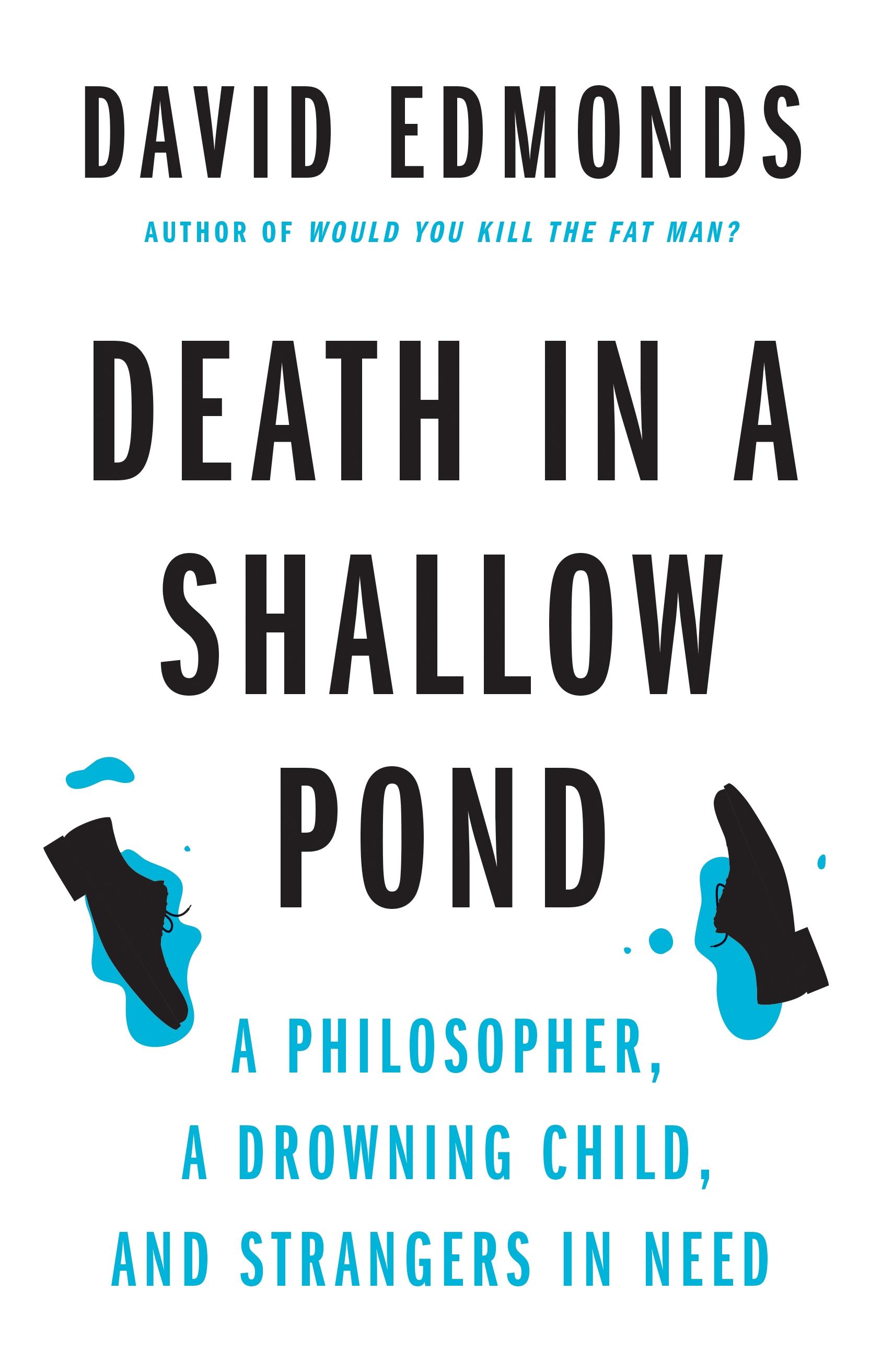
From the bestselling coauthor of Wittgenstein’s Poker, a fascinating account of Peter Singer’s controversial “drowning child” thought experiment—and how it changed the way people think about charitable giving
Imagine this: You’re walking past a shallow pond and spot a toddler thrashing around in the water, in obvious danger of drowning. You look around for her parents, but nobody is there. You’re the only person who can save her and you must act immediately. But as you approach the pond you remember that you’re wearing your most expensive shoes. Wading into the water will ruin them—and might make you late for a meeting. Should you let the child drown? The philosopher Peter Singer published this thought experiment in 1972, arguing that allowing people in the developing world to die, when we could easily help them by giving money to charity, is as morally reprehensible as saving our shoes instead of the drowning child. Can this possibly be true? In Death in a Shallow Pond, David Edmonds tells the remarkable story of Singer and his controversial idea, tracing how it radically changed the way many think about poverty—but also how it has provoked scathing criticisms.
Death in a Shallow Pond describes the experiences and world events that led Singer to make his radical case and how it moved some young philosophers to establish the Effective Altruism movement, which tries to optimize philanthropy. The book also explores the reactions of critics who argue that the Shallow Pond and Effective Altruism are unrealistic, misguided, and counterproductive, neglecting the causes of—and therefore perpetuating—poverty. Ultimately, however, Edmonds argues that the Shallow Pond retains the power to shape how we live in a world in which terrible and unnecessary suffering persists.
Before Memmo my notes were scattered across PDFs. Now a workspace pulls everything into one place — I see exactly what's still left to study.
Memmo's summaries are gold before exams. I don't have to re-read 800 pages two weeks before — just the important parts.
The AI chat has saved me the night before an exam more than once. I just keep asking until I get it — no waiting on a study group to reply.
The quizzes hit exactly what I need to know. Memmo tracks what I get stuck on — so I only practice what's worth it.
Flashcards with spaced repetition are magic. Memmo knows when I'm about to forget something and brings it back.
The AI podcasts are my favorite. I listen on my way to school and get a recap without sitting at a computer.

Handbok i kvalitativa metoder
281 kr

Hållbar utveckling: en introduktion för ingenjörer och andra problemlösare
334 kr

Brymans Samhällsvetenskapliga metoder
390 kr

Projektledning
491 kr

Den orättvisa hälsan: om socioekonomiska skillnader i hälsa och livslängd
326 kr

Vetenskapsteori för nybörjare
196 kr

Organizational Leadership
429 kr

På väg mot läraryrket
172 kr

Det sociala livet i skolan: Socialpsykologiska perspektiv
253 kr

Betygsättningens didaktik
151 kr

Personality
402 kr

Studying Leadership
404 kr

Managing Innovation
477 kr

Introduktion till samhällsvetenskaplig metod
347 kr

The Psychology of Sex and Gender
698 kr

Evidens och kunskap för socialt arbete
207 kr

Introduction to Leadership
605 kr