
Before Memmo my notes were scattered across PDFs. Now a workspace pulls everything into one place — I see exactly what's still left to study.
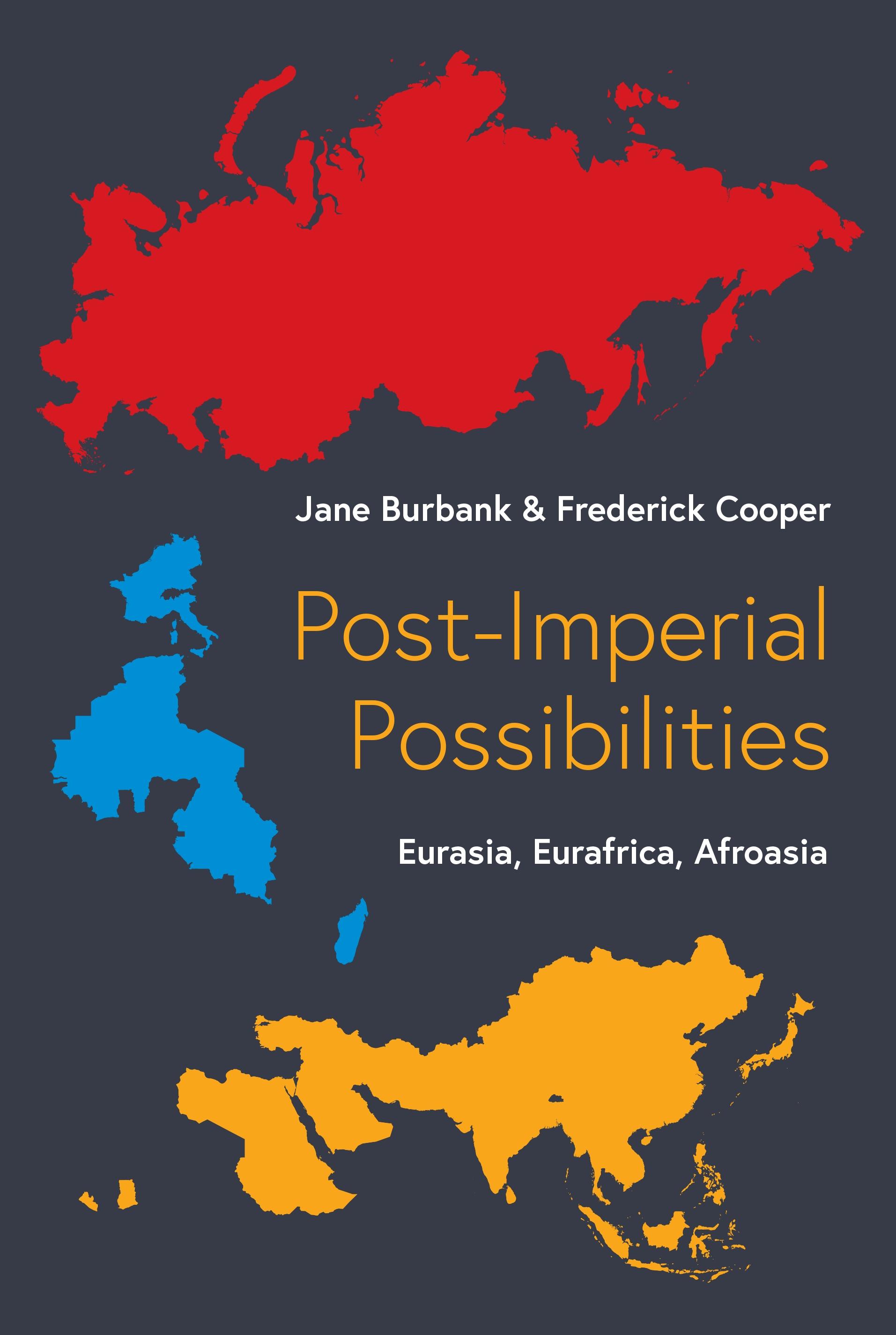
A history of three transnational political projects designed to overcome the inequities of imperialism
After the dissolution of empires, was the nation-state the only way to unite people politically, culturally, and economically? In Post-Imperial Possibilities, historians Jane Burbank and Frederick Cooper examine three large-scale, transcontinental projects aimed at bringing together peoples of different regions to mitigate imperial legacies of inequality. Eurasia, Eurafrica, and Afroasia—in theory if not in practice—offered alternative routes out of empire.
The theory of Eurasianism was developed after the collapse of imperial Russia by exiled intellectuals alienated by both Western imperialism and communism. Eurafrica began as a design for collaborative European exploitation of Africa but was transformed in the 1940s and 1950s into a project to include France’s African territories in plans for European integration. The Afroasian movement wanted to replace the vertical relationship of colonizer and colonized with a horizontal relationship among former colonial territories that could challenge both the communist and capitalist worlds.
Both Eurafrica and Afroasia floundered, victims of old and new vested interests. But Eurasia revived in the 1990s, when Russian intellectuals turned the theory’s attack on Western hegemony into a recipe for the restoration of Russian imperial power. While both the system of purportedly sovereign states and the concentrated might of large economic and political institutions continue to frustrate projects to overcome inequities in welfare and power, Burbank and Cooper’s study of political imagination explores wide-ranging concepts of social affiliation and obligation that emerged after empire and the reasons for their unlike destinies.
Before Memmo my notes were scattered across PDFs. Now a workspace pulls everything into one place — I see exactly what's still left to study.
Memmo's summaries are gold before exams. I don't have to re-read 800 pages two weeks before — just the important parts.
The AI chat has saved me the night before an exam more than once. I just keep asking until I get it — no waiting on a study group to reply.
The quizzes hit exactly what I need to know. Memmo tracks what I get stuck on — so I only practice what's worth it.
Flashcards with spaced repetition are magic. Memmo knows when I'm about to forget something and brings it back.
The AI podcasts are my favorite. I listen on my way to school and get a recap without sitting at a computer.

Handbok i kvalitativa metoder
281 kr

Hållbar utveckling: en introduktion för ingenjörer och andra problemlösare
334 kr

Brymans Samhällsvetenskapliga metoder
390 kr

Projektledning
491 kr

Den orättvisa hälsan: om socioekonomiska skillnader i hälsa och livslängd
326 kr

Organizational Leadership
429 kr

Vetenskapsteori för nybörjare
196 kr

På väg mot läraryrket
172 kr

Det sociala livet i skolan: Socialpsykologiska perspektiv
253 kr

Betygsättningens didaktik
151 kr

Personality
402 kr

Studying Leadership
404 kr

Managing Innovation
477 kr

Introduktion till samhällsvetenskaplig metod
347 kr

The Psychology of Sex and Gender
698 kr

Evidens och kunskap för socialt arbete
207 kr

Introduction to Leadership
605 kr