
Before Memmo my notes were scattered across PDFs. Now a workspace pulls everything into one place — I see exactly what's still left to study.
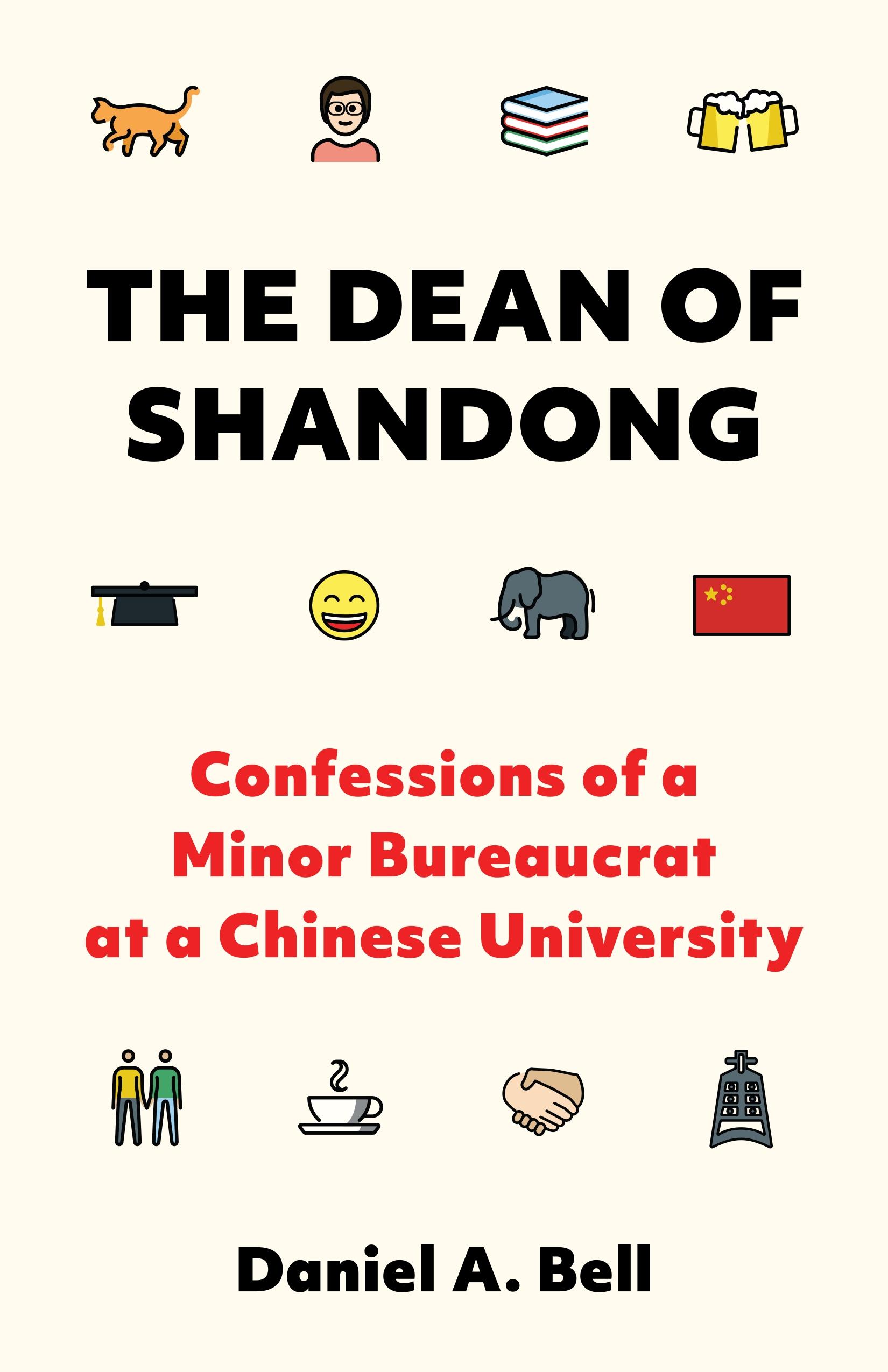
A Financial Times Best Book of the Year
An inside view of Chinese academia and what it reveals about China’s political system
On January 1, 2017, Daniel Bell was appointed dean of the School of Political Science and Public Administration at Shandong University—the first foreign dean of a political science faculty in mainland China’s history. In The Dean of Shandong, Bell chronicles his experiences as what he calls “a minor bureaucrat,” offering an inside account of the workings of Chinese academia and what they reveal about China’s political system. It wasn’t all smooth sailing—Bell wryly recounts sporadic bungles and misunderstandings—but Bell’s post as dean provides a unique vantage point on China today.
Bell, neither a Chinese citizen nor a member of the Chinese Communist Party, was appointed as dean because of his scholarly work on Confucianism—but soon found himself coping with a variety of issues having little to do with scholarship or Confucius. These include the importance of hair color and the prevalence of hair-dyeing among university administrators, both male and female; Shandong’s drinking culture, with endless toasts at every shared meal; and some unintended consequences of an intensely competitive academic meritocracy. As dean, he also confronts weightier matters: the role at the university of the Party secretary, the national anticorruption campaign and its effect on academia (Bell asks provocatively, “What’s wrong with corruption?”), and formal and informal modes of censorship. Considering both the revival of Confucianism in China over the last three decades and what he calls “the Communist comeback” since 2008, Bell predicts that China’s political future is likely to be determined by both Confucianism and Communism.
Before Memmo my notes were scattered across PDFs. Now a workspace pulls everything into one place — I see exactly what's still left to study.
Memmo's summaries are gold before exams. I don't have to re-read 800 pages two weeks before — just the important parts.
The AI chat has saved me the night before an exam more than once. I just keep asking until I get it — no waiting on a study group to reply.
The quizzes hit exactly what I need to know. Memmo tracks what I get stuck on — so I only practice what's worth it.
Flashcards with spaced repetition are magic. Memmo knows when I'm about to forget something and brings it back.
The AI podcasts are my favorite. I listen on my way to school and get a recap without sitting at a computer.

Handbok i kvalitativa metoder
281 kr

Hållbar utveckling: en introduktion för ingenjörer och andra problemlösare
334 kr

Brymans Samhällsvetenskapliga metoder
390 kr

Projektledning
491 kr

Den orättvisa hälsan: om socioekonomiska skillnader i hälsa och livslängd
326 kr

Vetenskapsteori för nybörjare
196 kr

Organizational Leadership
429 kr

På väg mot läraryrket
172 kr

Det sociala livet i skolan: Socialpsykologiska perspektiv
253 kr

Betygsättningens didaktik
151 kr

Personality
402 kr

Studying Leadership
404 kr

Managing Innovation
477 kr

Introduktion till samhällsvetenskaplig metod
347 kr

The Psychology of Sex and Gender
698 kr

Evidens och kunskap för socialt arbete
207 kr

Introduction to Leadership
605 kr