
Before Memmo my notes were scattered across PDFs. Now a workspace pulls everything into one place — I see exactly what's still left to study.
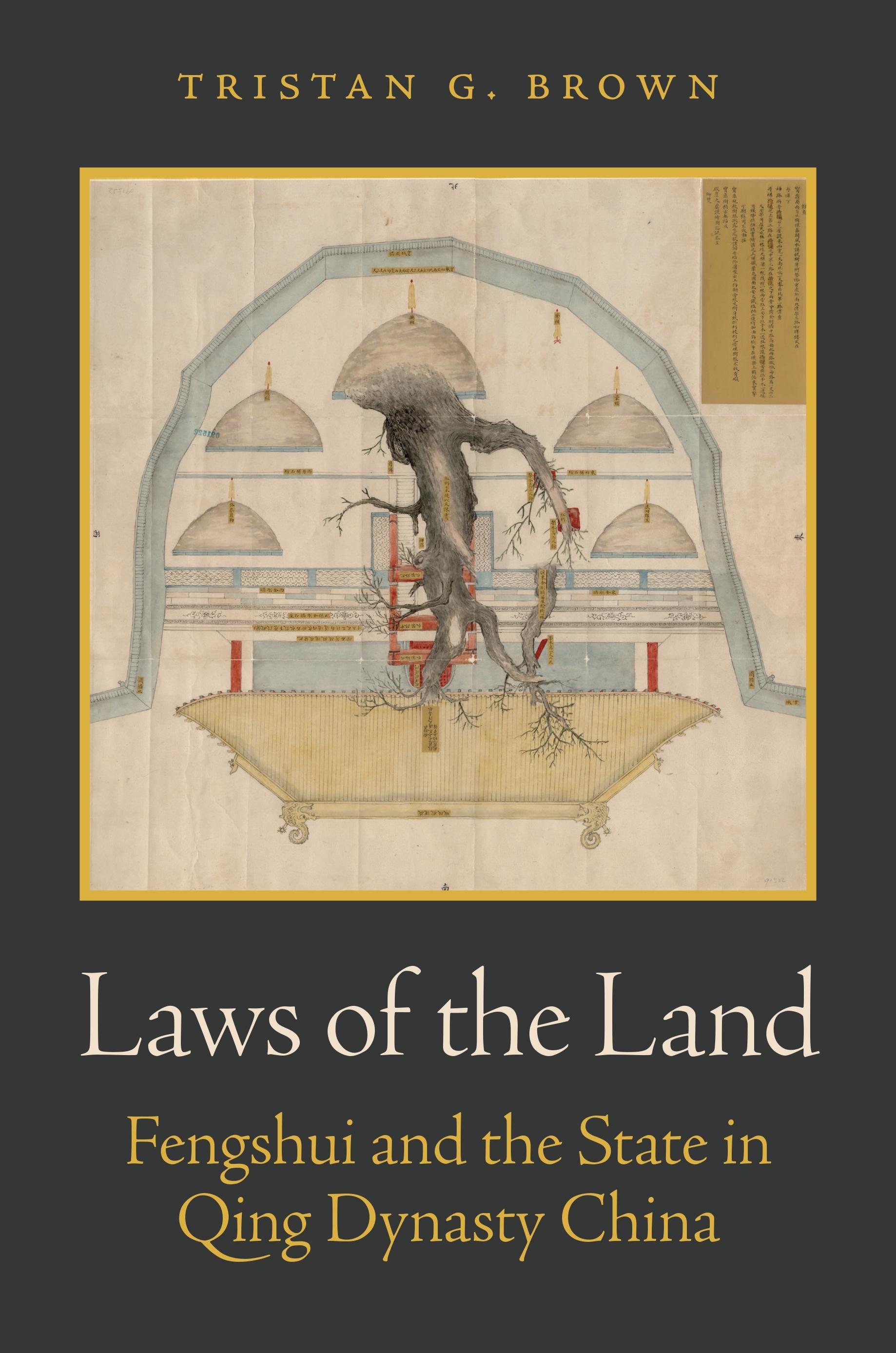
A groundbreaking history of fengshui’s roles in public life and law during China’s last imperial dynasty
Today the term fengshui, which literally means “wind and water,” is recognized around the world. Yet few know exactly what it means, let alone its fascinating history. In Laws of the Land, Tristan Brown tells the story of the important roles—especially legal ones—played by fengshui in Chinese society during China’s last imperial dynasty, the Manchu Qing (1644–1912).
Employing archives from Mainland China and Taiwan that have only recently become available, this is the first book to document fengshui’s invocations in Chinese law during the Qing dynasty. Facing a growing population, dwindling natural resources, and an overburdened rural government, judicial administrators across China grappled with disputes and petitions about fengshui in their efforts to sustain forestry, farming, mining, and city planning. Laws of the Land offers a radically new interpretation of these legal arrangements: they worked. An intelligent, considered, and sustained engagement with fengshui on the ground helped the imperial state keep the peace and maintain its legitimacy, especially during the increasingly turbulent decades of the nineteenth century. As the century came to an end, contentious debates over industrialization swept across the bureaucracy, with fengshui invoked by officials and scholars opposed to the establishment of railways, telegraphs, and foreign-owned mines.
Demonstrating that the only way to understand those debates and their profound stakes is to grasp fengshui’s longstanding roles in Chinese public life, Laws of the Land rethinks key issues in the history of Chinese law, politics, science, religion, and economics.
Before Memmo my notes were scattered across PDFs. Now a workspace pulls everything into one place — I see exactly what's still left to study.
Memmo's summaries are gold before exams. I don't have to re-read 800 pages two weeks before — just the important parts.
The AI chat has saved me the night before an exam more than once. I just keep asking until I get it — no waiting on a study group to reply.
The quizzes hit exactly what I need to know. Memmo tracks what I get stuck on — so I only practice what's worth it.
Flashcards with spaced repetition are magic. Memmo knows when I'm about to forget something and brings it back.
The AI podcasts are my favorite. I listen on my way to school and get a recap without sitting at a computer.

Handbok i kvalitativa metoder
281 kr

Hållbar utveckling: en introduktion för ingenjörer och andra problemlösare
334 kr

Brymans Samhällsvetenskapliga metoder
390 kr

Projektledning
491 kr

Den orättvisa hälsan: om socioekonomiska skillnader i hälsa och livslängd
326 kr

Vetenskapsteori för nybörjare
196 kr

Organizational Leadership
429 kr

På väg mot läraryrket
172 kr

Det sociala livet i skolan: Socialpsykologiska perspektiv
253 kr

Betygsättningens didaktik
151 kr

Personality
402 kr

Studying Leadership
404 kr

Managing Innovation
477 kr

Introduktion till samhällsvetenskaplig metod
347 kr

The Psychology of Sex and Gender
698 kr

Evidens och kunskap för socialt arbete
207 kr

Introduction to Leadership
605 kr