
Before Memmo my notes were scattered across PDFs. Now a workspace pulls everything into one place — I see exactly what's still left to study.
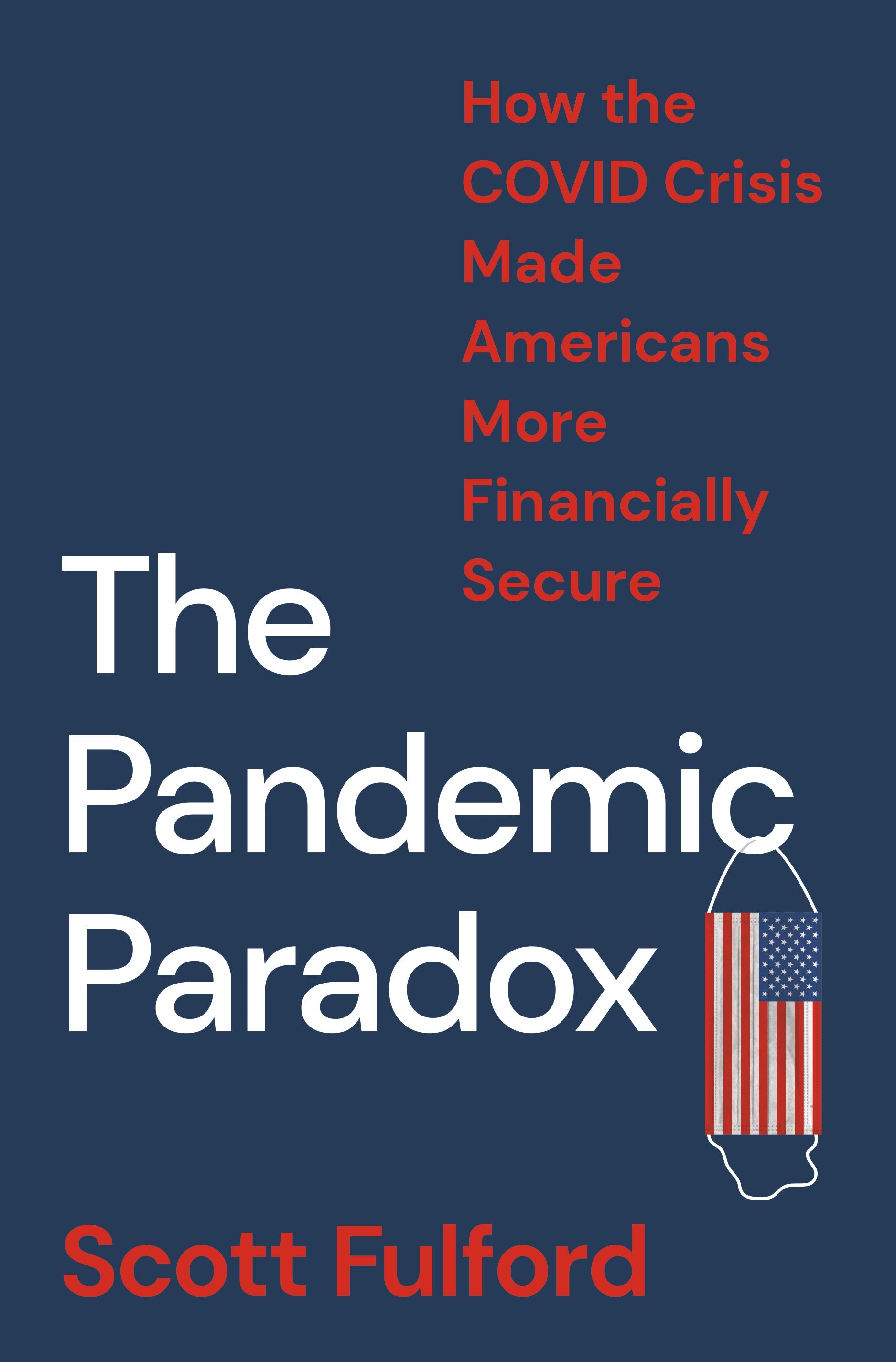
Why most Americans’ finances improved during the worst economic contraction since the Great Depression—and the policy choices that made this possible
In March 2020, economic and social life across the United States came to an abrupt halt as the country tried to slow the spread of COVID-19. In the worst economic contraction since the Great Depression, twenty-two million people lost their jobs between mid-March and mid-April of 2020. And yet somehow the finances of most Americans improved during the pandemic—savings went up, debts went down, and fewer people had trouble paying their bills. In The Pandemic Paradox, economist Scott Fulford explains this seeming contradiction, describing how the pandemic reshaped the American economy. As Americans grappled with remote work, “essential” work, and closed schools, three massive pandemic relief bills, starting with the CARES Act on March 27, 2020, managed to protect many of America’s most vulnerable.
Fulford draws from the Consumer Financial Protection Bureau's “Making Ends Meet” surveys—which he helped design—to interweave macroeconomic trends in spending, saving, and debt with stories of individual Americans’ economic lives during the pandemic. We meet Winona, who quit her job to take care of her children; Marvin, who retired early and worried that his savings wouldn’t last; Lisa, whose expenses went up after her grown kids (and their dog) moved back home; and many others. What the statistics and the stories show, Fulford argues, is that a better, fairer, more productive economy is still possible. The success of pandemic relief policy proves that Americans’ economic fragility is not an unsolvable problem. But we have to choose to solve it.
Before Memmo my notes were scattered across PDFs. Now a workspace pulls everything into one place — I see exactly what's still left to study.
Memmo's summaries are gold before exams. I don't have to re-read 800 pages two weeks before — just the important parts.
The AI chat has saved me the night before an exam more than once. I just keep asking until I get it — no waiting on a study group to reply.
The quizzes hit exactly what I need to know. Memmo tracks what I get stuck on — so I only practice what's worth it.
Flashcards with spaced repetition are magic. Memmo knows when I'm about to forget something and brings it back.
The AI podcasts are my favorite. I listen on my way to school and get a recap without sitting at a computer.

Handbok i kvalitativa metoder
281 kr

Hållbar utveckling: en introduktion för ingenjörer och andra problemlösare
334 kr

Brymans Samhällsvetenskapliga metoder
390 kr

Projektledning
491 kr

Den orättvisa hälsan: om socioekonomiska skillnader i hälsa och livslängd
326 kr

Organizational Leadership
429 kr

Vetenskapsteori för nybörjare
196 kr

På väg mot läraryrket
172 kr

Det sociala livet i skolan: Socialpsykologiska perspektiv
253 kr

Betygsättningens didaktik
151 kr

Personality
402 kr

Studying Leadership
404 kr

Managing Innovation
477 kr

Introduktion till samhällsvetenskaplig metod
347 kr

The Psychology of Sex and Gender
698 kr

Evidens och kunskap för socialt arbete
207 kr

Introduction to Leadership
605 kr