
Before Memmo my notes were scattered across PDFs. Now a workspace pulls everything into one place — I see exactly what's still left to study.
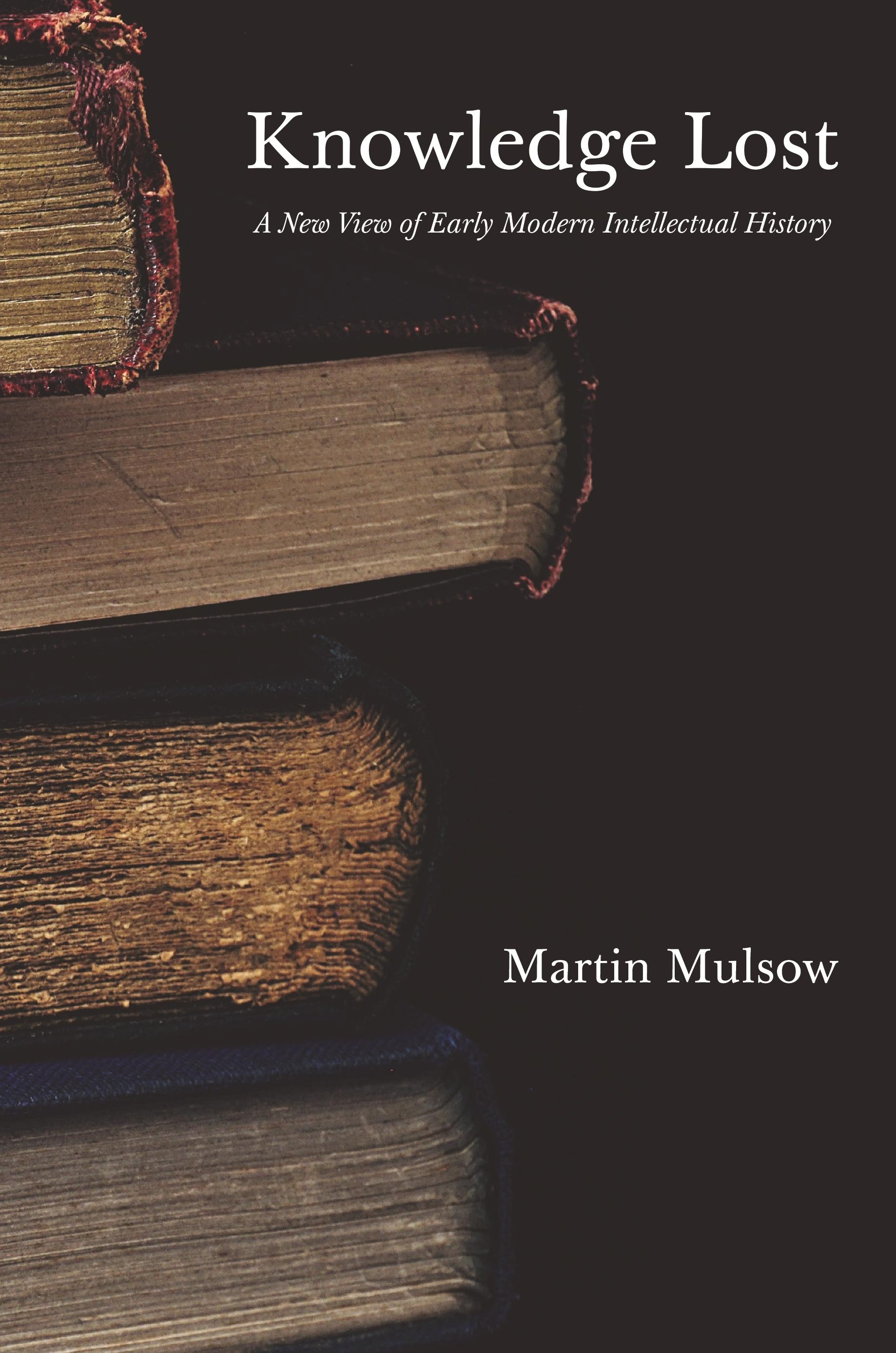
A compelling alternative account of the history of knowledge from the Renaissance to the Enlightenment
Until now the history of knowledge has largely been about formal and documented accumulation, concentrating on systems, collections, academies, and institutions. The central narrative has been one of advancement, refinement, and expansion. Martin Mulsow tells a different story. Knowledge can be lost: manuscripts are burned, oral learning dies with its bearers, new ideas are suppressed by censors. Knowledge Lost is a history of efforts, from the Renaissance to the Enlightenment, to counter such loss. It describes how critics of ruling political and religious regimes developed tactics to preserve their views; how they buried their ideas in footnotes and allusions; how they circulated their tracts and treatises in handwritten copies; and how they commissioned younger scholars to spread their writings after death.
Filled with exciting stories, Knowledge Lost follows the trail of precarious knowledge through a series of richly detailed episodes. It deals not with the major themes of metaphysics and epistemology, but rather with interpretations of the Bible, Orientalism, and such marginal zones as magic. And it focuses not on the usual major thinkers, but rather on forgotten or half-forgotten members of the “knowledge underclass,” such as Pietro della Vecchia, a libertine painter and intellectual; Charles-César Baudelot, an antiquarian and numismatist; and Johann Christoph Wolf, a pastor, Hebrew scholar, and witness to the persecution of heretics.
Offering a fascinating new approach to the intellectual history of early modern Europe, Knowledge Lost is also an ambitious attempt to rethink the very concept of knowledge.
Before Memmo my notes were scattered across PDFs. Now a workspace pulls everything into one place — I see exactly what's still left to study.
Memmo's summaries are gold before exams. I don't have to re-read 800 pages two weeks before — just the important parts.
The AI chat has saved me the night before an exam more than once. I just keep asking until I get it — no waiting on a study group to reply.
The quizzes hit exactly what I need to know. Memmo tracks what I get stuck on — so I only practice what's worth it.
Flashcards with spaced repetition are magic. Memmo knows when I'm about to forget something and brings it back.
The AI podcasts are my favorite. I listen on my way to school and get a recap without sitting at a computer.

Handbok i kvalitativa metoder
281 kr

Hållbar utveckling: en introduktion för ingenjörer och andra problemlösare
334 kr

Brymans Samhällsvetenskapliga metoder
390 kr

Projektledning
491 kr

Den orättvisa hälsan: om socioekonomiska skillnader i hälsa och livslängd
326 kr

Organizational Leadership
429 kr

Vetenskapsteori för nybörjare
196 kr

På väg mot läraryrket
172 kr

Det sociala livet i skolan: Socialpsykologiska perspektiv
253 kr

Betygsättningens didaktik
151 kr

Personality
402 kr

Studying Leadership
404 kr

Managing Innovation
477 kr

Introduktion till samhällsvetenskaplig metod
347 kr

The Psychology of Sex and Gender
698 kr

Evidens och kunskap för socialt arbete
207 kr

Introduction to Leadership
605 kr