
Before Memmo my notes were scattered across PDFs. Now a workspace pulls everything into one place — I see exactly what's still left to study.
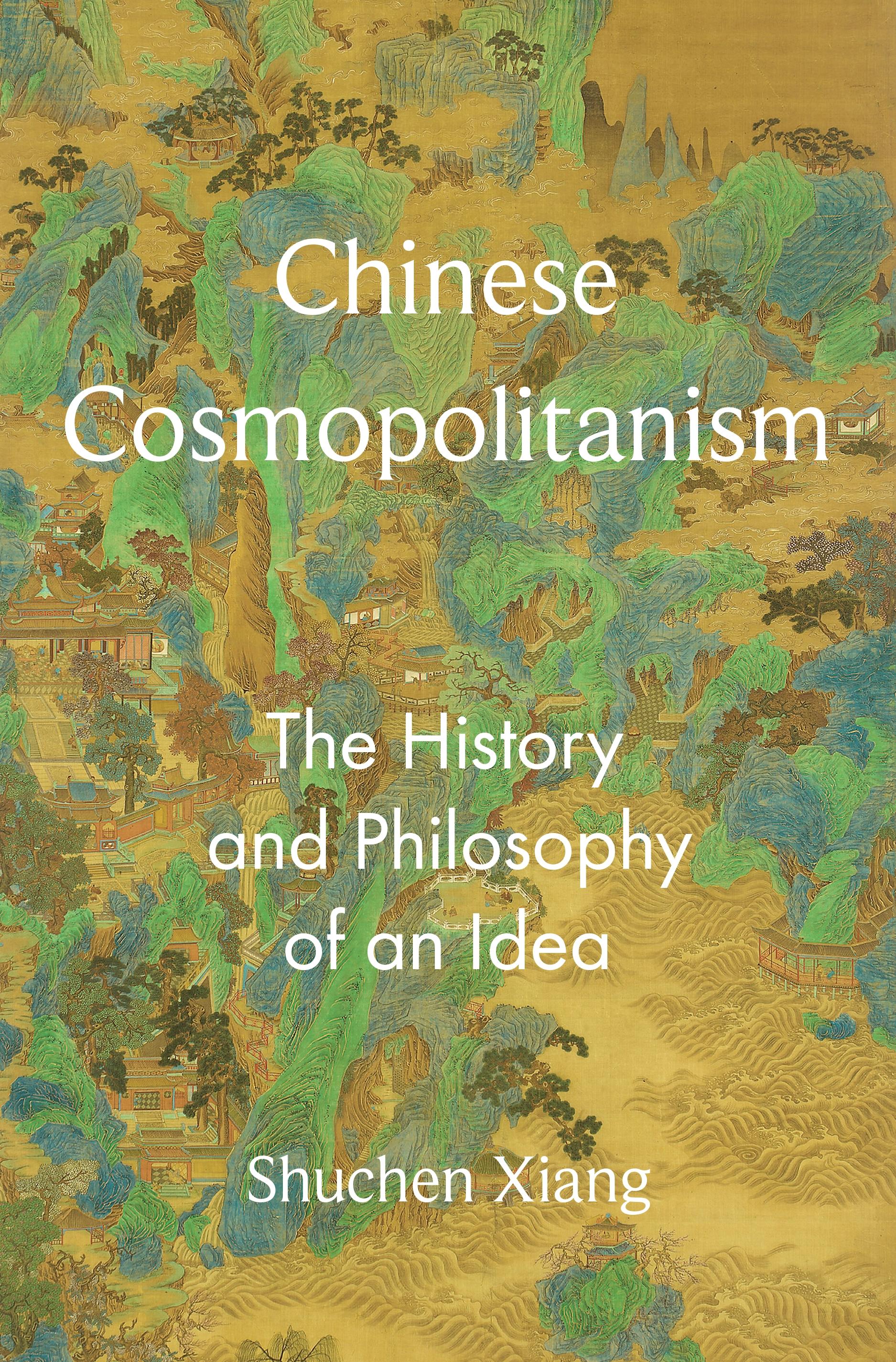
A provocative defense of a forgotten Chinese approach to identity and difference
Historically, the Western encounter with difference has been catastrophic: the extermination and displacement of aboriginal populations, the transatlantic slave trade, and colonialism. China, however, took a different historical path. In Chinese Cosmopolitanism, Shuchen Xiang argues that the Chinese cultural tradition was, from its formative beginnings and throughout its imperial history, a cosmopolitan melting pot that synthesized the different cultures that came into its orbit. Unlike the West, which cast its collisions with different cultures in Manichean terms of the ontologically irreconcilable difference between civilization and barbarism, China was a dynamic identity created out of difference. The reasons for this, Xiang argues, are philosophical: Chinese philosophy has the conceptual resources for providing alternative ways to understand pluralism.
Xiang explains that “Chinese” identity is not what the West understands as a racial identity; it is not a group of people related by common descent or heredity but rather a hybrid of coalescing cultures. To use the Western discourse of race to frame the Chinese view of non-Chinese, she argues, is a category error. Xiang shows that China was both internally cosmopolitan, embracing distinct peoples into a common identity, and externally cosmopolitan, having knowledge of faraway lands without an ideological need to subjugate them. Contrasting the Chinese understanding of efficacy—described as “harmony”—with the Western understanding of order, she argues that the Chinese sought to gain influence over others by having them spontaneously accept the virtue of one’s position. These ideas from Chinese philosophy, she contends, offer a new way to understand today’s multipolar world and can make a valuable contribution to contemporary discussions in the critical philosophy of race.
Before Memmo my notes were scattered across PDFs. Now a workspace pulls everything into one place — I see exactly what's still left to study.
Memmo's summaries are gold before exams. I don't have to re-read 800 pages two weeks before — just the important parts.
The AI chat has saved me the night before an exam more than once. I just keep asking until I get it — no waiting on a study group to reply.
The quizzes hit exactly what I need to know. Memmo tracks what I get stuck on — so I only practice what's worth it.
Flashcards with spaced repetition are magic. Memmo knows when I'm about to forget something and brings it back.
The AI podcasts are my favorite. I listen on my way to school and get a recap without sitting at a computer.

Handbok i kvalitativa metoder
281 kr

Hållbar utveckling: en introduktion för ingenjörer och andra problemlösare
334 kr

Brymans Samhällsvetenskapliga metoder
390 kr

Projektledning
491 kr

Den orättvisa hälsan: om socioekonomiska skillnader i hälsa och livslängd
326 kr

Organizational Leadership
429 kr

Vetenskapsteori för nybörjare
196 kr

På väg mot läraryrket
172 kr

Det sociala livet i skolan: Socialpsykologiska perspektiv
253 kr

Betygsättningens didaktik
151 kr

Personality
402 kr

Studying Leadership
404 kr

Managing Innovation
477 kr

Introduktion till samhällsvetenskaplig metod
347 kr

The Psychology of Sex and Gender
698 kr

Evidens och kunskap för socialt arbete
207 kr

Introduction to Leadership
605 kr