
Before Memmo my notes were scattered across PDFs. Now a workspace pulls everything into one place — I see exactly what's still left to study.
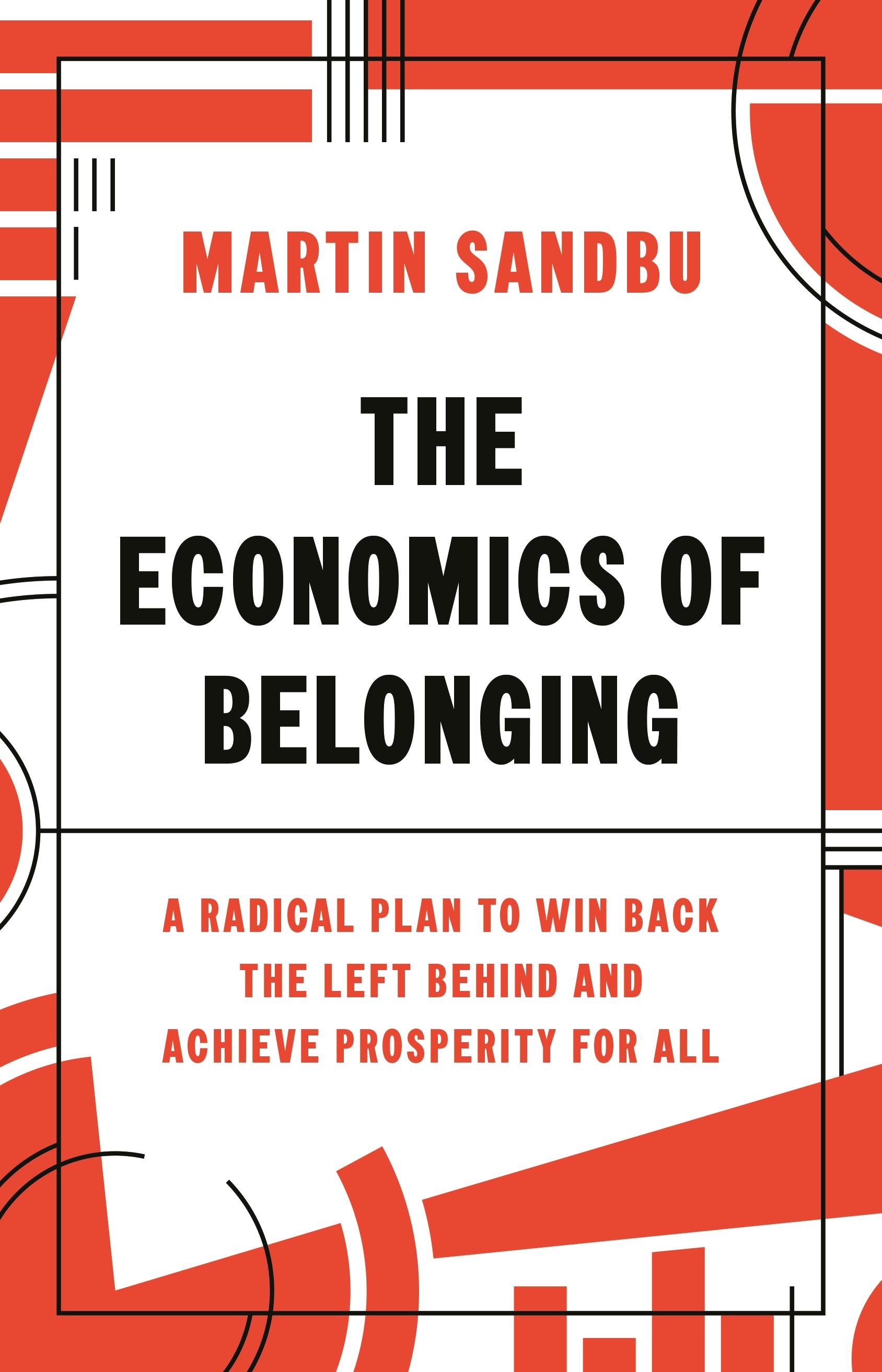
A radical new approach to economic policy that addresses the symptoms and causes of inequality in Western society today
Fueled by populism and the frustrations of the disenfranchised, the past few years have witnessed the widespread rejection of the economic and political order that Western countries built up after 1945. Political debates have turned into violent clashes between those who want to “take their country back” and those viewed as defending an elitist, broken, and unpatriotic social contract. There seems to be an increasing polarization of values. The Economics of Belonging argues that we should step back and take a fresh look at the root causes of our current challenges. In this original, engaging book, Martin Sandbu argues that economics remains at the heart of our widening inequality and it is only by focusing on the right policies that we can address it. He proposes a detailed, radical plan for creating a just economy where everyone can belong.
Sandbu demonstrates that the rising numbers of the left behind are not due to globalization gone too far. Rather, technological change and flawed but avoidable domestic policies have eroded the foundations of an economy in which everyone can participate—and would have done so even with a much less globalized economy. Sandbu contends that we have to double down on economic openness while pursuing dramatic reforms involving productivity, regional development, support for small- and medium-sized businesses, and increased worker representation. He discusses how a more active macroeconomic policy, education for all, universal basic income, and better taxation of capital could work together for society’s benefit.
Offering real answers, not invective, for facing our most serious political issues, The Economics of Belonging shows how a better economic system can work for all.
Before Memmo my notes were scattered across PDFs. Now a workspace pulls everything into one place — I see exactly what's still left to study.
Memmo's summaries are gold before exams. I don't have to re-read 800 pages two weeks before — just the important parts.
The AI chat has saved me the night before an exam more than once. I just keep asking until I get it — no waiting on a study group to reply.
The quizzes hit exactly what I need to know. Memmo tracks what I get stuck on — so I only practice what's worth it.
Flashcards with spaced repetition are magic. Memmo knows when I'm about to forget something and brings it back.
The AI podcasts are my favorite. I listen on my way to school and get a recap without sitting at a computer.

Handbok i kvalitativa metoder
281 kr

Hållbar utveckling: en introduktion för ingenjörer och andra problemlösare
334 kr

Brymans Samhällsvetenskapliga metoder
390 kr

Projektledning
491 kr

Den orättvisa hälsan: om socioekonomiska skillnader i hälsa och livslängd
326 kr

Vetenskapsteori för nybörjare
196 kr

Organizational Leadership
429 kr

På väg mot läraryrket
172 kr

Det sociala livet i skolan: Socialpsykologiska perspektiv
253 kr

Betygsättningens didaktik
151 kr

Personality
402 kr

Studying Leadership
404 kr

Managing Innovation
477 kr

Introduktion till samhällsvetenskaplig metod
347 kr

The Psychology of Sex and Gender
698 kr

Evidens och kunskap för socialt arbete
207 kr

Introduction to Leadership
605 kr