
Before Memmo my notes were scattered across PDFs. Now a workspace pulls everything into one place — I see exactly what's still left to study.
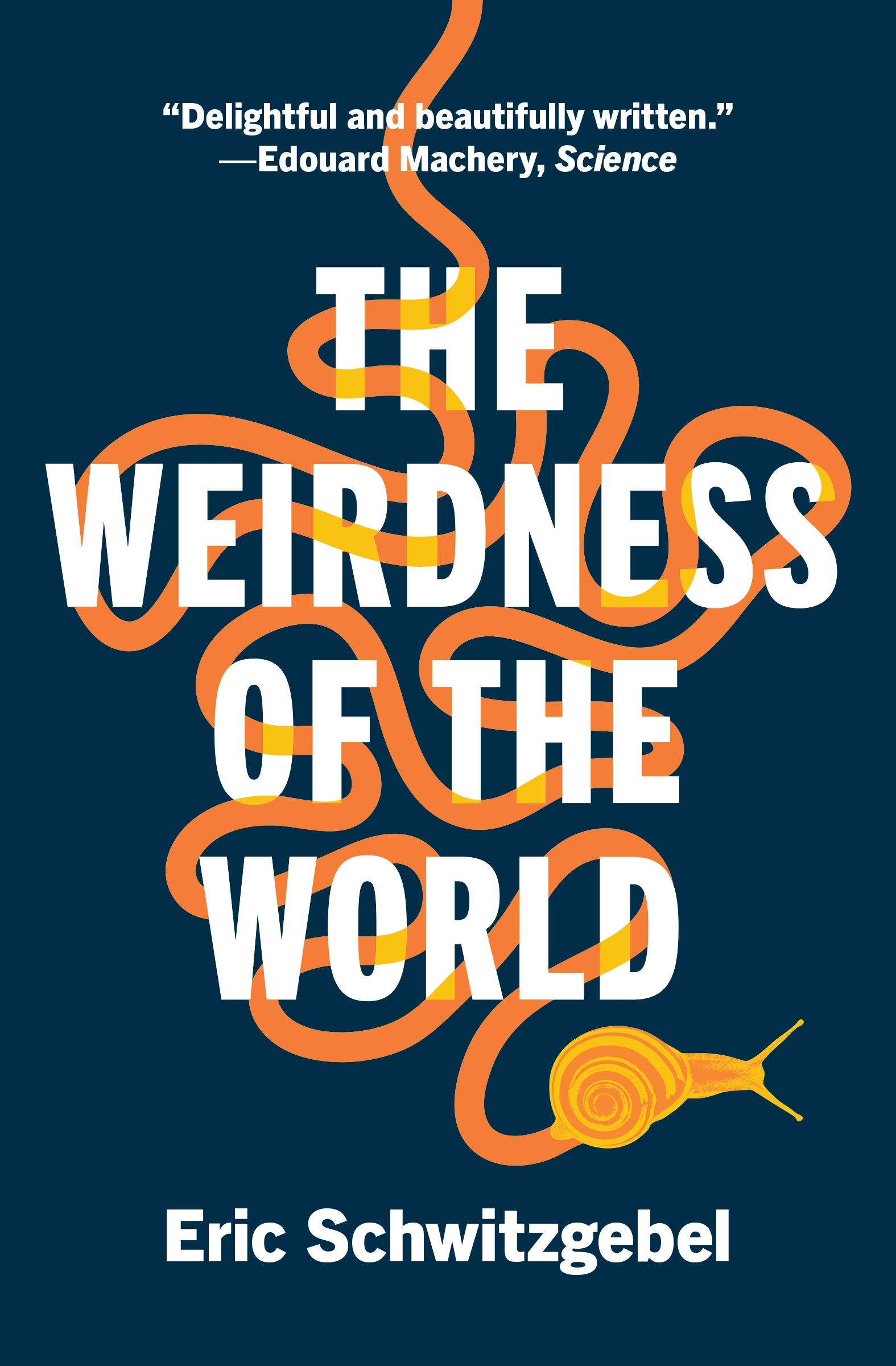
How all philosophical explanations of human consciousness and the fundamental structure of the cosmos are bizarre—and why that’s a good thing
Do we live inside a simulated reality or a pocket universe embedded in a larger structure about which we know virtually nothing? Is consciousness a purely physical matter, or might it require something extra, something nonphysical? According to the philosopher Eric Schwitzgebel, it’s hard to say. In The Weirdness of the World, Schwitzgebel argues that the answers to these and other fundamental questions about the world and our existence lie beyond our powers of comprehension. We can be certain only that the truth—whatever it is—is weird. Philosophy, he proposes, can aim to open—to reveal possibilities we had not previously appreciated—or to close, to narrow down to the one correct theory of the phenomenon in question. Schwitzgebel argues for a philosophy that opens.
According to Schwitzgebel’s “Universal Bizarreness” thesis, every possible theory of the relation of mind and cosmos defies common sense. According to his complementary “Universal Dubiety” thesis, no general theory of the relationship between mind and cosmos compels rational belief. Might the United States be a conscious organism—a conscious group mind with approximately the intelligence of a rabbit? Might virtually every action we perform cause virtually every possible type of future event, echoing down through the infinite future of an infinite universe? What, if anything, is it like to be a garden snail? Schwitzgebel makes a persuasive case for the thrill of considering the most bizarre philosophical possibilities.
Before Memmo my notes were scattered across PDFs. Now a workspace pulls everything into one place — I see exactly what's still left to study.
Memmo's summaries are gold before exams. I don't have to re-read 800 pages two weeks before — just the important parts.
The AI chat has saved me the night before an exam more than once. I just keep asking until I get it — no waiting on a study group to reply.
The quizzes hit exactly what I need to know. Memmo tracks what I get stuck on — so I only practice what's worth it.
Flashcards with spaced repetition are magic. Memmo knows when I'm about to forget something and brings it back.
The AI podcasts are my favorite. I listen on my way to school and get a recap without sitting at a computer.

Handbok i kvalitativa metoder
281 kr

Hållbar utveckling: en introduktion för ingenjörer och andra problemlösare
334 kr

Brymans Samhällsvetenskapliga metoder
390 kr

Projektledning
491 kr

Den orättvisa hälsan: om socioekonomiska skillnader i hälsa och livslängd
326 kr

Vetenskapsteori för nybörjare
196 kr

Organizational Leadership
429 kr

På väg mot läraryrket
172 kr

Det sociala livet i skolan: Socialpsykologiska perspektiv
253 kr

Betygsättningens didaktik
151 kr

Personality
402 kr

Studying Leadership
404 kr

Managing Innovation
477 kr

Introduktion till samhällsvetenskaplig metod
347 kr

The Psychology of Sex and Gender
698 kr

Evidens och kunskap för socialt arbete
207 kr

Introduction to Leadership
605 kr