
Before Memmo my notes were scattered across PDFs. Now a workspace pulls everything into one place — I see exactly what's still left to study.
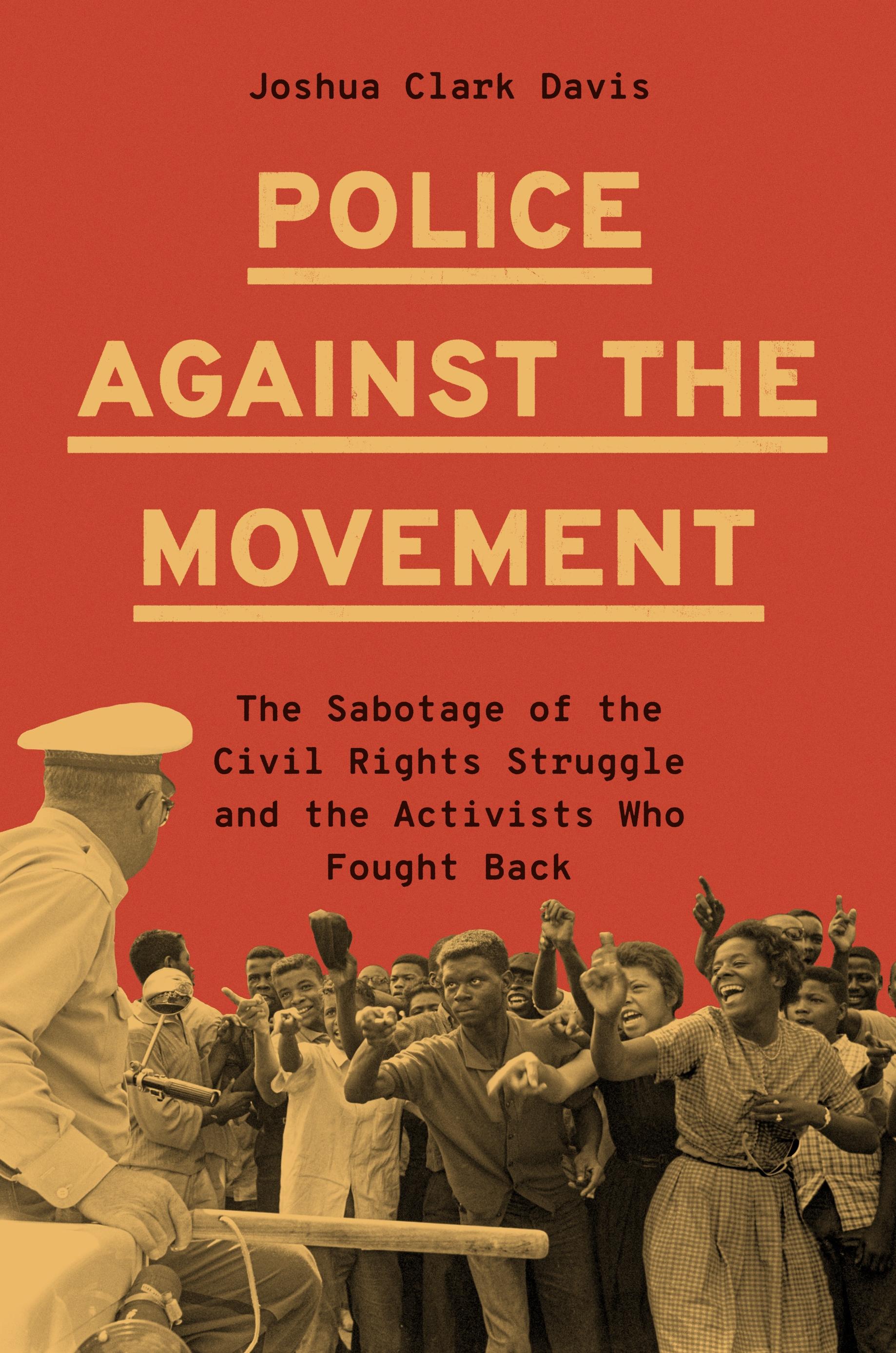
A bold retelling of the 1960s civil rights struggle through its work against police violence—and a prehistory of both the Black Lives Matter and Blue Lives Matter movements that emerged half a century later
Police Against the Movement shatters one of the most pernicious myths about the 1960s: that the civil rights movement endured police violence without fighting it. Instead, as Joshua Clark Davis shows, activists from the Congress of Racial Equality and the Student Nonviolent Coordinating Committee confronted police abuses head-on, staging sit-ins at precinct stations, picketing outside department headquarters, and blocking city streets to protest officer misdeeds. In return, organizers found themselves the targets of overwhelming political repression in the form of police surveillance, infiltration by undercover officers, and retaliatory prosecutions aimed at discrediting and derailing their movement.
The history of the civil rights era abounds with accounts of physical brutality by county sheriffs and tales of political intrigue and constitutional violations by FBI agents. Turning our attention to municipal officials in cities and towns across the US—North, South, East, and West—Davis reveals how local police bombarded civil rights organizers with an array of insidious weapons. More than just physical violence, these economic, legal, and reputational attacks were designed to project the illusion of color-blind law enforcement.
The civil rights struggle against police abuses is largely overlooked today, the victim of a willful campaign by local law enforcement to erase their record of repression. By placing activism against state violence at the center of the civil rights story, Police Against the Movement offers critical insight into the power of political resistance in the face of government attacks on protest.
Before Memmo my notes were scattered across PDFs. Now a workspace pulls everything into one place — I see exactly what's still left to study.
Memmo's summaries are gold before exams. I don't have to re-read 800 pages two weeks before — just the important parts.
The AI chat has saved me the night before an exam more than once. I just keep asking until I get it — no waiting on a study group to reply.
The quizzes hit exactly what I need to know. Memmo tracks what I get stuck on — so I only practice what's worth it.
Flashcards with spaced repetition are magic. Memmo knows when I'm about to forget something and brings it back.
The AI podcasts are my favorite. I listen on my way to school and get a recap without sitting at a computer.

Handbok i kvalitativa metoder
281 kr

Hållbar utveckling: en introduktion för ingenjörer och andra problemlösare
334 kr

Brymans Samhällsvetenskapliga metoder
390 kr

Projektledning
491 kr

Den orättvisa hälsan: om socioekonomiska skillnader i hälsa och livslängd
326 kr

Vetenskapsteori för nybörjare
196 kr

Organizational Leadership
429 kr

På väg mot läraryrket
172 kr

Det sociala livet i skolan: Socialpsykologiska perspektiv
253 kr

Betygsättningens didaktik
151 kr

Personality
402 kr

Studying Leadership
404 kr

Managing Innovation
477 kr

Introduktion till samhällsvetenskaplig metod
347 kr

The Psychology of Sex and Gender
698 kr

Evidens och kunskap för socialt arbete
207 kr

Introduction to Leadership
605 kr