
Before Memmo my notes were scattered across PDFs. Now a workspace pulls everything into one place — I see exactly what's still left to study.
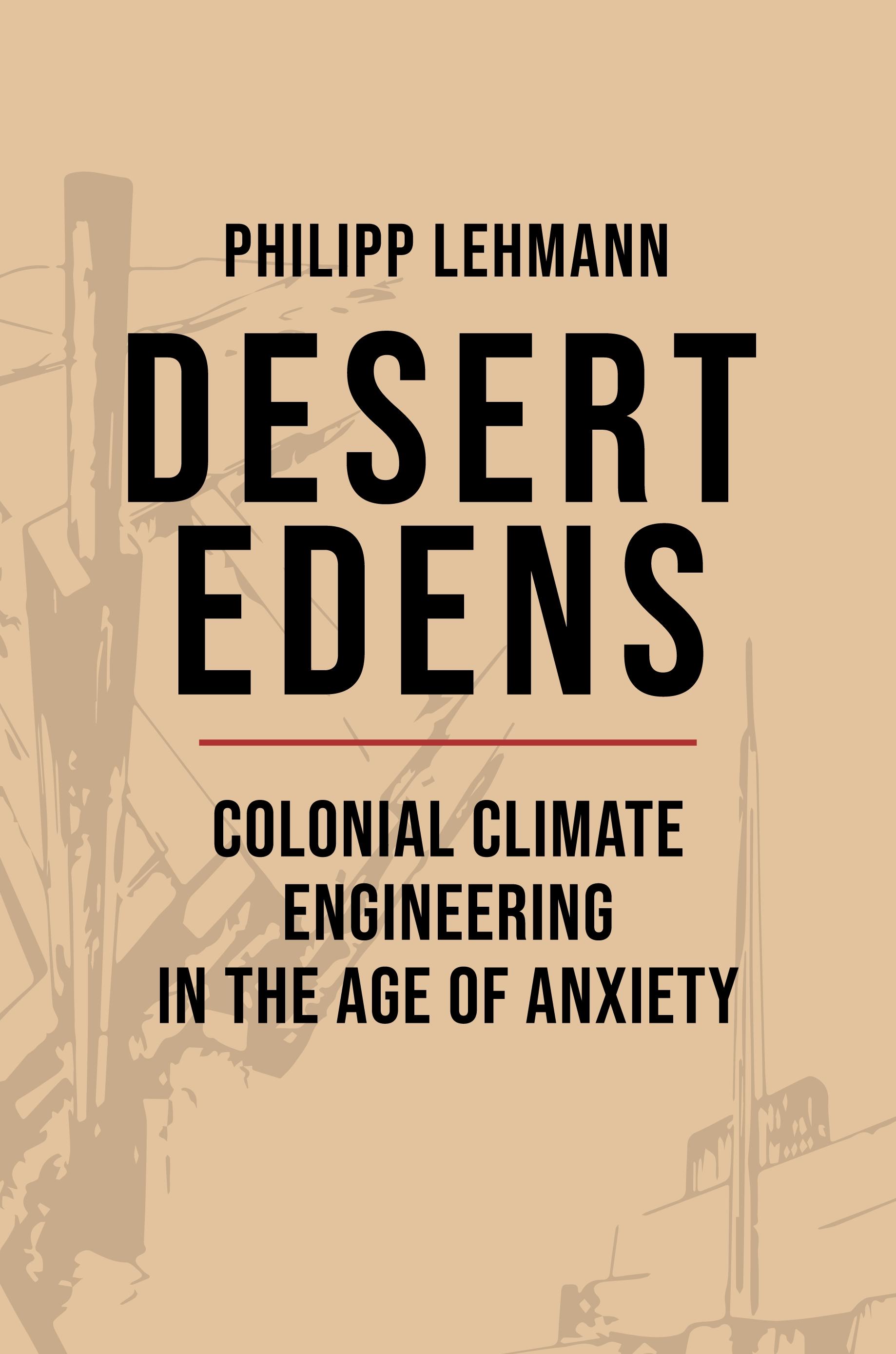
How technological advances and colonial fears inspired utopian geoengineering projects during the late nineteenth and early twentieth centuries
From the 1870s to the mid-twentieth century, European explorers, climatologists, colonial officials, and planners were avidly interested in large-scale projects that might actively alter the climate. Uncovering this history, Desert Edens looks at how arid environments and an increasing anxiety about climate in the colonial world shaped this upsurge in ideas about climate engineering. From notions about the transformation of deserts into forests to Nazi plans to influence the climates of war-torn areas, Philipp Lehmann puts the early climate change debate in its environmental, intellectual, and political context, and considers the ways this legacy reverberates in the present climate crisis.
Lehmann examines some of the most ambitious climate-engineering projects to emerge in the late nineteenth and early twentieth centuries. Confronted with the Sahara in the 1870s, the French developed concepts for a flooding project that would lead to the creation of a man-made Sahara Sea. In the 1920s, German architect Herman Sörgel proposed damming the Mediterranean in order to geoengineer an Afro-European continent called “Atlantropa,” which would fit the needs of European settlers. Nazi designs were formulated to counteract the desertification of Eastern Europe and Central Asia. Despite ideological and technical differences, these projects all incorporated and developed climate change theories and vocabulary. They also combined expressions of an extreme environmental pessimism with a powerful technological optimism that continue to shape the contemporary moment.
Focusing on the intellectual roots, intended effects, and impact of early measures to modify the climate, Desert Edens investigates how the technological imagination can be inspired by pressing fears about the environment and civilization.
Before Memmo my notes were scattered across PDFs. Now a workspace pulls everything into one place — I see exactly what's still left to study.
Memmo's summaries are gold before exams. I don't have to re-read 800 pages two weeks before — just the important parts.
The AI chat has saved me the night before an exam more than once. I just keep asking until I get it — no waiting on a study group to reply.
The quizzes hit exactly what I need to know. Memmo tracks what I get stuck on — so I only practice what's worth it.
Flashcards with spaced repetition are magic. Memmo knows when I'm about to forget something and brings it back.
The AI podcasts are my favorite. I listen on my way to school and get a recap without sitting at a computer.

Handbok i kvalitativa metoder
281 kr

Hållbar utveckling: en introduktion för ingenjörer och andra problemlösare
334 kr

Brymans Samhällsvetenskapliga metoder
390 kr

Projektledning
491 kr

Den orättvisa hälsan: om socioekonomiska skillnader i hälsa och livslängd
326 kr

Vetenskapsteori för nybörjare
196 kr

Organizational Leadership
429 kr

På väg mot läraryrket
172 kr

Det sociala livet i skolan: Socialpsykologiska perspektiv
253 kr

Betygsättningens didaktik
151 kr

Personality
402 kr

Studying Leadership
404 kr

Managing Innovation
477 kr

Introduktion till samhällsvetenskaplig metod
347 kr

The Psychology of Sex and Gender
698 kr

Evidens och kunskap för socialt arbete
207 kr

Introduction to Leadership
605 kr