
Before Memmo my notes were scattered across PDFs. Now a workspace pulls everything into one place — I see exactly what's still left to study.
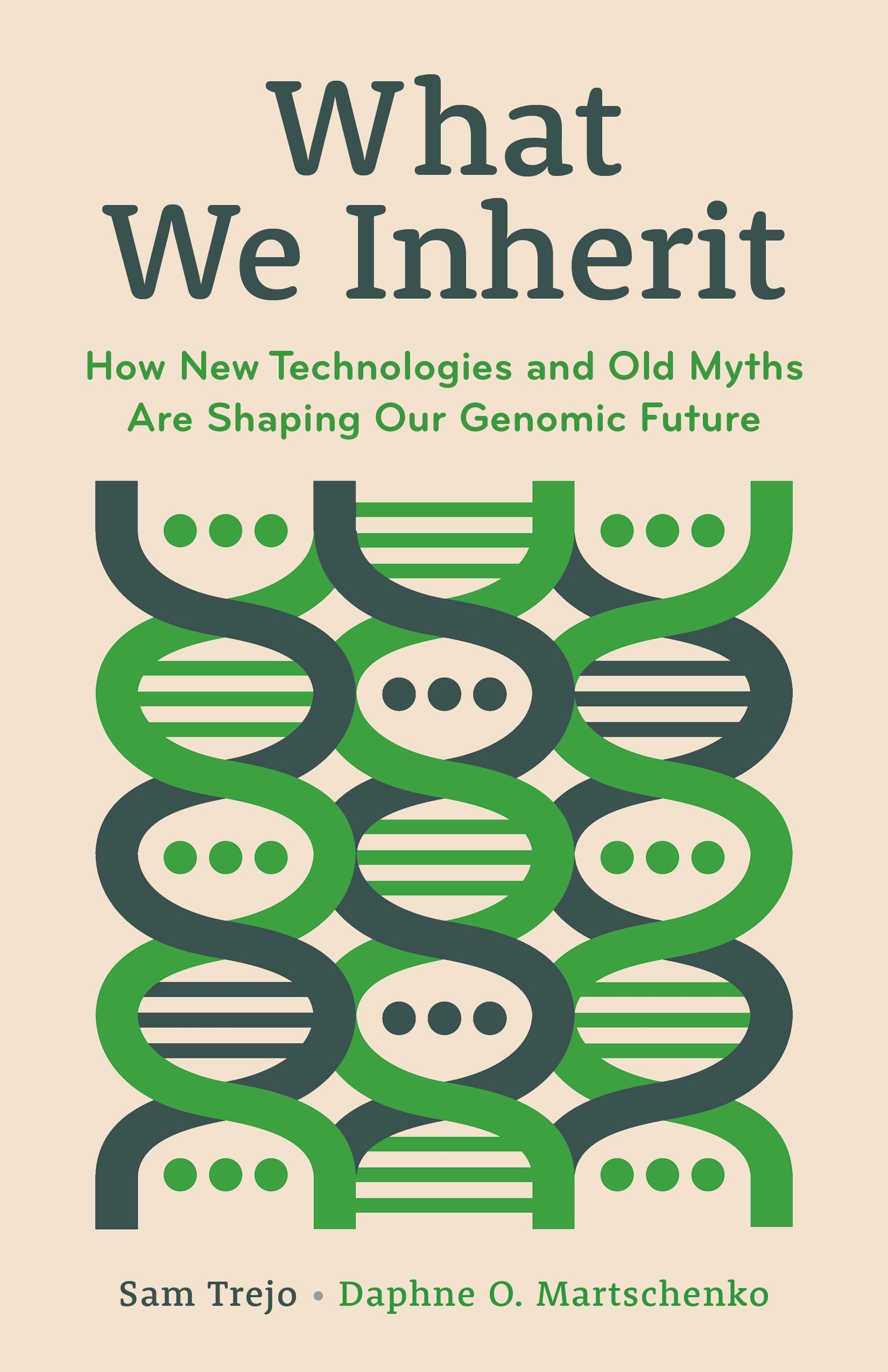
Debating the use of genomic tools and their societal impact
Over the past decade, the field of human genetics has produced an extraordinary range of discoveries—including the refinement of polygenic scores, which use a person's DNA to estimate their likelihood of developing a trait or disease. But are these new technologies ready to leave the research lab and be deployed in schools, fertility clinics, and the wider world? In What We Inherit, Sam Trejo and Daphne Martschenko offer different perspectives on the societal impact of the rapidly unfolding DNA revolution. Trejo, a sociologist and expert on the complex ways people’s genes influence their life’s trajectory, believes that new genomic tools—if used thoughtfully—can improve society; Martschenko, a bioethicist who specializes in the thorny social issues raised by biomedical advances, is more cautious. They debate both the risks and the opportunities posed by such new technologies as at-home genetic tests and polygenic embryo selection—all while engaging in a wide-ranging dialogue on ideology, biology, and social inequality.
While grappling with these new technologies, Trejo and Martschenko remind us that we inherited from our ancestors not only DNA but also wrongheaded ideas about genes. Together, they caution against two particularly harmful genetic myths: that genes determine an individual’s future, and that race and genetics are inherently connected. A polygenic score, for example, is not a definitive marker for disease. And race is a sociopolitical construct, not a biological identity. Trejo and Martschenko argue that, to avoid exacerbating social inequality, we need to begin regulating genomic tools sooner rather than later.
Before Memmo my notes were scattered across PDFs. Now a workspace pulls everything into one place — I see exactly what's still left to study.
Memmo's summaries are gold before exams. I don't have to re-read 800 pages two weeks before — just the important parts.
The AI chat has saved me the night before an exam more than once. I just keep asking until I get it — no waiting on a study group to reply.
The quizzes hit exactly what I need to know. Memmo tracks what I get stuck on — so I only practice what's worth it.
Flashcards with spaced repetition are magic. Memmo knows when I'm about to forget something and brings it back.
The AI podcasts are my favorite. I listen on my way to school and get a recap without sitting at a computer.

Handbok i kvalitativa metoder
281 kr

Hållbar utveckling: en introduktion för ingenjörer och andra problemlösare
334 kr

Brymans Samhällsvetenskapliga metoder
390 kr

Projektledning
491 kr

Den orättvisa hälsan: om socioekonomiska skillnader i hälsa och livslängd
326 kr

Organizational Leadership
429 kr

Vetenskapsteori för nybörjare
196 kr

På väg mot läraryrket
172 kr

Det sociala livet i skolan: Socialpsykologiska perspektiv
253 kr

Betygsättningens didaktik
151 kr

Personality
402 kr

Studying Leadership
404 kr

Managing Innovation
477 kr

Introduktion till samhällsvetenskaplig metod
347 kr

The Psychology of Sex and Gender
698 kr

Evidens och kunskap för socialt arbete
207 kr

Introduction to Leadership
605 kr