
Before Memmo my notes were scattered across PDFs. Now a workspace pulls everything into one place — I see exactly what's still left to study.
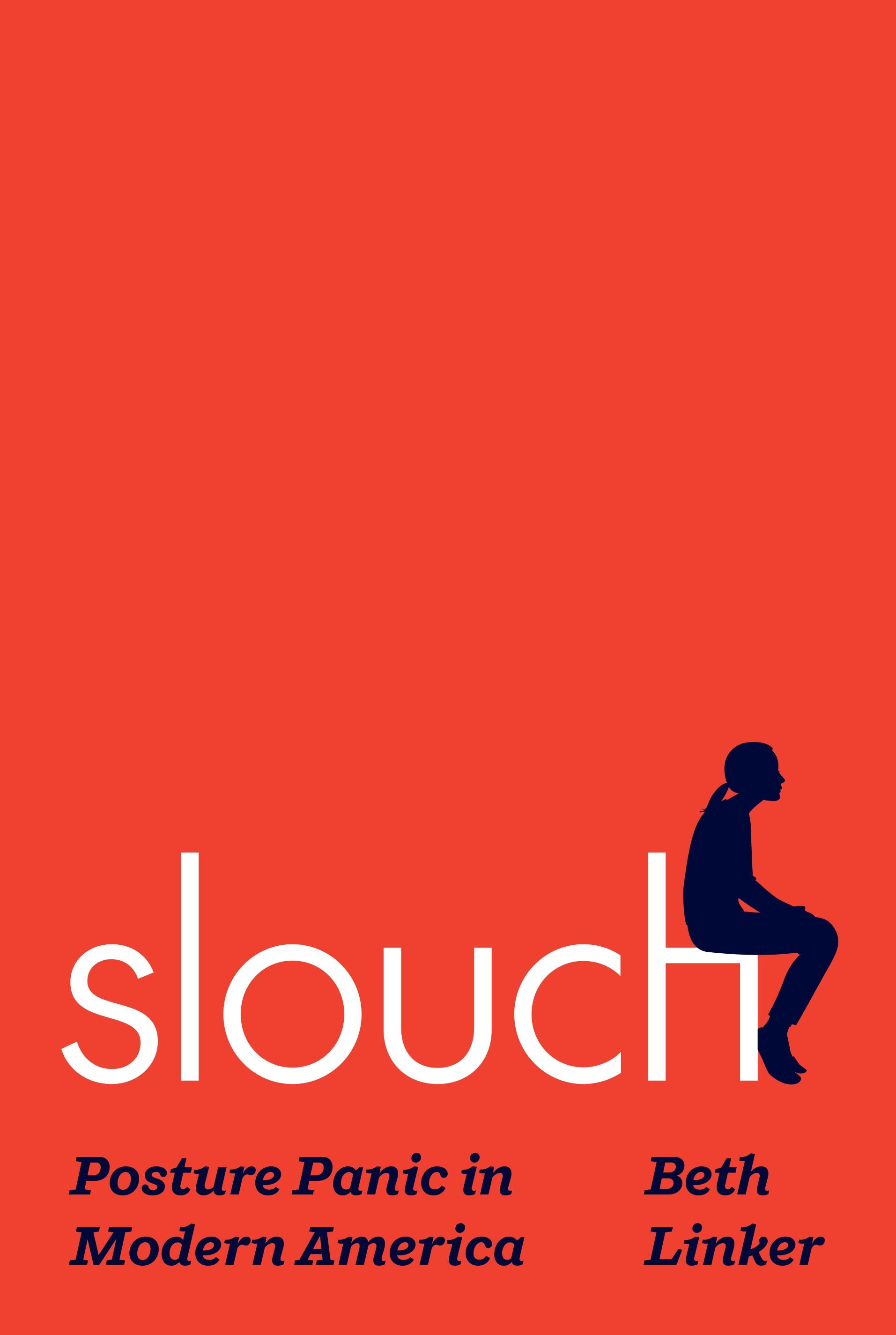
The strange and surprising history of the so-called epidemic of bad posture in modern America—from eugenics and posture pageants to today’s promoters of “paleo posture”
In 1995, a scandal erupted when the New York Times revealed that the Smithsonian possessed a century’s worth of nude “posture” photos of college students. In this riveting history, Beth Linker tells why these photos were only a small part of the incredible story of twentieth-century America’s largely forgotten posture panic—a decades-long episode in which it was widely accepted as scientific fact that Americans were suffering from an epidemic of bad posture, with potentially catastrophic health consequences. Tracing the rise and fall of this socially manufactured epidemic, Slouch also tells how this period continues to feed today’s widespread anxieties about posture.
In the early twentieth century, the eugenics movement and fears of disability gave slouching a new scientific relevance. Bad posture came to be seen as an individual health threat, an affront to conventional race hierarchies, and a sign of American decline. What followed were massive efforts to measure, track, and prevent slouching and, later, back pain—campaigns that reached schools, workplaces, and beyond, from the creation of the American Posture League to posture pageants. The popularity of posture-enhancing products, such as girdles and lumbar supports, exploded, as did new fitness programs focused on postural muscles, such as Pilates and modern yoga. By 1970, student protests largely brought an end to school posture exams and photos, but many efforts to fight bad posture continued, despite a lack of scientific evidence.
A compelling history that mixes seriousness and humor, Slouch is a unique and provocative account of the unexpected origins of our largely unquestioned ideas about bad posture.
Before Memmo my notes were scattered across PDFs. Now a workspace pulls everything into one place — I see exactly what's still left to study.
Memmo's summaries are gold before exams. I don't have to re-read 800 pages two weeks before — just the important parts.
The AI chat has saved me the night before an exam more than once. I just keep asking until I get it — no waiting on a study group to reply.
The quizzes hit exactly what I need to know. Memmo tracks what I get stuck on — so I only practice what's worth it.
Flashcards with spaced repetition are magic. Memmo knows when I'm about to forget something and brings it back.
The AI podcasts are my favorite. I listen on my way to school and get a recap without sitting at a computer.

Handbok i kvalitativa metoder
281 kr

Hållbar utveckling: en introduktion för ingenjörer och andra problemlösare
334 kr

Brymans Samhällsvetenskapliga metoder
390 kr

Projektledning
491 kr

Den orättvisa hälsan: om socioekonomiska skillnader i hälsa och livslängd
326 kr

Vetenskapsteori för nybörjare
196 kr

Organizational Leadership
429 kr

På väg mot läraryrket
172 kr

Det sociala livet i skolan: Socialpsykologiska perspektiv
253 kr

Betygsättningens didaktik
151 kr

Personality
402 kr

Studying Leadership
404 kr

Managing Innovation
477 kr

Introduktion till samhällsvetenskaplig metod
347 kr

The Psychology of Sex and Gender
698 kr

Evidens och kunskap för socialt arbete
207 kr

Introduction to Leadership
605 kr