
Before Memmo my notes were scattered across PDFs. Now a workspace pulls everything into one place — I see exactly what's still left to study.
Why hope matters as a metric of economic and social well-being
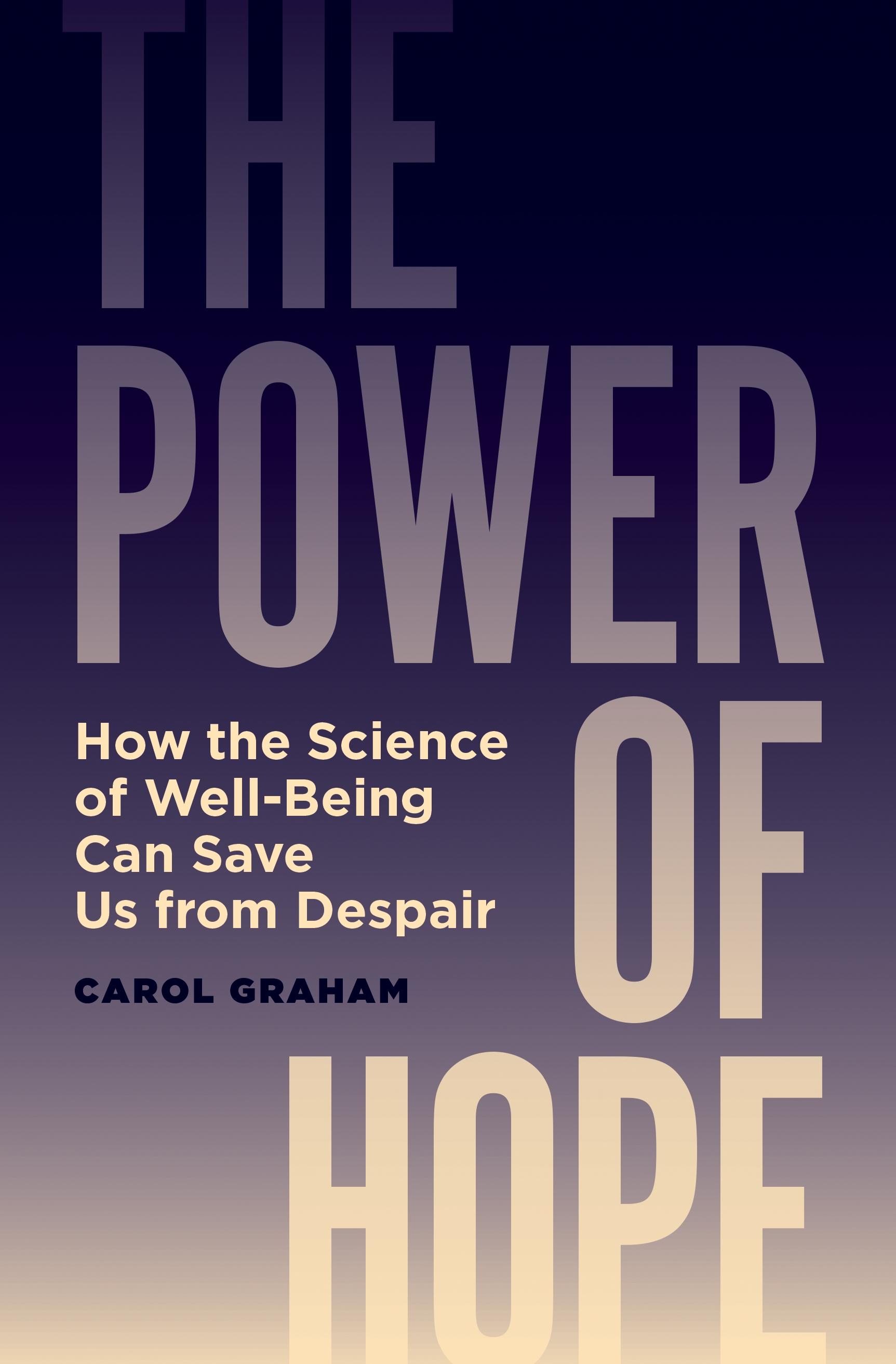
In a society marked by extreme inequality of income and opportunity, why should economists care about how people feel? The truth is that feelings of well-being are critical metrics that predict future life outcomes. In this timely and innovative account, economist Carol Graham argues for the importance of hope—little studied in economics at present—as an independent dimension of well-being. Given America’s current mental health crisis, thrown into stark relief by COVID, hope may be the most important measure of well-being, and researchers are tracking trends in hope as a key factor in understanding the rising numbers of “deaths of despair” and premature mortality.
Graham, an authority on the study of well-being, points to empirical evidence demonstrating that hope can improve people’s life outcomes and that despair can destroy them. These findings, she argues, merit deeper exploration. Graham discusses the potential of novel well-being metrics as tracking indicators of despair, reports on new surveys of hope among low-income adolescents, and considers the implications of the results for the futures of these young adults.
Graham asks how and why the wealthiest country in the world has such despair. What are we missing? She argues that public policy problems—from joblessness and labor force dropout to the lack of affordable health care and inadequate public education—can’t be solved without hope. Drawing on research in well-being and other disciplines, Graham describes strategies for restoring hope in populations where it has been lost. The need to address despair, and to restore hope, is critical to America’s future.
Before Memmo my notes were scattered across PDFs. Now a workspace pulls everything into one place — I see exactly what's still left to study.
Memmo's summaries are gold before exams. I don't have to re-read 800 pages two weeks before — just the important parts.
The AI chat has saved me the night before an exam more than once. I just keep asking until I get it — no waiting on a study group to reply.
The quizzes hit exactly what I need to know. Memmo tracks what I get stuck on — so I only practice what's worth it.
Flashcards with spaced repetition are magic. Memmo knows when I'm about to forget something and brings it back.
The AI podcasts are my favorite. I listen on my way to school and get a recap without sitting at a computer.

Handbok i kvalitativa metoder
281 kr

Hållbar utveckling: en introduktion för ingenjörer och andra problemlösare
334 kr

Brymans Samhällsvetenskapliga metoder
390 kr

Projektledning
491 kr

Den orättvisa hälsan: om socioekonomiska skillnader i hälsa och livslängd
326 kr

Vetenskapsteori för nybörjare
196 kr

Organizational Leadership
429 kr

På väg mot läraryrket
172 kr

Det sociala livet i skolan: Socialpsykologiska perspektiv
253 kr

Betygsättningens didaktik
151 kr

Personality
402 kr

Studying Leadership
404 kr

Managing Innovation
477 kr

Introduktion till samhällsvetenskaplig metod
347 kr

The Psychology of Sex and Gender
698 kr

Evidens och kunskap för socialt arbete
207 kr

Introduction to Leadership
605 kr