
Before Memmo my notes were scattered across PDFs. Now a workspace pulls everything into one place — I see exactly what's still left to study.
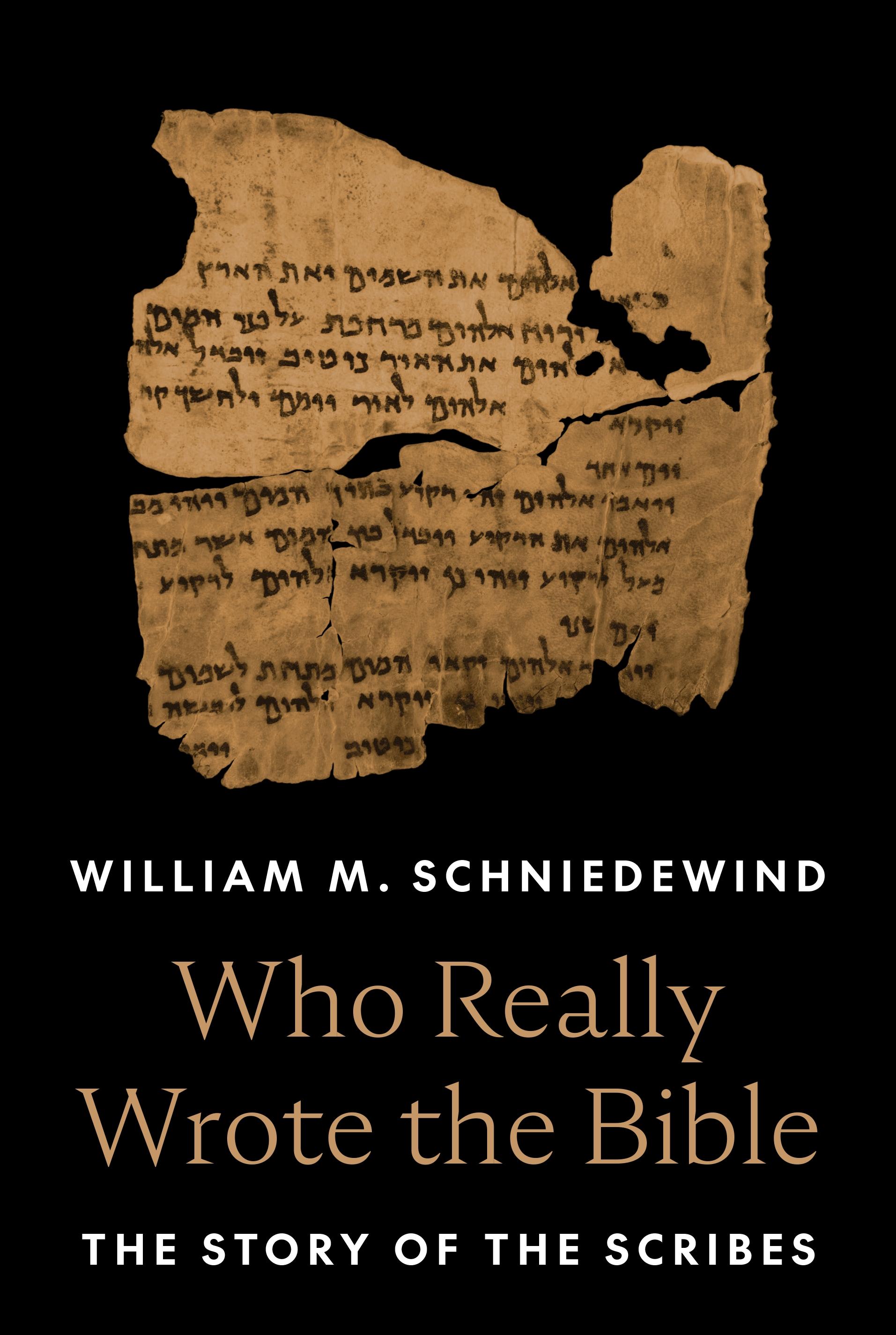
A groundbreaking new account of the writing of the Hebrew Bible
Who wrote the Bible? Its books have no bylines. Tradition long identified Moses as the author of the Pentateuch, with Ezra as editor. Ancient readers also suggested that David wrote the psalms and Solomon wrote Proverbs and Qohelet. Although the Hebrew Bible rarely speaks of its authors, people have been fascinated by the question of its authorship since ancient times. In Who Really Wrote the Bible, William Schniedewind offers a bold new answer: the Bible was not written by a single author, or by a series of single authors, but by communities of scribes. The Bible does not name its authors because authorship itself was an idea enshrined in a later era by the ancient Greeks. In the pre-Hellenistic world of ancient Near Eastern literature, books were produced, preserved, and passed on by scribal communities.
Schniedewind draws on ancient inscriptions, archaeology, and anthropology, as well as a close reading of the biblical text itself, to trace the communal origin of biblical literature. Scribes were educated through apprenticeship rather than in schools. The prophet Isaiah, for example, has his “disciples”; Elisha has his “apprentice.” This mode of learning emphasized the need to pass along the traditions of a community of practice rather than to individuate and invent. Schniedewind shows that it is anachronistic to impose our ideas about individual authorship and authors on the writing of the Bible. Ancient Israelites didn’t live in books, he writes, but along dusty highways and byways. Who Really Wrote the Bible describes how scribes and their apprentices actually worked in ancient Jerusalem and Judah.
Before Memmo my notes were scattered across PDFs. Now a workspace pulls everything into one place — I see exactly what's still left to study.
Memmo's summaries are gold before exams. I don't have to re-read 800 pages two weeks before — just the important parts.
The AI chat has saved me the night before an exam more than once. I just keep asking until I get it — no waiting on a study group to reply.
The quizzes hit exactly what I need to know. Memmo tracks what I get stuck on — so I only practice what's worth it.
Flashcards with spaced repetition are magic. Memmo knows when I'm about to forget something and brings it back.
The AI podcasts are my favorite. I listen on my way to school and get a recap without sitting at a computer.

Handbok i kvalitativa metoder
281 kr

Hållbar utveckling: en introduktion för ingenjörer och andra problemlösare
334 kr

Brymans Samhällsvetenskapliga metoder
390 kr

Projektledning
491 kr

Den orättvisa hälsan: om socioekonomiska skillnader i hälsa och livslängd
326 kr

Organizational Leadership
429 kr

Vetenskapsteori för nybörjare
196 kr

På väg mot läraryrket
172 kr

Det sociala livet i skolan: Socialpsykologiska perspektiv
253 kr

Betygsättningens didaktik
151 kr

Personality
402 kr

Studying Leadership
404 kr

Managing Innovation
477 kr

Introduktion till samhällsvetenskaplig metod
347 kr

The Psychology of Sex and Gender
698 kr

Evidens och kunskap för socialt arbete
207 kr

Introduction to Leadership
605 kr