
Before Memmo my notes were scattered across PDFs. Now a workspace pulls everything into one place — I see exactly what's still left to study.
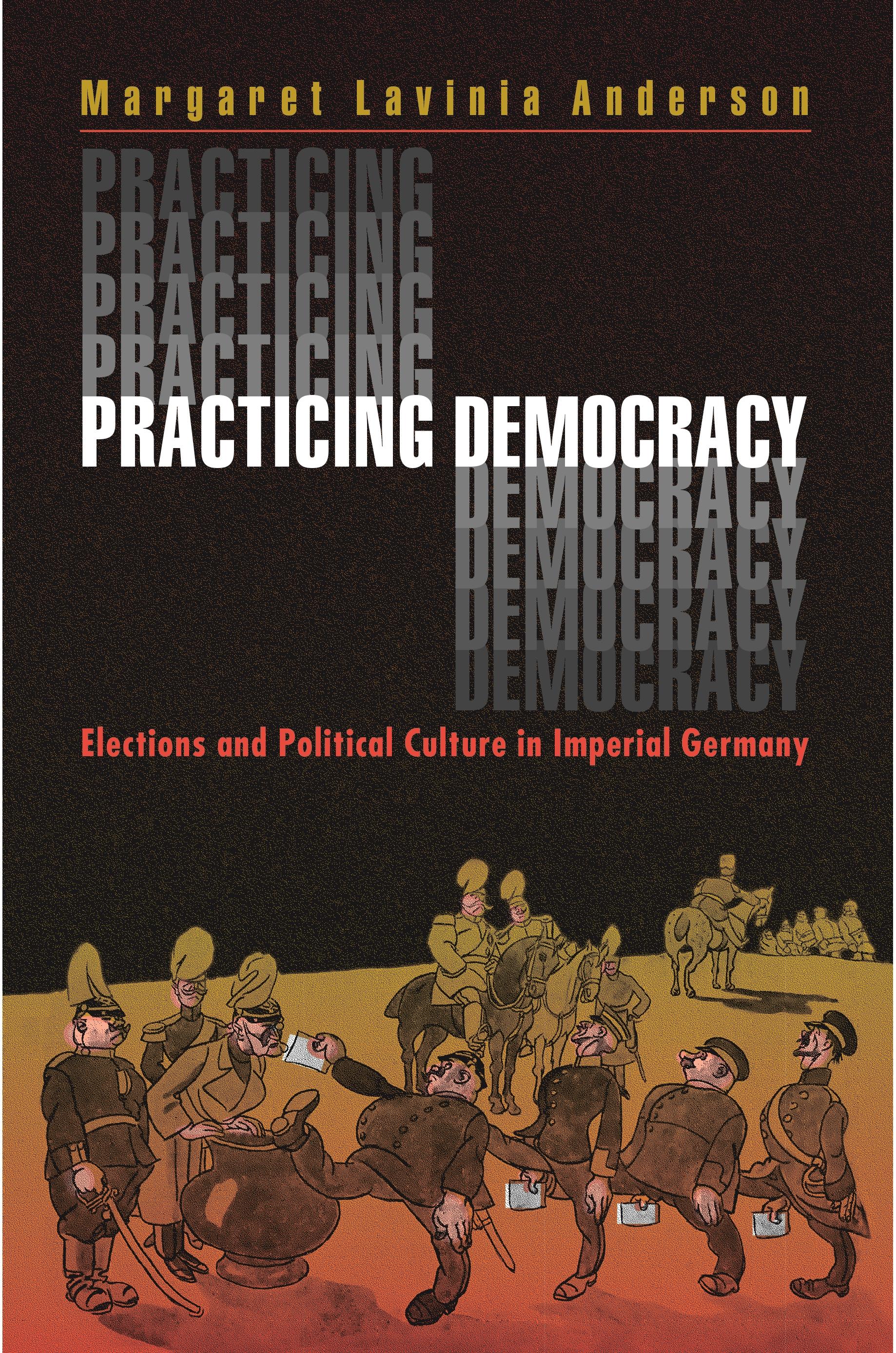
What happens when manhood suffrage, a radically egalitarian institution, gets introduced into a deeply hierarchical society? In her sweeping history of Imperial Germany's electoral culture, Anderson shows how the sudden opportunity to "practice" democracy in 1867 opened up a free space in the land of Kaisers, generals, and Junkers. Originally designed to make voters susceptible to manipulation by the authorities, the suffrage's unintended consequence was to enmesh its participants in ever more democratic procedures and practices. The result was the growth of an increasingly democratic culture in the decades before 1914.
Explicit comparisons with Britain, France, and America give us a vivid picture of the coercive pressures--from employers, clergy, and communities--that German voters faced, but also of the legalistic culture that shielded them from the fraud, bribery, and violence so characteristic of other early "franchise regimes." We emerge with a new sense that Germans were in no way less modern in the practice of democratic politics. Anderson, in fact, argues convincingly against the widely accepted notion that it was pre-war Germany's lack of democratic values and experience that ultimately led to Weimar's failure and the Third Reich.
Practicing Democracy is a surprising reinterpretation of nineteenth- and early twentieth-century Germany and will engage historians concerned with the question of Germany's "special path" to modernity; sociologists interested in obedience, popular mobilization, and civil society; political scientists debating the relative role of institutions versus culture in the transition to democracy. By showing how political activity shaped and was shaped by the experiences of ordinary men and women, it conveys the excitement of democratic politics.
Before Memmo my notes were scattered across PDFs. Now a workspace pulls everything into one place — I see exactly what's still left to study.
Memmo's summaries are gold before exams. I don't have to re-read 800 pages two weeks before — just the important parts.
The AI chat has saved me the night before an exam more than once. I just keep asking until I get it — no waiting on a study group to reply.
The quizzes hit exactly what I need to know. Memmo tracks what I get stuck on — so I only practice what's worth it.
Flashcards with spaced repetition are magic. Memmo knows when I'm about to forget something and brings it back.
The AI podcasts are my favorite. I listen on my way to school and get a recap without sitting at a computer.

Handbok i kvalitativa metoder
281 kr

Hållbar utveckling: en introduktion för ingenjörer och andra problemlösare
334 kr

Brymans Samhällsvetenskapliga metoder
390 kr

Projektledning
491 kr

Den orättvisa hälsan: om socioekonomiska skillnader i hälsa och livslängd
326 kr

Organizational Leadership
429 kr

Vetenskapsteori för nybörjare
196 kr

På väg mot läraryrket
172 kr

Det sociala livet i skolan: Socialpsykologiska perspektiv
253 kr

Betygsättningens didaktik
151 kr

Personality
402 kr

Studying Leadership
404 kr

Managing Innovation
477 kr

Introduktion till samhällsvetenskaplig metod
347 kr

The Psychology of Sex and Gender
698 kr

Evidens och kunskap för socialt arbete
207 kr

Introduction to Leadership
605 kr