
Before Memmo my notes were scattered across PDFs. Now a workspace pulls everything into one place — I see exactly what's still left to study.
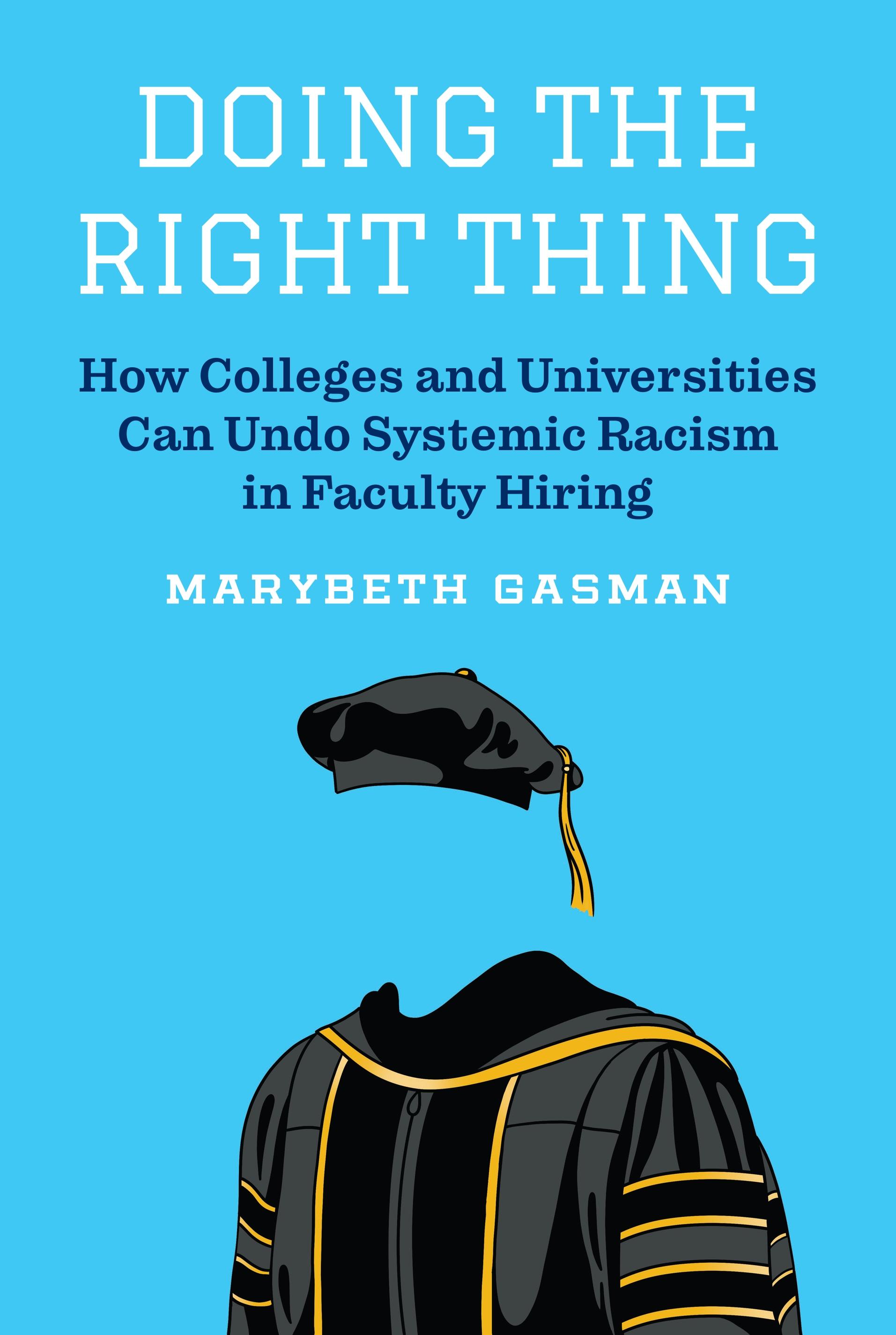
An honest confrontation of systemic racism in faculty hiring—and what to do about it
While colleges and universities have been lauded for increasing student diversity, these same institutions have failed to achieve any comparable diversity among their faculty. In 2017, of the nation’s full-time, tenure-track and tenured faculty, only 3 percent each were Black men, Black women, Hispanic men, and Hispanic women. Only 6 percent were Asian/Pacific Islander men, 5 percent were Asian/Pacific Islander women, and 1 percent were American Indian/Alaska Native. Why are the numbers so abysmal? In Doing the Right Thing, Marybeth Gasman takes a hard, insightful look at the issues surrounding the recruitment and hiring of faculty of color. Relying on national data and interviews with provosts, deans, and department chairs from sixty major universities, Gasman documents the institutional forces stymieing faculty diversification, and she makes the case for how such deficiencies can and should be rectified.
Even as institutions publicly champion inclusive excellence and the number of doctoral students of color increases, Gasman reveals the entrenched constraints contributing to the faculty status quo. Impediments to progress include the alleged trade-off between quality and diversity, the power of pedigree, the rigidity of academic pipelines, failures of administrative leadership, lack of accountability among administration and faculty, and the opacity and arbitrariness of the recruitment and hiring process. Gasman contends that leaders must acknowledge institutional failures of inclusion, pervasive systemic racism, and biases that restrict people of color from pursuing faculty careers.
Recognizing that individuals from all backgrounds are essential to the creation and teaching of knowledge, Doing the Right Thing puts forth a concrete call for colleges and universities to take action and do better.
Before Memmo my notes were scattered across PDFs. Now a workspace pulls everything into one place — I see exactly what's still left to study.
Memmo's summaries are gold before exams. I don't have to re-read 800 pages two weeks before — just the important parts.
The AI chat has saved me the night before an exam more than once. I just keep asking until I get it — no waiting on a study group to reply.
The quizzes hit exactly what I need to know. Memmo tracks what I get stuck on — so I only practice what's worth it.
Flashcards with spaced repetition are magic. Memmo knows when I'm about to forget something and brings it back.
The AI podcasts are my favorite. I listen on my way to school and get a recap without sitting at a computer.

Handbok i kvalitativa metoder
281 kr

Hållbar utveckling: en introduktion för ingenjörer och andra problemlösare
334 kr

Brymans Samhällsvetenskapliga metoder
390 kr

Projektledning
491 kr

Den orättvisa hälsan: om socioekonomiska skillnader i hälsa och livslängd
326 kr

Vetenskapsteori för nybörjare
196 kr

Organizational Leadership
429 kr

På väg mot läraryrket
172 kr

Det sociala livet i skolan: Socialpsykologiska perspektiv
253 kr

Betygsättningens didaktik
151 kr

Personality
402 kr

Studying Leadership
404 kr

Managing Innovation
477 kr

Introduktion till samhällsvetenskaplig metod
347 kr

The Psychology of Sex and Gender
698 kr

Evidens och kunskap för socialt arbete
207 kr

Introduction to Leadership
605 kr