
Before Memmo my notes were scattered across PDFs. Now a workspace pulls everything into one place — I see exactly what's still left to study.
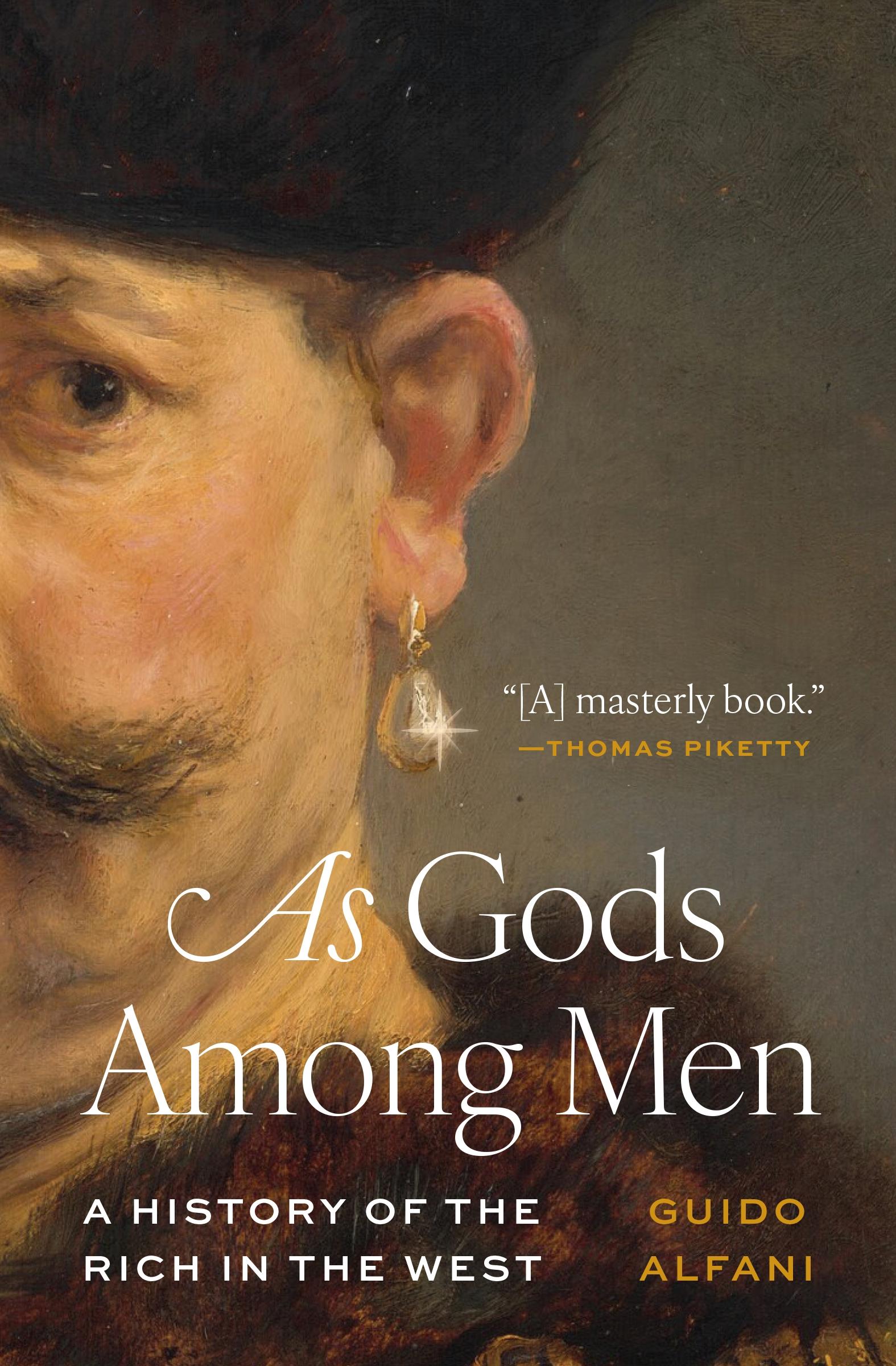
"In this masterly book, [Alfani] offers an insightful long-run perspective and fascinating lessons for the future. A must-read!"—Thomas Piketty, author of Capital in the Twenty-First Century
A sweeping narrative that shows how the rich historically justified themselves by helping their societies in times of crisis, why they no longer do, and what that may mean for social stability
The rich have always fascinated, sometimes in problematic ways. Medieval thinkers feared that the super-rich would act 'as gods among men’; much more recently Thomas Piketty made wealth central to discussions of inequality. In this book, Guido Alfani offers a history of the rich and super-rich in the West, examining who they were, how they accumulated their wealth and what role they played in society. Covering the last thousand years, with frequent incursions into antiquity, and integrating recent research on economic inequality, Alfani finds—despite the different paths to wealth in different eras—fundamental continuities in the behaviour of the rich and public attitudes towards wealth across Western history. His account offers a novel perspective on current debates about wealth and income disparity.
Alfani argues that the position of the rich and super-rich in Western society has always been intrinsically fragile; their very presence has inspired social unease. In the Middle Ages, an excessive accumulation of wealth was considered sinful; the rich were expected not to appear to be wealthy. Eventually, the rich were deemed useful when they used their wealth to help their communities in times of crisis. Yet in the twenty-first century, Alfani points out, the rich and the super-rich—their wealth largely preserved through the Great Recession and COVID-19—have been exceptionally reluctant to contribute to the common good in times of crisis, rejecting even such stopgap measures as temporary tax increases. History suggests that this is a troubling development—for the rich, and for everyone else.
Before Memmo my notes were scattered across PDFs. Now a workspace pulls everything into one place — I see exactly what's still left to study.
Memmo's summaries are gold before exams. I don't have to re-read 800 pages two weeks before — just the important parts.
The AI chat has saved me the night before an exam more than once. I just keep asking until I get it — no waiting on a study group to reply.
The quizzes hit exactly what I need to know. Memmo tracks what I get stuck on — so I only practice what's worth it.
Flashcards with spaced repetition are magic. Memmo knows when I'm about to forget something and brings it back.
The AI podcasts are my favorite. I listen on my way to school and get a recap without sitting at a computer.

Handbok i kvalitativa metoder
281 kr

Hållbar utveckling: en introduktion för ingenjörer och andra problemlösare
334 kr

Brymans Samhällsvetenskapliga metoder
390 kr

Projektledning
491 kr

Den orättvisa hälsan: om socioekonomiska skillnader i hälsa och livslängd
326 kr

Vetenskapsteori för nybörjare
196 kr

Organizational Leadership
429 kr

På väg mot läraryrket
172 kr

Det sociala livet i skolan: Socialpsykologiska perspektiv
253 kr

Betygsättningens didaktik
151 kr

Personality
402 kr

Studying Leadership
404 kr

Managing Innovation
477 kr

Introduktion till samhällsvetenskaplig metod
347 kr

The Psychology of Sex and Gender
698 kr

Evidens och kunskap för socialt arbete
207 kr

Introduction to Leadership
605 kr