
Before Memmo my notes were scattered across PDFs. Now a workspace pulls everything into one place — I see exactly what's still left to study.
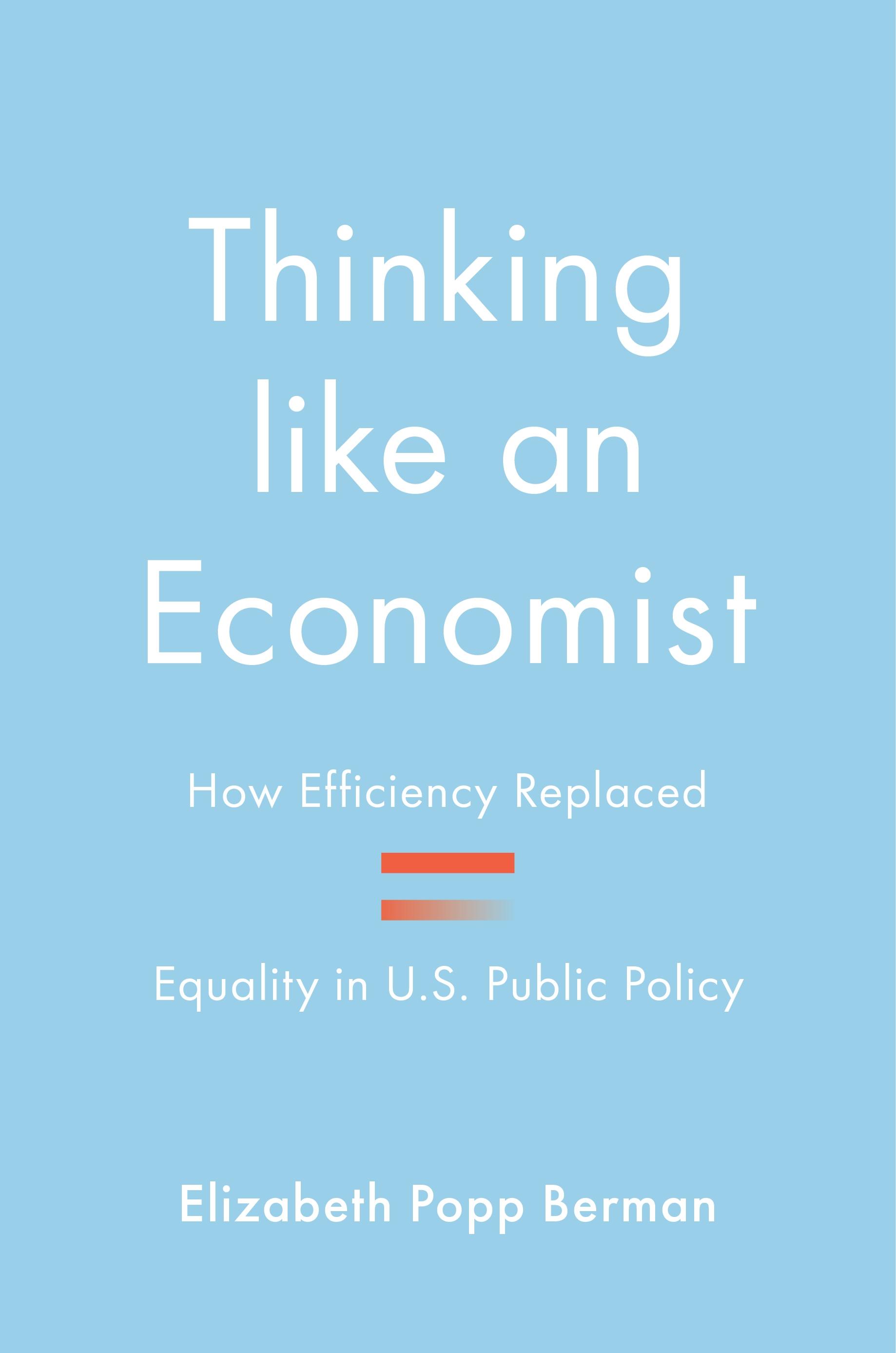
The story of how economic reasoning came to dominate Washington between the 1960s and 1980s—and why it continues to constrain progressive ambitions today
For decades, Democratic politicians have frustrated progressives by tinkering around the margins of policy while shying away from truly ambitious change. What happened to bold political vision on the left, and what shrunk the very horizons of possibility? In Thinking like an Economist, Elizabeth Popp Berman tells the story of how a distinctive way of thinking—an “economic style of reasoning”—became dominant in Washington between the 1960s and the 1980s and how it continues to dramatically narrow debates over public policy today.
Introduced by liberal technocrats who hoped to improve government, this way of thinking was grounded in economics but also transformed law and policy. At its core was an economic understanding of efficiency, and its advocates often found themselves allied with Republicans and in conflict with liberal Democrats who argued for rights, equality, and limits on corporate power. By the Carter administration, economic reasoning had spread throughout government policy and laws affecting poverty, healthcare, antitrust, transportation, and the environment. Fearing waste and overspending, liberals reined in their ambitions for decades to come, even as Reagan and his Republican successors argued for economic efficiency only when it helped their own goals.
A compelling account that illuminates what brought American politics to its current state, Thinking like an Economist also offers critical lessons for the future. With the political left resurgent today, Democrats seem poised to break with the past—but doing so will require abandoning the shibboleth of economic efficiency and successfully advocating new ways of thinking about policy.
Before Memmo my notes were scattered across PDFs. Now a workspace pulls everything into one place — I see exactly what's still left to study.
Memmo's summaries are gold before exams. I don't have to re-read 800 pages two weeks before — just the important parts.
The AI chat has saved me the night before an exam more than once. I just keep asking until I get it — no waiting on a study group to reply.
The quizzes hit exactly what I need to know. Memmo tracks what I get stuck on — so I only practice what's worth it.
Flashcards with spaced repetition are magic. Memmo knows when I'm about to forget something and brings it back.
The AI podcasts are my favorite. I listen on my way to school and get a recap without sitting at a computer.

Handbok i kvalitativa metoder
281 kr

Hållbar utveckling: en introduktion för ingenjörer och andra problemlösare
334 kr

Brymans Samhällsvetenskapliga metoder
390 kr

Projektledning
491 kr

Den orättvisa hälsan: om socioekonomiska skillnader i hälsa och livslängd
326 kr

Vetenskapsteori för nybörjare
196 kr

Organizational Leadership
429 kr

På väg mot läraryrket
172 kr

Det sociala livet i skolan: Socialpsykologiska perspektiv
253 kr

Betygsättningens didaktik
151 kr

Personality
402 kr

Studying Leadership
404 kr

Managing Innovation
477 kr

Introduktion till samhällsvetenskaplig metod
347 kr

The Psychology of Sex and Gender
698 kr

Evidens och kunskap för socialt arbete
207 kr

Introduction to Leadership
605 kr