
Before Memmo my notes were scattered across PDFs. Now a workspace pulls everything into one place — I see exactly what's still left to study.
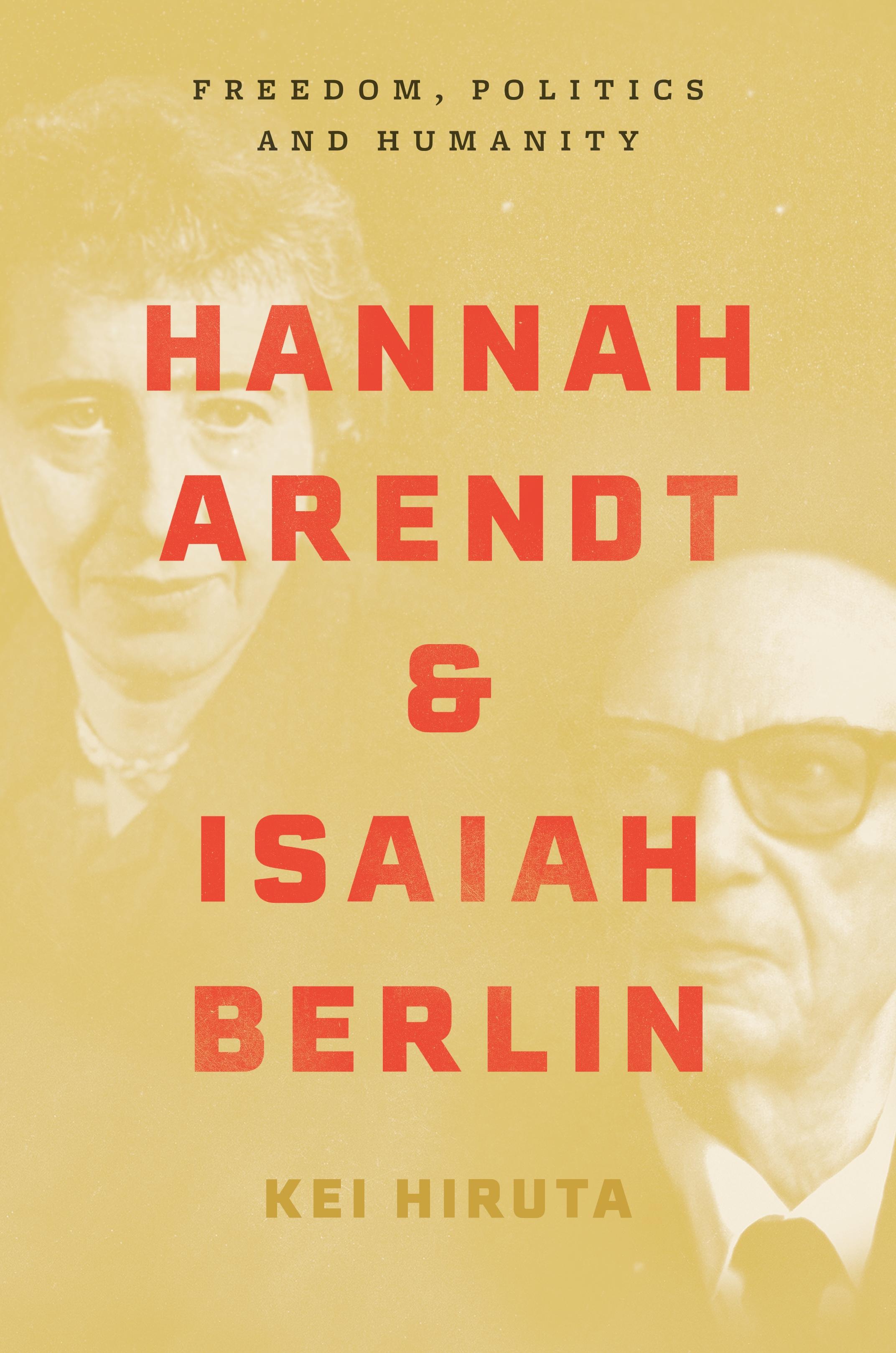
For the first time, the full story of the conflict between two of the twentieth century’s most important thinkers—and the lessons their disagreements continue to offer
Two of the most iconic thinkers of the twentieth century, Hannah Arendt (1906–1975) and Isaiah Berlin (1909–1997) fundamentally disagreed on central issues in politics, history and philosophy. In spite of their overlapping lives and experiences as Jewish émigré intellectuals, Berlin disliked Arendt intensely, saying that she represented “everything that I detest most,” while Arendt met Berlin’s hostility with indifference and suspicion. Written in a lively style, and filled with drama, tragedy and passion, Hannah Arendt and Isaiah Berlin tells, for the first time, the full story of the fraught relationship between these towering figures, and shows how their profoundly different views continue to offer important lessons for political thought today.
Drawing on a wealth of new archival material, Kei Hiruta traces the Arendt–Berlin conflict, from their first meeting in wartime New York through their widening intellectual chasm during the 1950s, the controversy over Arendt’s 1963 book Eichmann in Jerusalem, their final missed opportunity to engage with each other at a 1967 conference and Berlin’s continuing animosity toward Arendt after her death. Hiruta blends political philosophy and intellectual history to examine key issues that simultaneously connected and divided Arendt and Berlin, including the nature of totalitarianism, evil and the Holocaust, human agency and moral responsibility, Zionism, American democracy, British imperialism and the Hungarian Revolution. But, most of all, Arendt and Berlin disagreed over a question that goes to the heart of the human condition: what does it mean to be free?
Before Memmo my notes were scattered across PDFs. Now a workspace pulls everything into one place — I see exactly what's still left to study.
Memmo's summaries are gold before exams. I don't have to re-read 800 pages two weeks before — just the important parts.
The AI chat has saved me the night before an exam more than once. I just keep asking until I get it — no waiting on a study group to reply.
The quizzes hit exactly what I need to know. Memmo tracks what I get stuck on — so I only practice what's worth it.
Flashcards with spaced repetition are magic. Memmo knows when I'm about to forget something and brings it back.
The AI podcasts are my favorite. I listen on my way to school and get a recap without sitting at a computer.

Handbok i kvalitativa metoder
281 kr

Hållbar utveckling: en introduktion för ingenjörer och andra problemlösare
334 kr

Brymans Samhällsvetenskapliga metoder
390 kr

Projektledning
491 kr

Den orättvisa hälsan: om socioekonomiska skillnader i hälsa och livslängd
326 kr

Vetenskapsteori för nybörjare
196 kr

Organizational Leadership
429 kr

På väg mot läraryrket
172 kr

Det sociala livet i skolan: Socialpsykologiska perspektiv
253 kr

Betygsättningens didaktik
151 kr

Personality
402 kr

Studying Leadership
404 kr

Managing Innovation
477 kr

Introduktion till samhällsvetenskaplig metod
347 kr

The Psychology of Sex and Gender
698 kr

Evidens och kunskap för socialt arbete
207 kr

Introduction to Leadership
605 kr