
Before Memmo my notes were scattered across PDFs. Now a workspace pulls everything into one place — I see exactly what's still left to study.
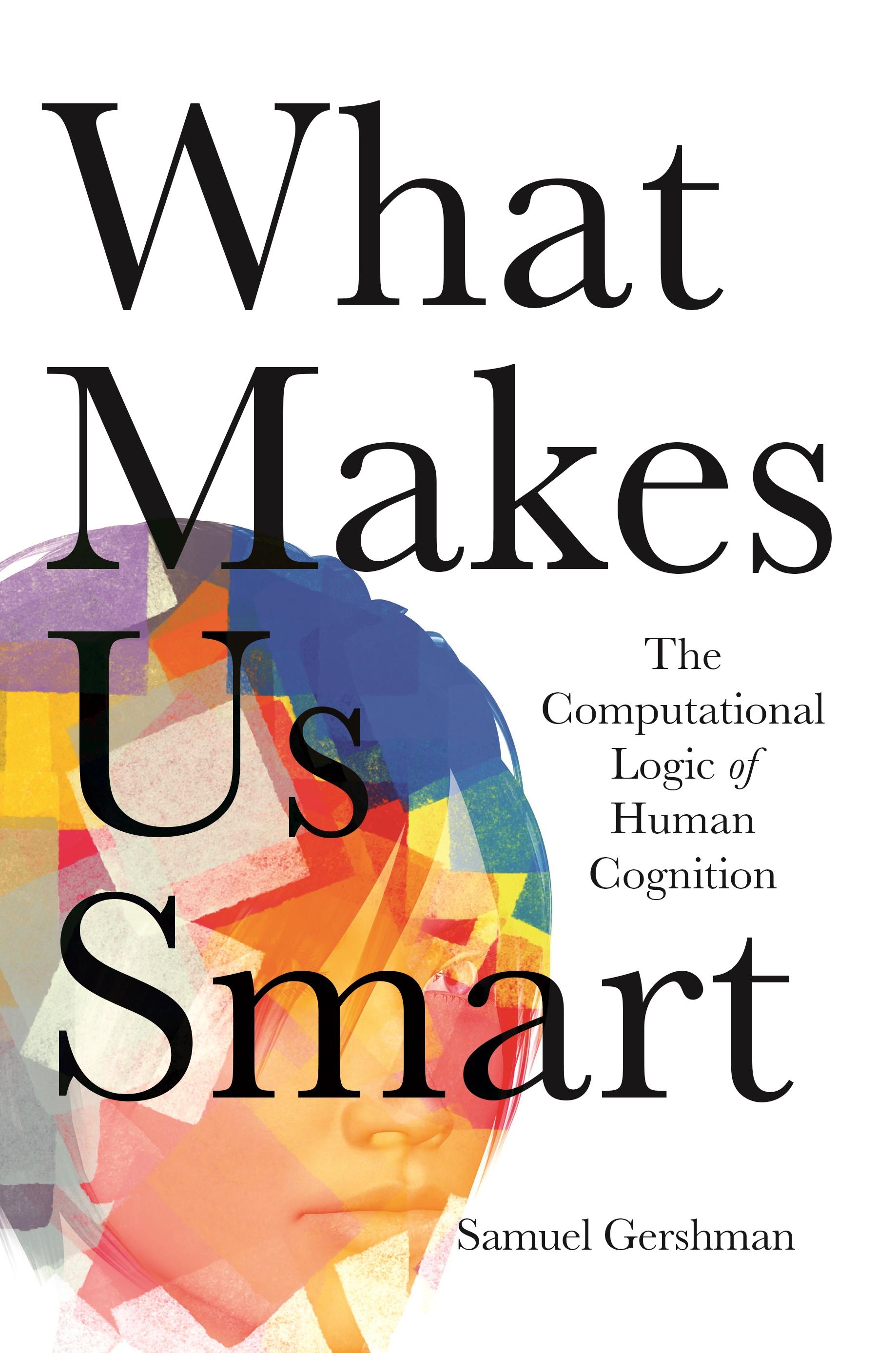
How a computational framework can account for the successes and failures of human cognition
At the heart of human intelligence rests a fundamental puzzle: How are we incredibly smart and stupid at the same time? No existing machine can match the power and flexibility of human perception, language, and reasoning. Yet, we routinely commit errors that reveal the failures of our thought processes. What Makes Us Smart makes sense of this paradox by arguing that our cognitive errors are not haphazard. Rather, they are the inevitable consequences of a brain optimized for efficient inference and decision making within the constraints of time, energy, and memory—in other words, data and resource limitations. Framing human intelligence in terms of these constraints, Samuel Gershman shows how a deeper computational logic underpins the “stupid” errors of human cognition.
Embarking on a journey across psychology, neuroscience, computer science, linguistics, and economics, Gershman presents unifying principles that govern human intelligence. First, inductive bias: any system that makes inferences based on limited data must constrain its hypotheses in some way before observing data. Second, approximation bias: any system that makes inferences and decisions with limited resources must make approximations. Applying these principles to a range of computational errors made by humans, Gershman demonstrates that intelligent systems designed to meet these constraints yield characteristically human errors.
Examining how humans make intelligent and maladaptive decisions, What Makes Us Smart delves into the successes and failures of cognition.
Before Memmo my notes were scattered across PDFs. Now a workspace pulls everything into one place — I see exactly what's still left to study.
Memmo's summaries are gold before exams. I don't have to re-read 800 pages two weeks before — just the important parts.
The AI chat has saved me the night before an exam more than once. I just keep asking until I get it — no waiting on a study group to reply.
The quizzes hit exactly what I need to know. Memmo tracks what I get stuck on — so I only practice what's worth it.
Flashcards with spaced repetition are magic. Memmo knows when I'm about to forget something and brings it back.
The AI podcasts are my favorite. I listen on my way to school and get a recap without sitting at a computer.

Handbok i kvalitativa metoder
281 kr

Hållbar utveckling: en introduktion för ingenjörer och andra problemlösare
334 kr

Brymans Samhällsvetenskapliga metoder
390 kr

Projektledning
491 kr

Den orättvisa hälsan: om socioekonomiska skillnader i hälsa och livslängd
326 kr

Vetenskapsteori för nybörjare
196 kr

Organizational Leadership
429 kr

På väg mot läraryrket
172 kr

Det sociala livet i skolan: Socialpsykologiska perspektiv
253 kr

Betygsättningens didaktik
151 kr

Personality
402 kr

Studying Leadership
404 kr

Managing Innovation
477 kr

Introduktion till samhällsvetenskaplig metod
347 kr

The Psychology of Sex and Gender
698 kr

Evidens och kunskap för socialt arbete
207 kr

Introduction to Leadership
605 kr