
Before Memmo my notes were scattered across PDFs. Now a workspace pulls everything into one place — I see exactly what's still left to study.
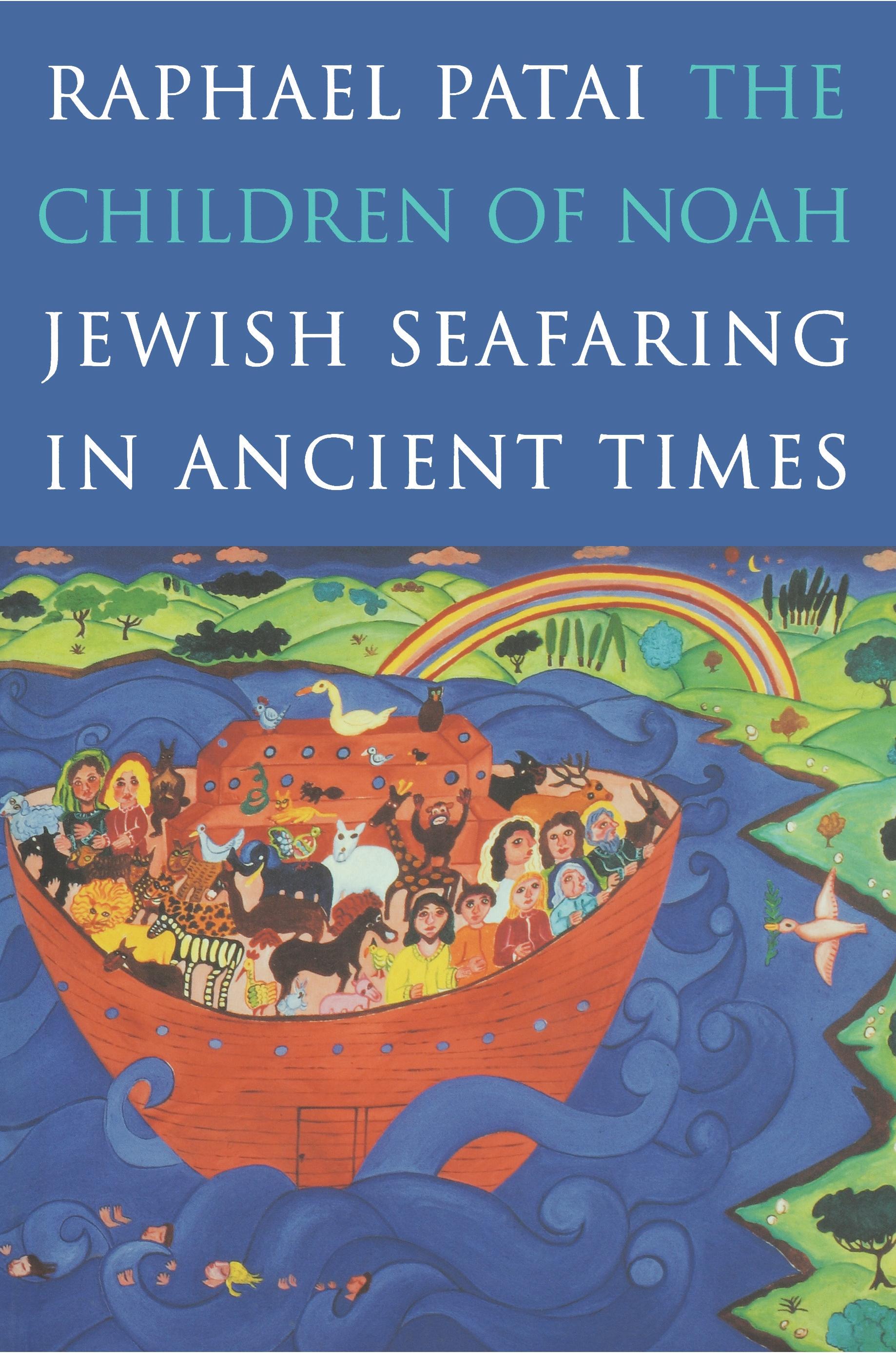
Here the late Raphael Patai (1910-1996) recreates the fascinating world of Jewish seafaring from Noah's voyage through the Diaspora of late antiquity. In a work of pioneering scholarship, Patai weaves together Biblical stories, Talmudic lore, and Midrash literature to bring alive the world of these ancient mariners. As he did in his highly acclaimed book The Jewish Alchemists, Patai explores a subject that has never before been investigated by scholars. Based on nearly sixty years of research, beginning with study he undertook for his doctoral dissertation, The Children of Noah is literally Patai's first book and his last. It is a work of unsurpassed scholarship, but it is accessible to general readers as well as scholars.
An abundance of evidence demonstrates the importance of the sea in the lives of Jews throughout early recorded history. Jews built ships, sailed them, fought wars in them, battled storms in them, and lost their lives to the sea. Patai begins with the story of the deluge that is found in Genesis and profiles Noah, the father of all shipbuilders and seafarers. The sea, according to Patai's interpretation, can be seen as an image of the manifestation of God's power, and he reflects on its role in legends and tales of early times. The practical importance of the sea also led to the development of practical institutions, and Patai shows how Jewish seafaring had its own culture and how it influenced the cultures of Mediterranean life as well. Of course, Jewish sailors were subject to the same rabbinical laws as Jews who never set sail, and Patai describes how they went to extreme lengths to remain in adherence, even getting special emendations of laws to allow them to tie knots and adjust rigging on the Sabbath.
The Children of Noah is a capstone to an extraordinary career. Patai was both a careful scholar and a gifted storyteller, and this work is at once a vivid history of a neglected aspect of Jewish culture and a treasure trove of sources for further study. It is a stimulating and delightful book.
Before Memmo my notes were scattered across PDFs. Now a workspace pulls everything into one place — I see exactly what's still left to study.
Memmo's summaries are gold before exams. I don't have to re-read 800 pages two weeks before — just the important parts.
The AI chat has saved me the night before an exam more than once. I just keep asking until I get it — no waiting on a study group to reply.
The quizzes hit exactly what I need to know. Memmo tracks what I get stuck on — so I only practice what's worth it.
Flashcards with spaced repetition are magic. Memmo knows when I'm about to forget something and brings it back.
The AI podcasts are my favorite. I listen on my way to school and get a recap without sitting at a computer.

Handbok i kvalitativa metoder
281 kr

Hållbar utveckling: en introduktion för ingenjörer och andra problemlösare
334 kr

Brymans Samhällsvetenskapliga metoder
390 kr

Projektledning
491 kr

Den orättvisa hälsan: om socioekonomiska skillnader i hälsa och livslängd
326 kr

Vetenskapsteori för nybörjare
196 kr

Organizational Leadership
429 kr

På väg mot läraryrket
172 kr

Det sociala livet i skolan: Socialpsykologiska perspektiv
253 kr

Betygsättningens didaktik
151 kr

Personality
402 kr

Studying Leadership
404 kr

Managing Innovation
477 kr

Introduktion till samhällsvetenskaplig metod
347 kr

The Psychology of Sex and Gender
698 kr

Evidens och kunskap för socialt arbete
207 kr

Introduction to Leadership
605 kr