
Before Memmo my notes were scattered across PDFs. Now a workspace pulls everything into one place — I see exactly what's still left to study.
Why violence in the Congo has continued despite decades of international intervention
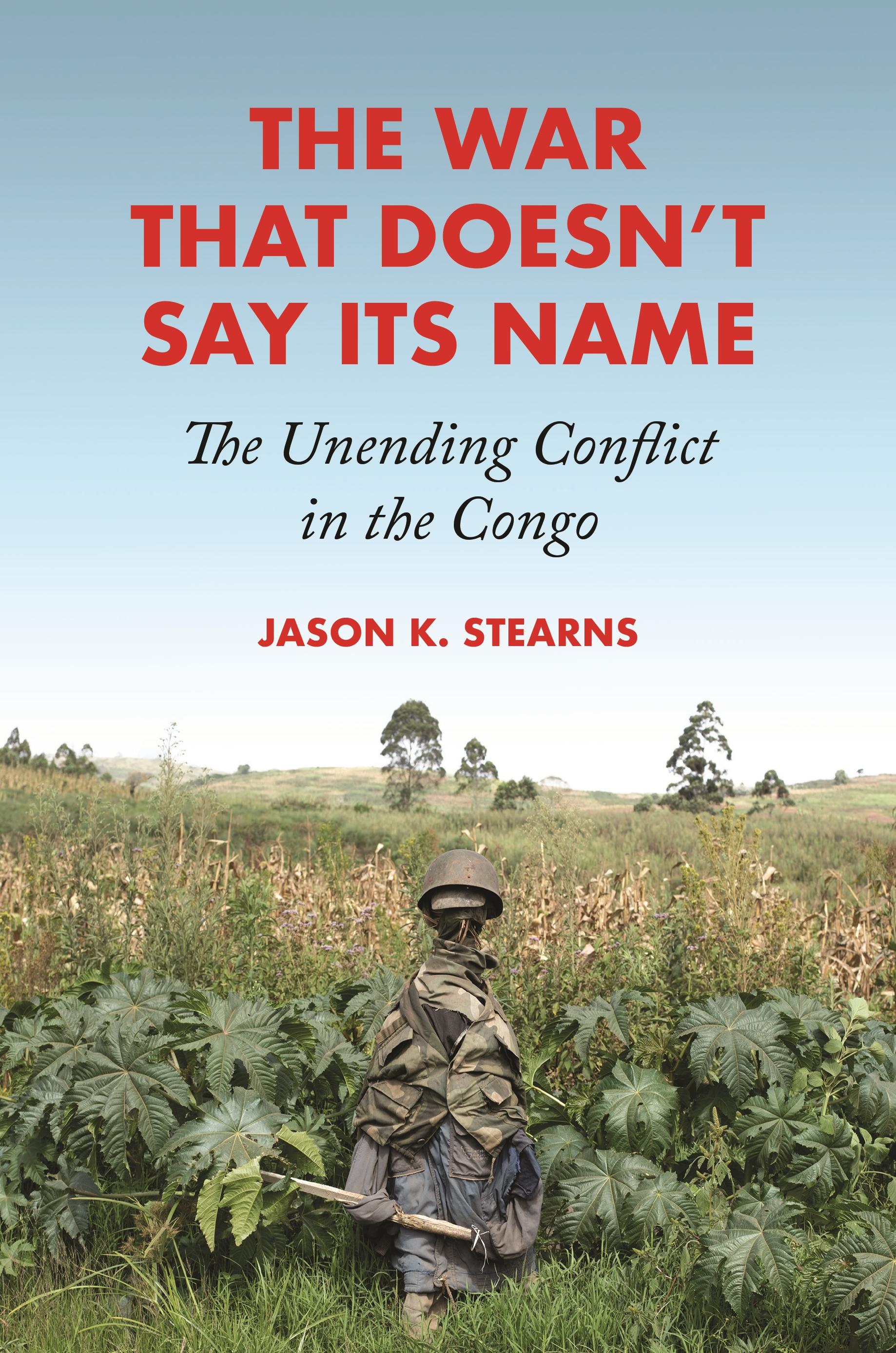
Well into its third decade, the military conflict in the Democratic Republic of the Congo has been dubbed a “forever war”—a perpetual cycle of war, civil unrest, and local feuds over power and identity. Millions have died in one of the worst humanitarian calamities of our time. The War That Doesn’t Say Its Name investigates the most recent phase of this conflict, asking why the peace deal of 2003—accompanied by the largest United Nations peacekeeping mission in the world and tens of billions in international aid—has failed to stop the violence. Jason Stearns argues that the fighting has become an end in itself, carried forward in substantial part through the apathy and complicity of local and international actors.
Stearns shows that regardless of the suffering, there has emerged a narrow military bourgeoisie of commanders and politicians for whom the conflict is a source of survival, dignity, and profit. Foreign donors provide food and urgent health care for millions, preventing the Congolese state from collapsing, but this involvement has not yielded transformational change. Stearns gives a detailed historical account of this period, focusing on the main players—Congolese and Rwandan states and the main armed groups. He extrapolates from these dynamics to other conflicts across Africa and presents a theory of conflict that highlights the interests of the belligerents and the social structures from which they arise.
Exploring how violence in the Congo has become preoccupied with its own reproduction, The War That Doesn't Say Its Name sheds light on why certain military feuds persist without resolution.
Before Memmo my notes were scattered across PDFs. Now a workspace pulls everything into one place — I see exactly what's still left to study.
Memmo's summaries are gold before exams. I don't have to re-read 800 pages two weeks before — just the important parts.
The AI chat has saved me the night before an exam more than once. I just keep asking until I get it — no waiting on a study group to reply.
The quizzes hit exactly what I need to know. Memmo tracks what I get stuck on — so I only practice what's worth it.
Flashcards with spaced repetition are magic. Memmo knows when I'm about to forget something and brings it back.
The AI podcasts are my favorite. I listen on my way to school and get a recap without sitting at a computer.

Handbok i kvalitativa metoder
281 kr

Hållbar utveckling: en introduktion för ingenjörer och andra problemlösare
334 kr

Brymans Samhällsvetenskapliga metoder
390 kr

Projektledning
491 kr

Den orättvisa hälsan: om socioekonomiska skillnader i hälsa och livslängd
326 kr

Organizational Leadership
429 kr

Vetenskapsteori för nybörjare
196 kr

På väg mot läraryrket
172 kr

Det sociala livet i skolan: Socialpsykologiska perspektiv
253 kr

Betygsättningens didaktik
151 kr

Personality
402 kr

Studying Leadership
404 kr

Managing Innovation
477 kr

Introduktion till samhällsvetenskaplig metod
347 kr

The Psychology of Sex and Gender
698 kr

Evidens och kunskap för socialt arbete
207 kr

Introduction to Leadership
605 kr