
Before Memmo my notes were scattered across PDFs. Now a workspace pulls everything into one place — I see exactly what's still left to study.
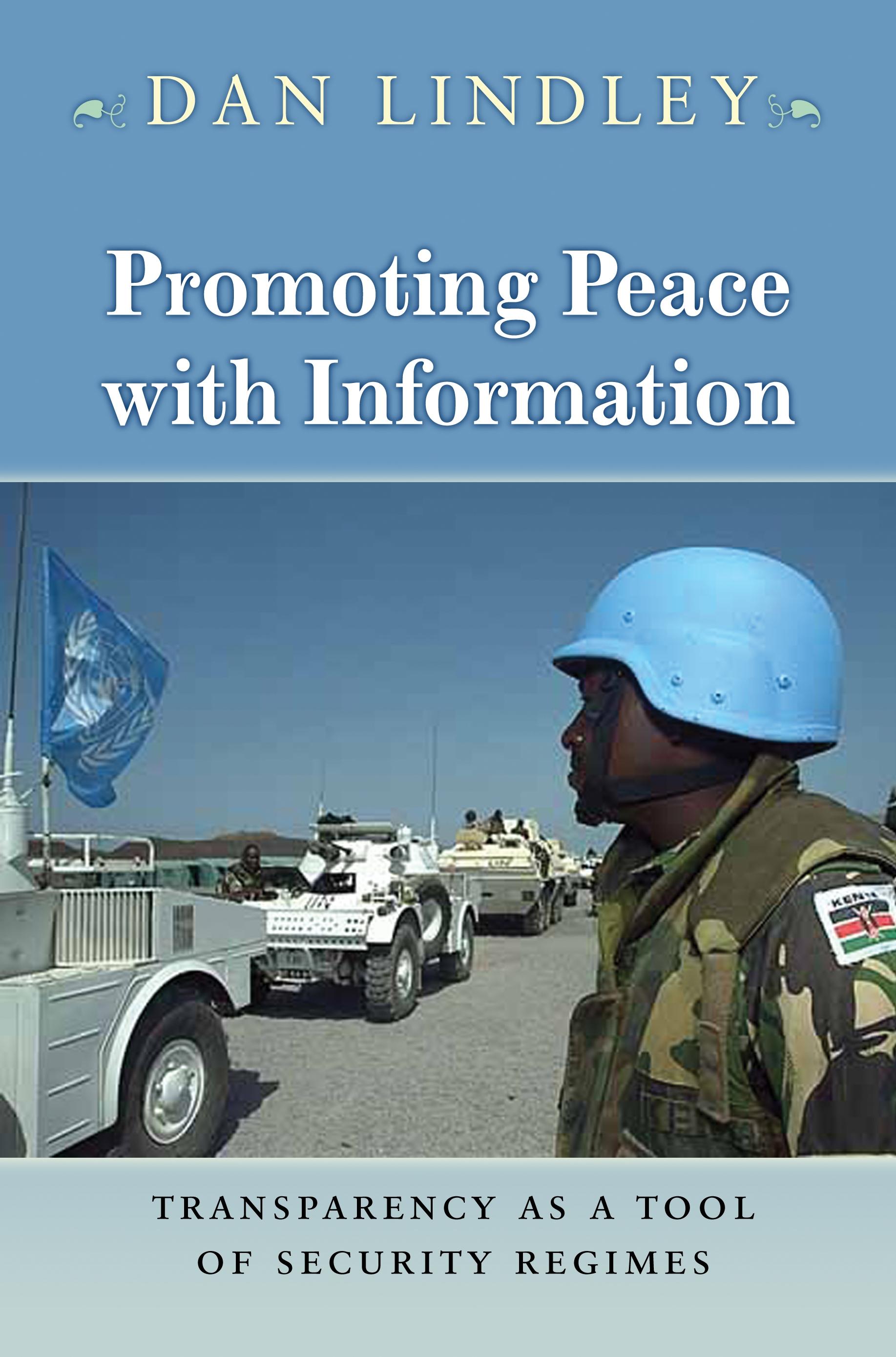
It is normally assumed that international security regimes such as the United Nations can reduce the risk of war by increasing transparency among adversarial nations. The more adversaries understand each other's intentions and capabilities, the thinking goes, the less likely they are to be led to war by miscalculations and unwarranted fears. But how is transparency provided, how does it actually work, and how effective is it in preserving or restoring peace? In Promoting Peace with Information, Dan Lindley provides the first scholarly answer to these important questions.
Lindley rigorously examines a wide range of cases, including U.N. peacekeeping operations in Cyprus, the Golan Heights, Namibia, and Cambodia; arms-control agreements, including the Nuclear Non-Proliferation Treaty; and the historical example of the Concert of Europe, which sought to keep the peace following the defeat of Napoleon in 1815. Making nuanced arguments based on extensive use of primary sources, interviews, and field research, Lindley shows when transparency succeeds in promoting peace, and when it fails. His analysis reveals, for example, that it is surprisingly hard for U.N. buffer-zone monitors to increase transparency, yet U.N. nation-building missions have creatively used transparency to refute harmful rumors and foster democracy.
For scholars, Promoting Peace with Information is a major advance into the relatively uncharted intersection of institutionalism and security studies. For policymakers, its findings will lead to wiser peacekeeping, public diplomacy, and nation building.
Before Memmo my notes were scattered across PDFs. Now a workspace pulls everything into one place — I see exactly what's still left to study.
Memmo's summaries are gold before exams. I don't have to re-read 800 pages two weeks before — just the important parts.
The AI chat has saved me the night before an exam more than once. I just keep asking until I get it — no waiting on a study group to reply.
The quizzes hit exactly what I need to know. Memmo tracks what I get stuck on — so I only practice what's worth it.
Flashcards with spaced repetition are magic. Memmo knows when I'm about to forget something and brings it back.
The AI podcasts are my favorite. I listen on my way to school and get a recap without sitting at a computer.

Handbok i kvalitativa metoder
281 kr

Hållbar utveckling: en introduktion för ingenjörer och andra problemlösare
334 kr

Brymans Samhällsvetenskapliga metoder
390 kr

Projektledning
491 kr

Den orättvisa hälsan: om socioekonomiska skillnader i hälsa och livslängd
326 kr

Vetenskapsteori för nybörjare
196 kr

Organizational Leadership
429 kr

På väg mot läraryrket
172 kr

Det sociala livet i skolan: Socialpsykologiska perspektiv
253 kr

Betygsättningens didaktik
151 kr

Personality
402 kr

Studying Leadership
404 kr

Managing Innovation
477 kr

Introduktion till samhällsvetenskaplig metod
347 kr

The Psychology of Sex and Gender
698 kr

Evidens och kunskap för socialt arbete
207 kr

Introduction to Leadership
605 kr