
Before Memmo my notes were scattered across PDFs. Now a workspace pulls everything into one place — I see exactly what's still left to study.
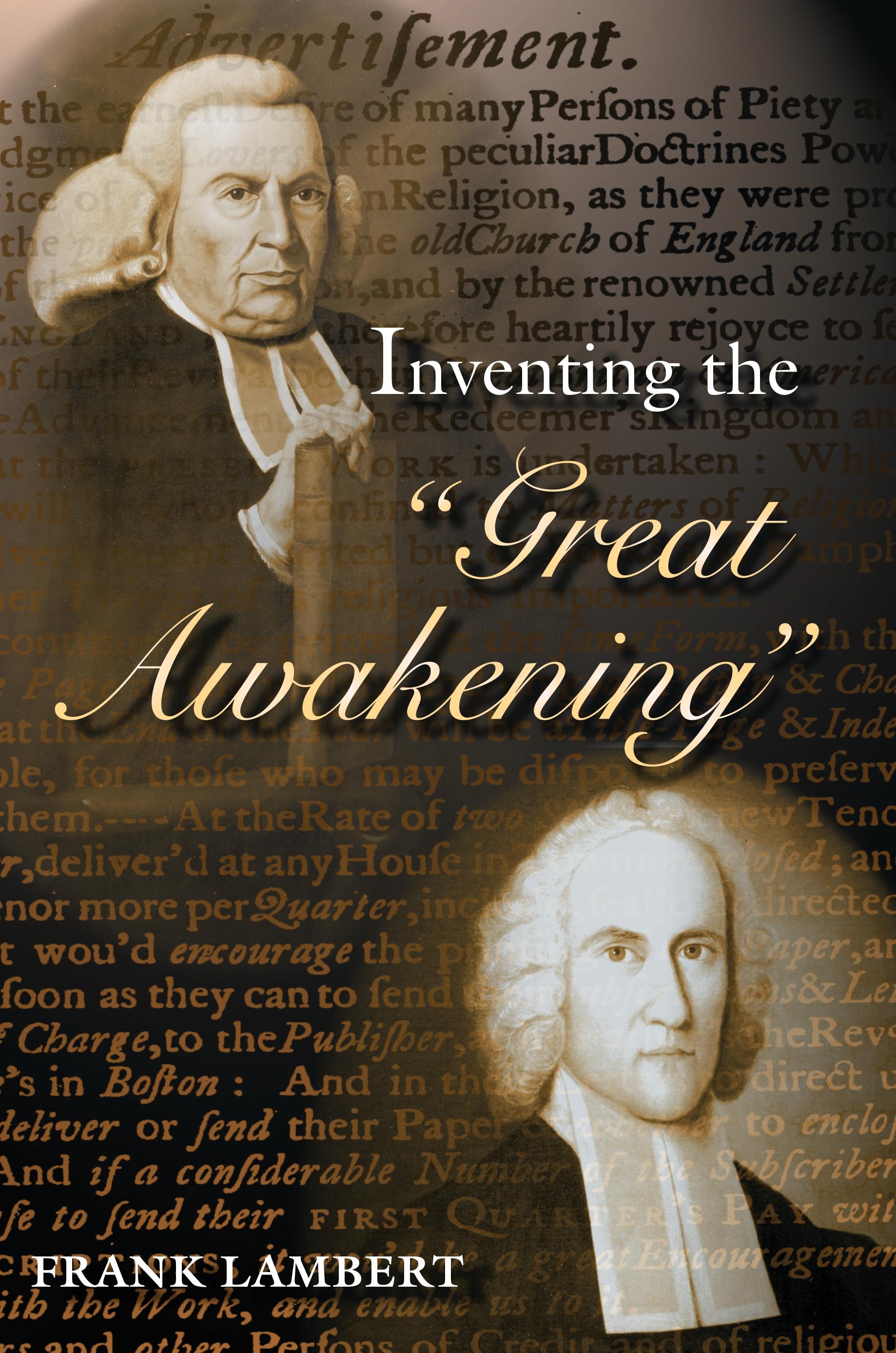
This book is a history of an astounding transatlantic phenomenon, a popular evangelical revival known in America as the first Great Awakening (1735-1745). Beginning in the mid-1730s, supporters and opponents of the revival commented on the extraordinary nature of what one observer called the "great ado," with its extemporaneous outdoor preaching, newspaper publicity, and rallies of up to 20,000 participants. Frank Lambert, biographer of Great Awakening leader George Whitefield, offers an overview of this important episode and proposes a new explanation of its origins.
The Great Awakening, however dramatic, was nevertheless unnamed until after its occurrence, and its leaders created no doctrine nor organizational structure that would result in a historical record. That lack of documentation has allowed recent scholars to suggest that the movement was "invented" by nineteenth-century historians. Some specialists even think that it was wholly constructed by succeeding generations, who retroactively linked sporadic happenings to fabricate an alleged historic development. Challenging these interpretations, Lambert nevertheless demonstrates that the Great Awakening was invented--not by historians but by eighteenth-century evangelicals who were skillful and enthusiastic religious promoters. Reporting a dramatic meeting in one location in order to encourage gatherings in other places, these men used commercial strategies and newly popular print media to build a revival--one that they also believed to be an "extraordinary work of God." They saw a special meaning in contemporary events, looking for a transatlantic pattern of revival and finding a motive for spiritual rebirth in what they viewed as a moral decline in colonial America and abroad.
By examining the texts that these preachers skillfully put together, Lambert shows how they told and retold their revival account to themselves, their followers, and their opponents. His inquiries depict revivals as cultural productions and yield fresh understandings of how believers "spread the word" with whatever technical and social methods seem the most effective.
Before Memmo my notes were scattered across PDFs. Now a workspace pulls everything into one place — I see exactly what's still left to study.
Memmo's summaries are gold before exams. I don't have to re-read 800 pages two weeks before — just the important parts.
The AI chat has saved me the night before an exam more than once. I just keep asking until I get it — no waiting on a study group to reply.
The quizzes hit exactly what I need to know. Memmo tracks what I get stuck on — so I only practice what's worth it.
Flashcards with spaced repetition are magic. Memmo knows when I'm about to forget something and brings it back.
The AI podcasts are my favorite. I listen on my way to school and get a recap without sitting at a computer.

Handbok i kvalitativa metoder
281 kr

Hållbar utveckling: en introduktion för ingenjörer och andra problemlösare
334 kr

Brymans Samhällsvetenskapliga metoder
390 kr

Projektledning
491 kr

Den orättvisa hälsan: om socioekonomiska skillnader i hälsa och livslängd
326 kr

Vetenskapsteori för nybörjare
196 kr

Organizational Leadership
429 kr

På väg mot läraryrket
172 kr

Det sociala livet i skolan: Socialpsykologiska perspektiv
253 kr

Betygsättningens didaktik
151 kr

Personality
402 kr

Studying Leadership
404 kr

Managing Innovation
477 kr

Introduktion till samhällsvetenskaplig metod
347 kr

The Psychology of Sex and Gender
698 kr

Evidens och kunskap för socialt arbete
207 kr

Introduction to Leadership
605 kr