
Before Memmo my notes were scattered across PDFs. Now a workspace pulls everything into one place — I see exactly what's still left to study.
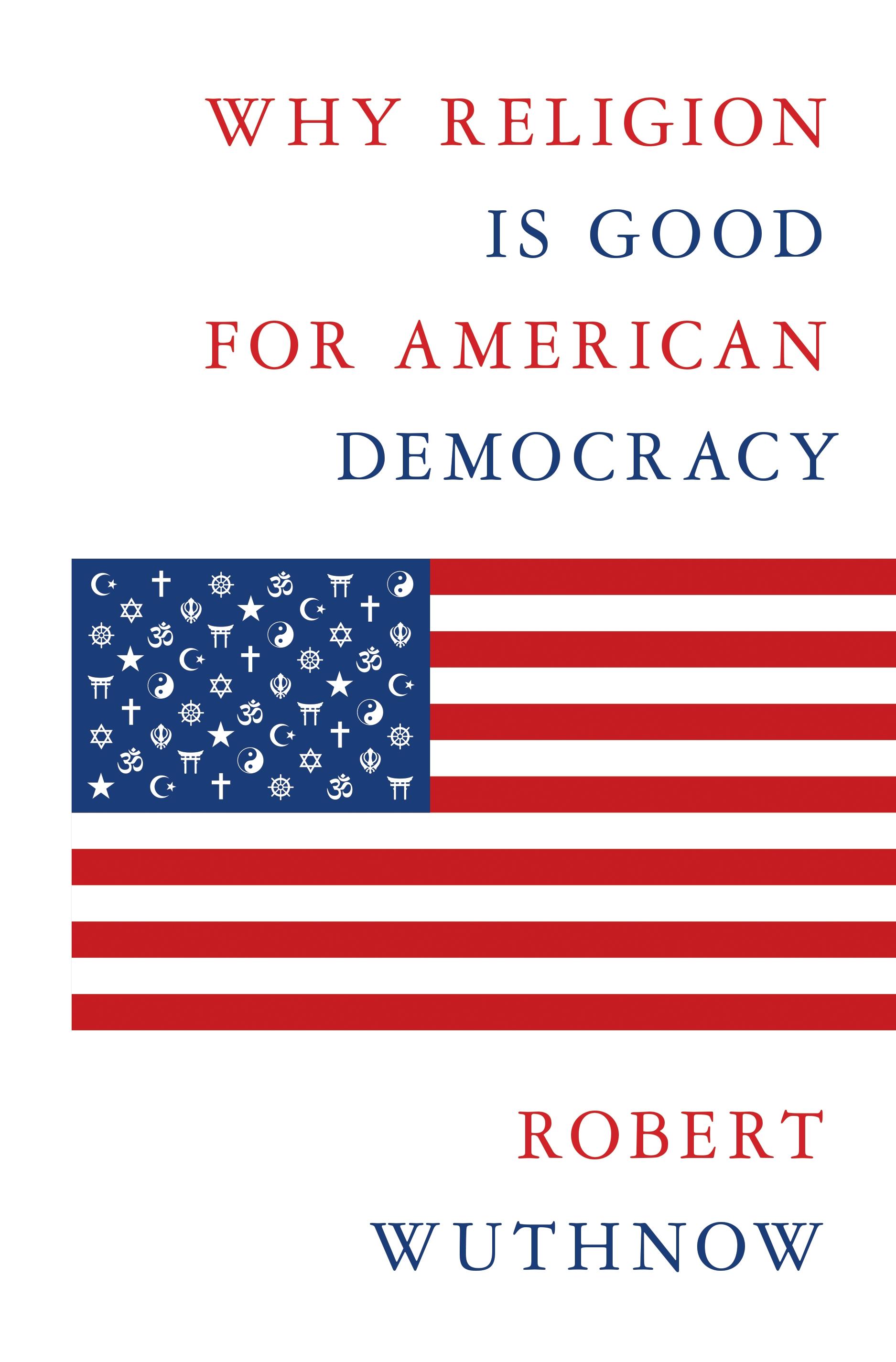
How the actions and advocacy of diverse religious communities in the United States have supported democracy’s development during the past century
Does religion benefit democracy? Robert Wuthnow says yes. In Why Religion Is Good for American Democracy, Wuthnow makes his case by moving beyond the focus on unifying values or narratives about culture wars and elections. Rather, he demonstrates that the beneficial contributions of religion are best understood through the lens of religious diversity. The religious composition of the United States comprises many groups, organizations, and individuals that vigorously, and sometimes aggressively, contend for what they believe to be good and true. Unwelcome as this contention can be, it is rarely extremist, violent, or autocratic. Instead, it brings alternative and innovative perspectives to the table, forcing debates about what it means to be a democracy.
Wuthnow shows how American religious diversity works by closely investigating religious advocacy spanning the past century: during the Great Depression, World War II, the civil rights movement, the debates about welfare reform, the recent struggles for immigrant rights and economic equality, and responses to the coronavirus pandemic. The engagement of religious groups in advocacy and counteradvocacy has sharpened arguments about authoritarianism, liberty of conscience, freedom of assembly, human dignity, citizens’ rights, equality, and public health. Wuthnow hones in on key principles of democratic governance and provides a hopeful yet realistic appraisal of what religion can and cannot achieve.
At a time when many observers believe American democracy to be in dire need of revitalization, Why Religion Is Good for American Democracy illustrates how religious groups have contributed to this end and how they might continue to do so despite the many challenges faced by the nation.
Before Memmo my notes were scattered across PDFs. Now a workspace pulls everything into one place — I see exactly what's still left to study.
Memmo's summaries are gold before exams. I don't have to re-read 800 pages two weeks before — just the important parts.
The AI chat has saved me the night before an exam more than once. I just keep asking until I get it — no waiting on a study group to reply.
The quizzes hit exactly what I need to know. Memmo tracks what I get stuck on — so I only practice what's worth it.
Flashcards with spaced repetition are magic. Memmo knows when I'm about to forget something and brings it back.
The AI podcasts are my favorite. I listen on my way to school and get a recap without sitting at a computer.

Handbok i kvalitativa metoder
281 kr

Hållbar utveckling: en introduktion för ingenjörer och andra problemlösare
334 kr

Brymans Samhällsvetenskapliga metoder
390 kr

Projektledning
491 kr

Den orättvisa hälsan: om socioekonomiska skillnader i hälsa och livslängd
326 kr

Vetenskapsteori för nybörjare
196 kr

Organizational Leadership
429 kr

På väg mot läraryrket
172 kr

Det sociala livet i skolan: Socialpsykologiska perspektiv
253 kr

Betygsättningens didaktik
151 kr

Personality
402 kr

Studying Leadership
404 kr

Managing Innovation
477 kr

Introduktion till samhällsvetenskaplig metod
347 kr

The Psychology of Sex and Gender
698 kr

Evidens och kunskap för socialt arbete
207 kr

Introduction to Leadership
605 kr