
Before Memmo my notes were scattered across PDFs. Now a workspace pulls everything into one place — I see exactly what's still left to study.
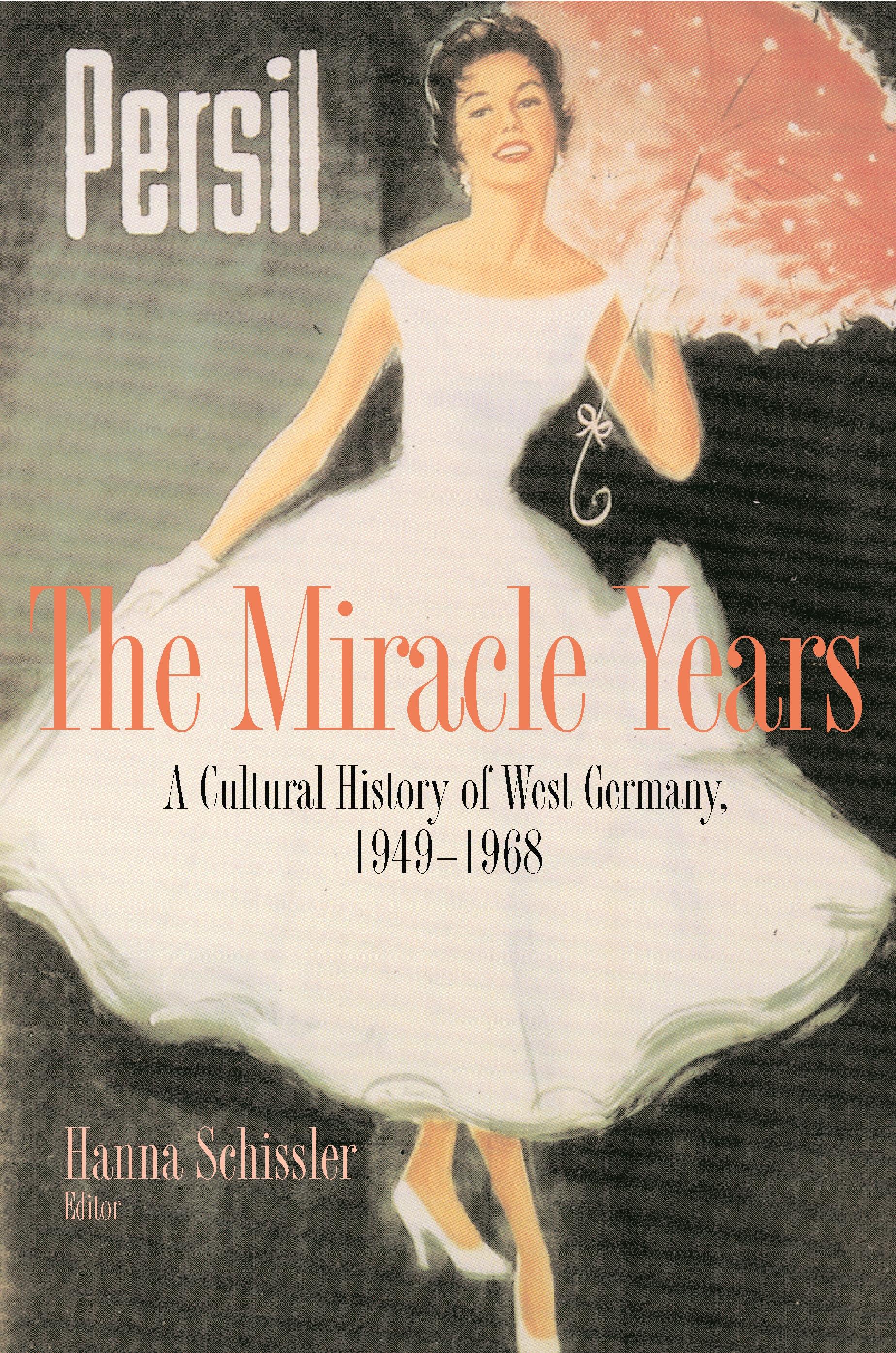
Stereotypical descriptions showcase West Germany as an "economic miracle" or cast it in the narrow terms of Cold War politics. Such depictions neglect how material hardship preceded success and how a fascist past and communist sibling complicated the country's image as a bastion of democracy. Even more disappointing, they brush over a rich and variegated cultural history. That history is told here by leading scholars of German history, literature, and film in what is destined to become the volume on postwar West German culture and society.
In it, we read about the lives of real people--from German children fathered by black Occupation soldiers to communist activists, from surviving Jews to Turkish "guest" workers, from young hoodlums to middle-class mothers. We learn how they experienced and represented the institutions and social forces that shaped their lives and defined the wider culture. We see how two generations of West Germans came to terms not only with war guilt, division from East Germany, and the Angst of nuclear threat, but also with changing gender relations, the Americanization of popular culture, and the rise of conspicuous consumption. Individually, these essays peer into fascinating, overlooked corners of German life. Together, they tell what it really meant to live in West Germany in the 1950s and 1960s.
In addition to the editor, the contributors are Volker R. Berghahn, Frank Biess, Heide Fehrenbach, Michael Geyer, Elizabeth Heineman, Ulrich Herbert, Maria Höhn, Karin Hunn, Kaspar Maase, Richard McCormick, Robert G. Moeller, Lutz Niethammer, Uta G. Poiger, Diethelm Prowe, Frank Stern, Arnold Sywottek, Frank Trommler, Eric D. Weitz, Juliane Wetzel, and Dorothee Wierling.
Before Memmo my notes were scattered across PDFs. Now a workspace pulls everything into one place — I see exactly what's still left to study.
Memmo's summaries are gold before exams. I don't have to re-read 800 pages two weeks before — just the important parts.
The AI chat has saved me the night before an exam more than once. I just keep asking until I get it — no waiting on a study group to reply.
The quizzes hit exactly what I need to know. Memmo tracks what I get stuck on — so I only practice what's worth it.
Flashcards with spaced repetition are magic. Memmo knows when I'm about to forget something and brings it back.
The AI podcasts are my favorite. I listen on my way to school and get a recap without sitting at a computer.

Handbok i kvalitativa metoder
281 kr

Hållbar utveckling: en introduktion för ingenjörer och andra problemlösare
334 kr

Brymans Samhällsvetenskapliga metoder
390 kr

Projektledning
491 kr

Den orättvisa hälsan: om socioekonomiska skillnader i hälsa och livslängd
326 kr

Vetenskapsteori för nybörjare
196 kr

Organizational Leadership
429 kr

På väg mot läraryrket
172 kr

Det sociala livet i skolan: Socialpsykologiska perspektiv
253 kr

Betygsättningens didaktik
151 kr

Personality
402 kr

Studying Leadership
404 kr

Managing Innovation
477 kr

Introduktion till samhällsvetenskaplig metod
347 kr

The Psychology of Sex and Gender
698 kr

Evidens och kunskap för socialt arbete
207 kr

Introduction to Leadership
605 kr