
Before Memmo my notes were scattered across PDFs. Now a workspace pulls everything into one place — I see exactly what's still left to study.
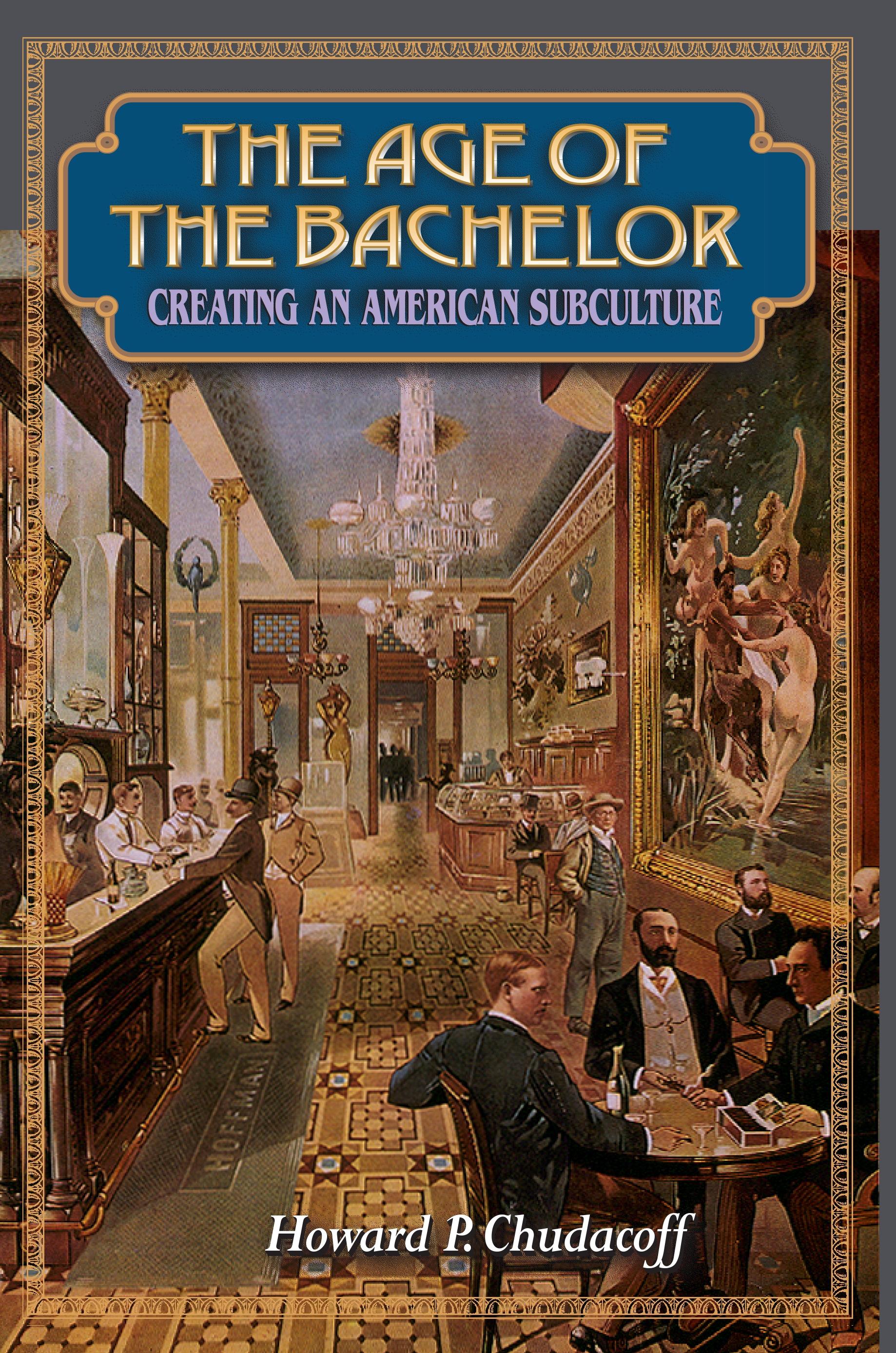
In this engaging new book, Howard Chudacoff describes a special and fascinating world: the urban bachelor life that took shape in the late nineteenth century, when a significant population of single men migrated to American cities. Rejecting the restraints and dependence of the nineteenth-century family, bachelors found sustenance and camaraderie in the boarding houses, saloons, pool halls, cafes, clubs, and other institutions that arose in response to their increasing numbers. Richly illustrated, anecdotal, and including a unique analysis of The National Police Gazette (the most outrageous and popular men's publication of the late nineteenth and the early twentieth century), this book is the first to describe a complex subculture that continues to affect the larger meanings of manhood and manliness in American society.
The figure of the bachelor--with its emphasis on pleasure, self-indulgence, and public entertainment--was easily converted by the burgeoning consumer culture at the turn of the century into an ambiguously appealing image of masculinity. Finding an easy reception in an atmosphere of insecurity about manhood, that image has outdistanced the circumstances in which it began to flourish and far outlasted the bachelor culture that produced it. Thus, the idea of the bachelor has retained its somewhat negative but alluring connotations throughout the rest of the twentieth century. Chudacoff's concluding chapter discusses the contemporary "singles scene" now developing as the number of single people in urban centers is again increasing.
By seeing bachelorhood as a stage in life for many and a permanent status for some, Chudacoff recalls a lifestyle that had a profound impact on society, evoking fear, disdain, repugnance, and at the same time a sense of romance, excitement, and freedom. The book contributes to gender history, family history, urban history, and the study of consumer culture and will appeal to anyone curious about American history and anxious to acquire a new view of a sometimes forgotten but still influential aspect of our national past.
Before Memmo my notes were scattered across PDFs. Now a workspace pulls everything into one place — I see exactly what's still left to study.
Memmo's summaries are gold before exams. I don't have to re-read 800 pages two weeks before — just the important parts.
The AI chat has saved me the night before an exam more than once. I just keep asking until I get it — no waiting on a study group to reply.
The quizzes hit exactly what I need to know. Memmo tracks what I get stuck on — so I only practice what's worth it.
Flashcards with spaced repetition are magic. Memmo knows when I'm about to forget something and brings it back.
The AI podcasts are my favorite. I listen on my way to school and get a recap without sitting at a computer.

Handbok i kvalitativa metoder
281 kr

Hållbar utveckling: en introduktion för ingenjörer och andra problemlösare
334 kr

Brymans Samhällsvetenskapliga metoder
390 kr

Projektledning
491 kr

Den orättvisa hälsan: om socioekonomiska skillnader i hälsa och livslängd
326 kr

Vetenskapsteori för nybörjare
196 kr

Organizational Leadership
429 kr

På väg mot läraryrket
172 kr

Det sociala livet i skolan: Socialpsykologiska perspektiv
253 kr

Betygsättningens didaktik
151 kr

Personality
402 kr

Studying Leadership
404 kr

Managing Innovation
477 kr

Introduktion till samhällsvetenskaplig metod
347 kr

The Psychology of Sex and Gender
698 kr

Evidens och kunskap för socialt arbete
207 kr

Introduction to Leadership
605 kr