
Before Memmo my notes were scattered across PDFs. Now a workspace pulls everything into one place — I see exactly what's still left to study.
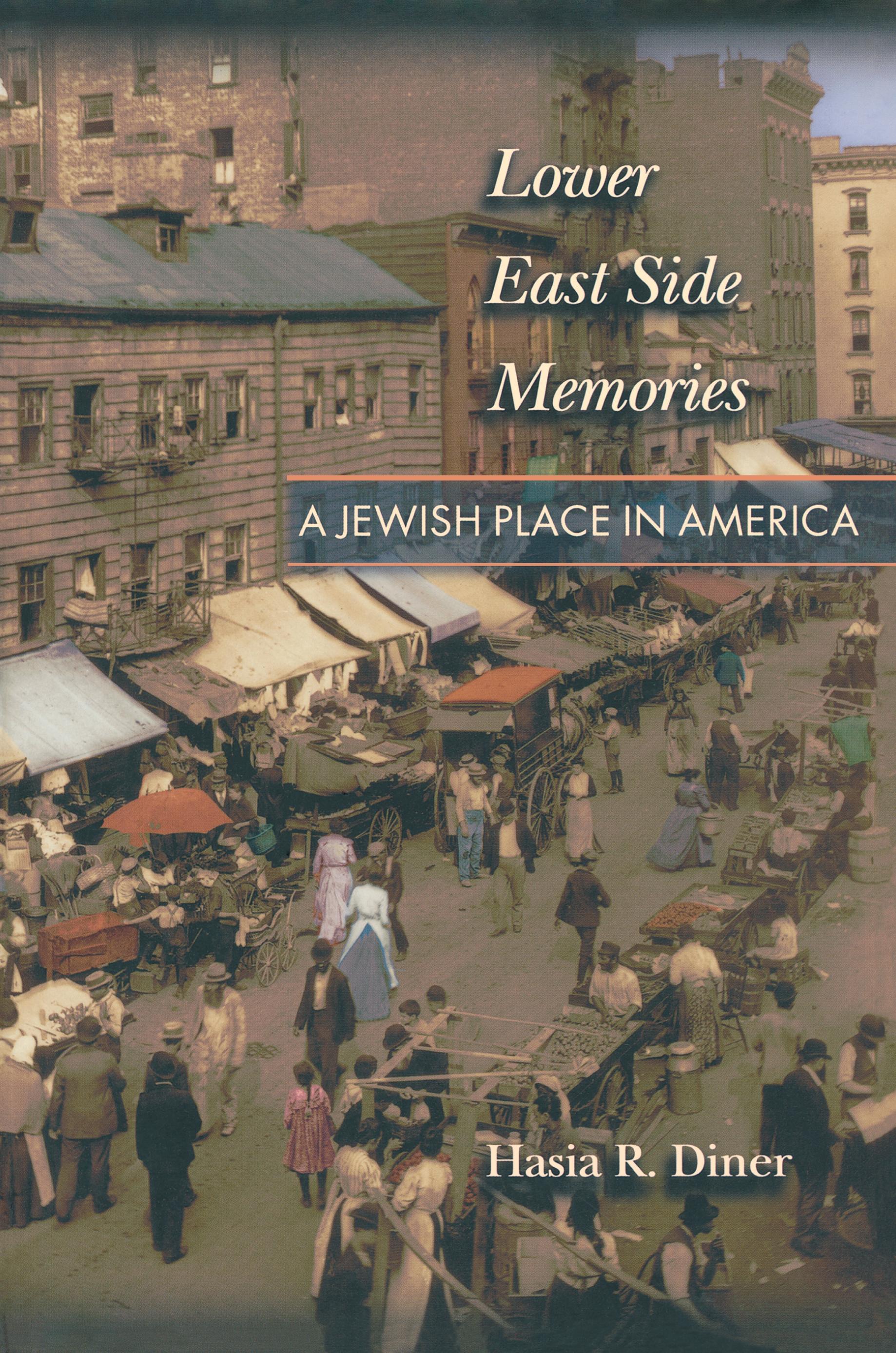
Manhattan's Lower East Side stands for Jewish experience in America. With the possible exception of African-Americans and Harlem, no ethnic group has been so thoroughly understood and imagined through a particular chunk of space. Despite the fact that most American Jews have never set foot there--and many come from families that did not immigrate through New York much less reside on Hester or Delancey Street--the Lower East Side is firm in their collective memory. Whether they have been there or not, people reminisce about the Lower East Side as the place where life pulsated, bread tasted better, relationships were richer, tradition thrived, and passions flared.
This was not always so. During the years now fondly recalled (1880-1930), the neighborhood was only occasionally called the Lower East Side. Though largely populated by Jews from Eastern Europe, it was not ethnically or even religiously homogenous. The tenements, grinding poverty, sweatshops, and packs of roaming children were considered the stuff of social work, not nostalgia and romance. To learn when and why this dark warren of pushcart-lined streets became an icon, Hasia Diner follows a wide trail of high and popular culture. She examines children's stories, novels, movies, museum exhibits, television shows, summer-camp reenactments, walking tours, consumer catalogues, and photos hung on deli walls far from Manhattan.
Diner finds that it was after World War II when the Lower East Side was enshrined as the place through which Jews passed from European oppression to the promised land of America. The space became sacred at a time when Jews were simultaneously absorbing the enormity of the Holocaust and finding acceptance and opportunity in an increasingly liberal United States. Particularly after 1960, the Lower East Side gave often secularized and suburban Jews a biblical, yet distinctly American story about who they were and how they got here.
Displaying the author's own fondness for the Lower East Side of story books, combined with a commitment to historical truth, Lower East Side Memories is an insightful account of one of our most famous neighborhoods and its power to shape identity.
Before Memmo my notes were scattered across PDFs. Now a workspace pulls everything into one place — I see exactly what's still left to study.
Memmo's summaries are gold before exams. I don't have to re-read 800 pages two weeks before — just the important parts.
The AI chat has saved me the night before an exam more than once. I just keep asking until I get it — no waiting on a study group to reply.
The quizzes hit exactly what I need to know. Memmo tracks what I get stuck on — so I only practice what's worth it.
Flashcards with spaced repetition are magic. Memmo knows when I'm about to forget something and brings it back.
The AI podcasts are my favorite. I listen on my way to school and get a recap without sitting at a computer.

Handbok i kvalitativa metoder
281 kr

Hållbar utveckling: en introduktion för ingenjörer och andra problemlösare
334 kr

Brymans Samhällsvetenskapliga metoder
390 kr

Projektledning
491 kr

Den orättvisa hälsan: om socioekonomiska skillnader i hälsa och livslängd
326 kr

Vetenskapsteori för nybörjare
196 kr

Organizational Leadership
429 kr

På väg mot läraryrket
172 kr

Det sociala livet i skolan: Socialpsykologiska perspektiv
253 kr

Betygsättningens didaktik
151 kr

Personality
402 kr

Studying Leadership
404 kr

Managing Innovation
477 kr

Introduktion till samhällsvetenskaplig metod
347 kr

The Psychology of Sex and Gender
698 kr

Evidens och kunskap för socialt arbete
207 kr

Introduction to Leadership
605 kr