
Before Memmo my notes were scattered across PDFs. Now a workspace pulls everything into one place — I see exactly what's still left to study.
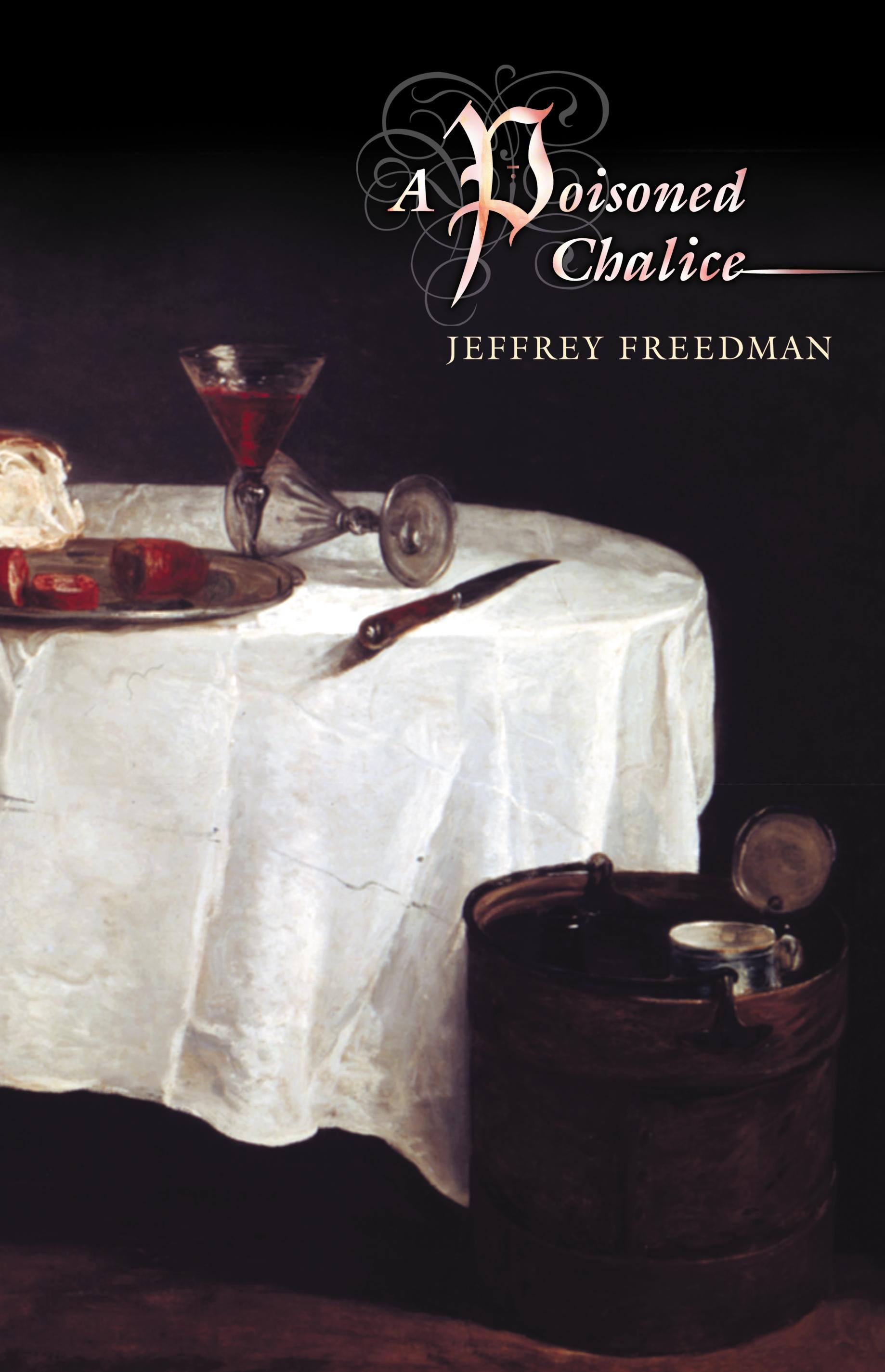
A Poisoned Chalice tells the story of a long-forgotten criminal case: the poisoning of the communion wine in Zurich's main cathedral in 1776. The story is riveting and mysterious, full of bizarre twists and colorful characters--an anti-clerical gravedigger, a hard-drinking drifter, a defrocked minister--who come to life in a series of dramatic criminal trials. But it is also far more than just a good story. In the wider world of German-speaking Europe, writes Jeffrey Freedman, the affair became a cause célèbre, the object of a lively public debate that focused on an issue much on the minds of intellectuals in the age of Enlightenment: the problem of evil.
Contemporaries were unable to ascribe any rational motive to an attempt to poison hundreds of worshippers. Such a crime pointed beyond reason to moral depravity so radical it seemed diabolic. By following contemporaries as they struggled to comprehend an act of inscrutable evil, this book brings to life a key episode in the history of the German Enlightenment--an episode in which the Enlightenment was forced to interrogate the very limits of reason itself.
Twentieth-century horrors have familiarized us with the type of evil that so shocked the men and women of the eighteenth century. Does this familiarity give us any special insight into the affair of the poisoned chalice? In its final chapter, the book takes up this question, reflecting on the nature of historical knowledge through an imaginary dialogue with Enlightenment-era interlocutors. But it does not reach any definitive conclusion about what happened in the Zurich cathedral in 1776. To search for the truth about such a mystery is merely to extend a dialogue begun in the eighteenth century, and that dialogue is as open-ended as the process of Enlightenment itself.
Before Memmo my notes were scattered across PDFs. Now a workspace pulls everything into one place — I see exactly what's still left to study.
Memmo's summaries are gold before exams. I don't have to re-read 800 pages two weeks before — just the important parts.
The AI chat has saved me the night before an exam more than once. I just keep asking until I get it — no waiting on a study group to reply.
The quizzes hit exactly what I need to know. Memmo tracks what I get stuck on — so I only practice what's worth it.
Flashcards with spaced repetition are magic. Memmo knows when I'm about to forget something and brings it back.
The AI podcasts are my favorite. I listen on my way to school and get a recap without sitting at a computer.

Handbok i kvalitativa metoder
281 kr

Hållbar utveckling: en introduktion för ingenjörer och andra problemlösare
334 kr

Brymans Samhällsvetenskapliga metoder
390 kr

Projektledning
491 kr

Den orättvisa hälsan: om socioekonomiska skillnader i hälsa och livslängd
326 kr

Vetenskapsteori för nybörjare
196 kr

Organizational Leadership
429 kr

På väg mot läraryrket
172 kr

Det sociala livet i skolan: Socialpsykologiska perspektiv
253 kr

Betygsättningens didaktik
151 kr

Personality
402 kr

Studying Leadership
404 kr

Managing Innovation
477 kr

Introduktion till samhällsvetenskaplig metod
347 kr

The Psychology of Sex and Gender
698 kr

Evidens och kunskap för socialt arbete
207 kr

Introduction to Leadership
605 kr