
Before Memmo my notes were scattered across PDFs. Now a workspace pulls everything into one place — I see exactly what's still left to study.
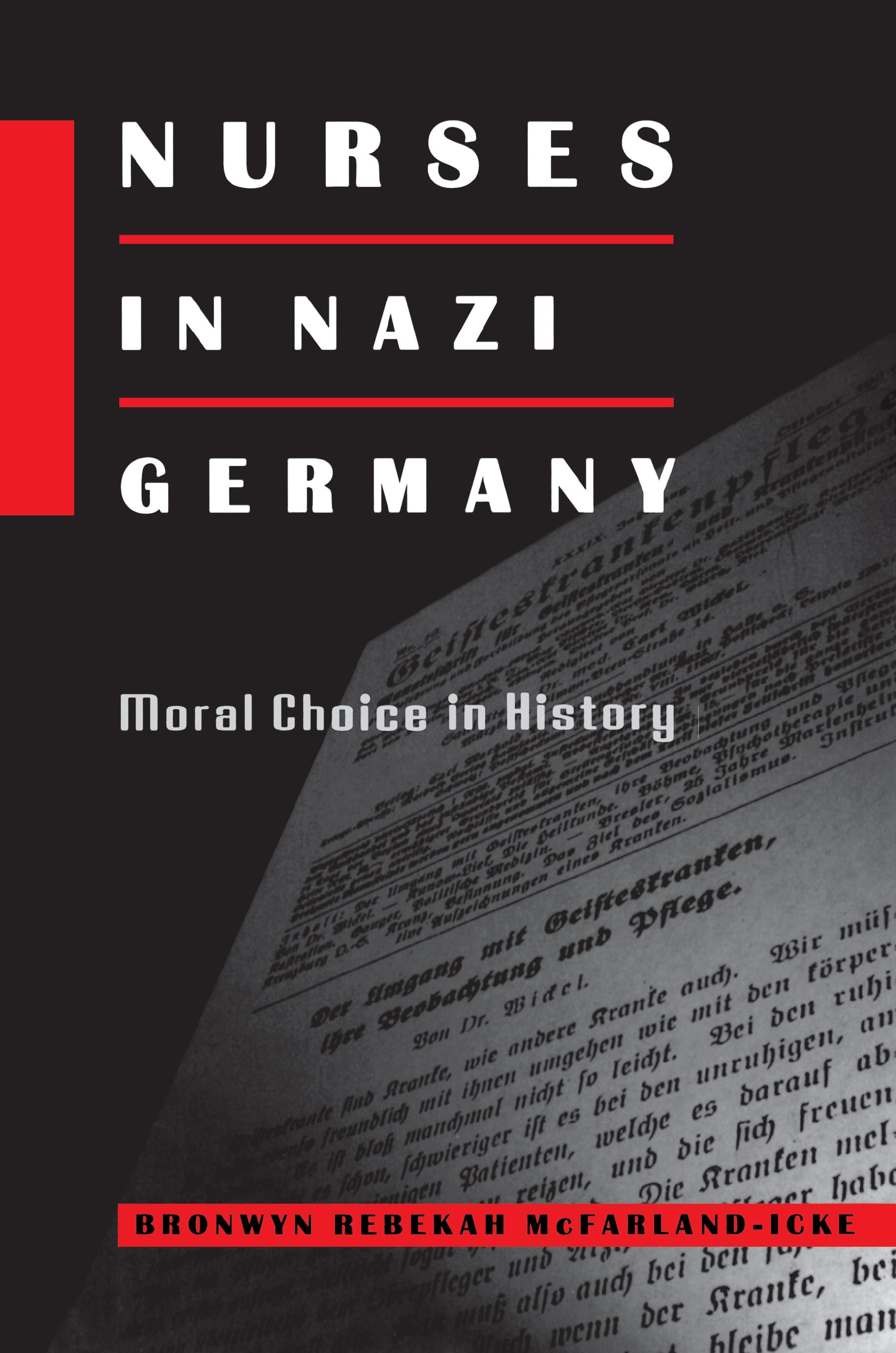
This book tells the story of German nurses who, directly or indirectly, participated in the Nazis' "euthanasia" measures against patients with mental and physical disabilities, measures that claimed well over 100,000 victims from 1939 to 1945. How could men and women who were trained to care for their patients come to kill or assist in murder or mistreatment? This is the central question pursued by Bronwyn McFarland-Icke as she details the lives of nurses from the beginning of the Weimar Republic through the years of National Socialist rule. Rather than examine what the Party did or did not order, she looks into the hearts and minds of people whose complicity in murder is not easily explained with reference to ideological enthusiasm. Her book is a micro-history in which many of the most important ethical, social, and cultural issues at the core of Nazi genocide can be addressed from a fresh perspective.
McFarland-Icke offers gripping descriptions of the conditions and practices associated with psychiatric nursing during these years by mining such sources as nursing guides, personnel records, and postwar trial testimony. Nurses were expected to be conscientious and friendly caretakers despite job stress, low morale, and Nazi propaganda about patients' having "lives unworthy of living." While some managed to cope with this situation, others became abusive. Asylum administrators meanwhile encouraged nurses to perform with as little disruption and personal commentary as possible. So how did nurses react when ordered to participate in, or tolerate, the murder of their patients? Records suggest that some had no conflicts of conscience; others did as they were told with regret; and a few refused. The remarkable accounts of these nurses enable the author to re-create the drama taking place while sharpening her argument concerning the ability and the willingness to choose.
Before Memmo my notes were scattered across PDFs. Now a workspace pulls everything into one place — I see exactly what's still left to study.
Memmo's summaries are gold before exams. I don't have to re-read 800 pages two weeks before — just the important parts.
The AI chat has saved me the night before an exam more than once. I just keep asking until I get it — no waiting on a study group to reply.
The quizzes hit exactly what I need to know. Memmo tracks what I get stuck on — so I only practice what's worth it.
Flashcards with spaced repetition are magic. Memmo knows when I'm about to forget something and brings it back.
The AI podcasts are my favorite. I listen on my way to school and get a recap without sitting at a computer.

Handbok i kvalitativa metoder
281 kr

Hållbar utveckling: en introduktion för ingenjörer och andra problemlösare
334 kr

Brymans Samhällsvetenskapliga metoder
390 kr

Projektledning
491 kr

Den orättvisa hälsan: om socioekonomiska skillnader i hälsa och livslängd
326 kr

Organizational Leadership
429 kr

Vetenskapsteori för nybörjare
196 kr

På väg mot läraryrket
172 kr

Det sociala livet i skolan: Socialpsykologiska perspektiv
253 kr

Betygsättningens didaktik
151 kr

Personality
402 kr

Studying Leadership
404 kr

Managing Innovation
477 kr

Introduktion till samhällsvetenskaplig metod
347 kr

The Psychology of Sex and Gender
698 kr

Evidens och kunskap för socialt arbete
207 kr

Introduction to Leadership
605 kr