
Before Memmo my notes were scattered across PDFs. Now a workspace pulls everything into one place — I see exactly what's still left to study.
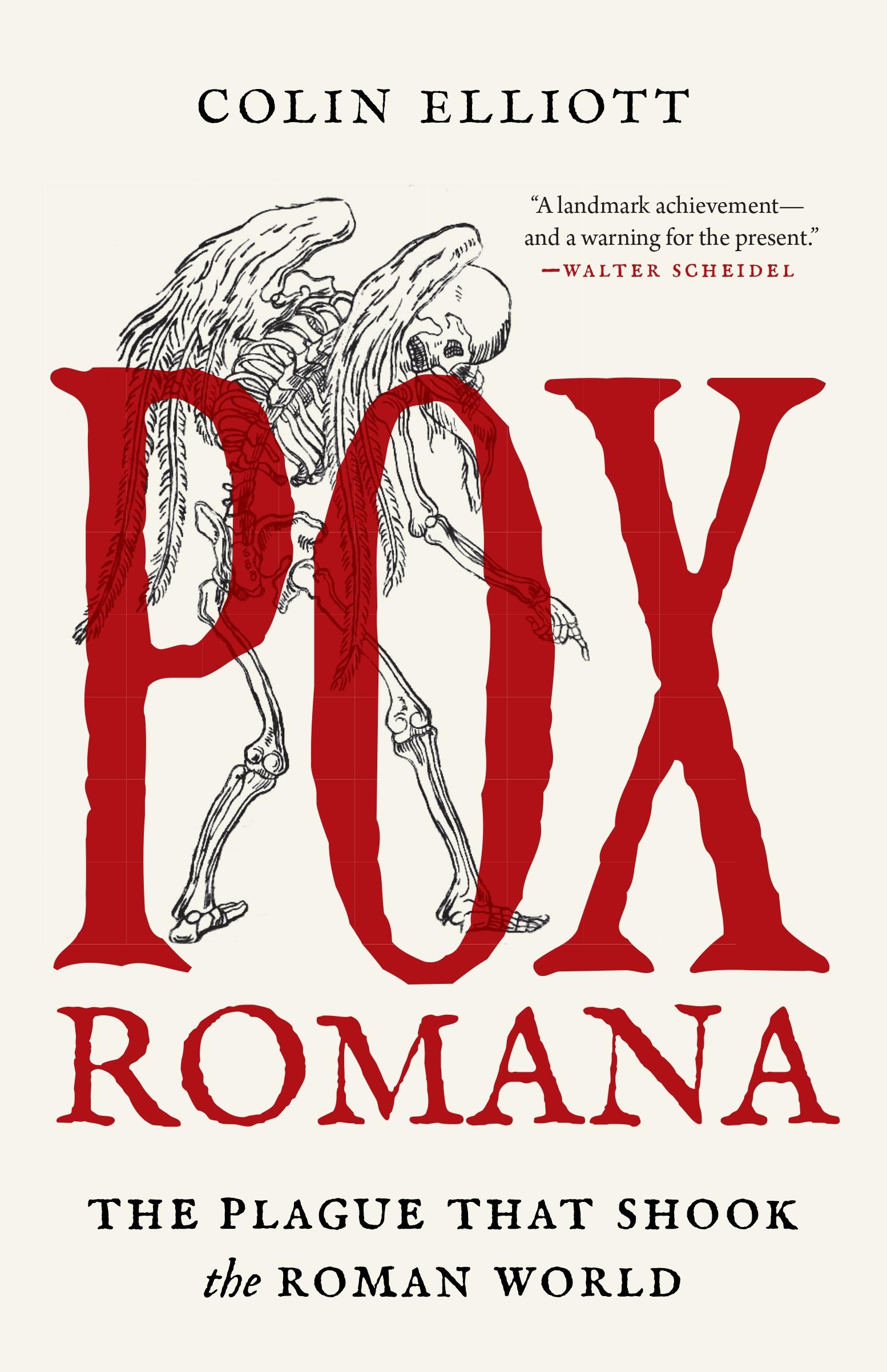
A wide-ranging and dramatic account of the Antonine plague, the mysterious disease that struck the Roman Empire at its pinnacle
In the middle of the second century AD, Rome was at its prosperous and powerful apex. The emperor Marcus Aurelius reigned over a vast territory that stretched from Britain to Egypt. The Roman-made peace, or Pax Romana, seemed to be permanent. Then, apparently out of nowhere, a sudden sickness struck the legions and laid waste to cities, including Rome itself. This fast-spreading disease, now known as the Antonine plague, may have been history’s first pandemic. Soon after its arrival, the Empire began its downward trajectory toward decline and fall. In Pox Romana, historian Colin Elliott offers a comprehensive, wide-ranging account of this pivotal moment in Roman history.
Did a single disease—its origins and diagnosis still a mystery—bring Rome to its knees? Carefully examining all the available evidence, Elliott shows that Rome’s problems were more insidious. Years before the pandemic, the thin veneer of Roman peace and prosperity had begun to crack: the economy was sluggish, the military found itself bogged down in the Balkans and the Middle East, food insecurity led to riots and mass migration, and persecution of Christians intensified. The pandemic exposed the crumbling foundations of a doomed Empire. Arguing that the disease was both cause and effect of Rome’s fall, Elliott describes the plague’s “preexisting conditions” (Rome’s multiple economic, social, and environmental susceptibilities); recounts the history of the outbreak itself through the experiences of physician, victim, and political operator; and explores postpandemic crises. The pandemic’s most transformative power, Elliott suggests, may have been its lingering presence as a threat both real and perceived.
Before Memmo my notes were scattered across PDFs. Now a workspace pulls everything into one place — I see exactly what's still left to study.
Memmo's summaries are gold before exams. I don't have to re-read 800 pages two weeks before — just the important parts.
The AI chat has saved me the night before an exam more than once. I just keep asking until I get it — no waiting on a study group to reply.
The quizzes hit exactly what I need to know. Memmo tracks what I get stuck on — so I only practice what's worth it.
Flashcards with spaced repetition are magic. Memmo knows when I'm about to forget something and brings it back.
The AI podcasts are my favorite. I listen on my way to school and get a recap without sitting at a computer.

Handbok i kvalitativa metoder
281 kr

Hållbar utveckling: en introduktion för ingenjörer och andra problemlösare
334 kr

Brymans Samhällsvetenskapliga metoder
390 kr

Projektledning
491 kr

Den orättvisa hälsan: om socioekonomiska skillnader i hälsa och livslängd
326 kr

Vetenskapsteori för nybörjare
196 kr

Organizational Leadership
429 kr

På väg mot läraryrket
172 kr

Det sociala livet i skolan: Socialpsykologiska perspektiv
253 kr

Betygsättningens didaktik
151 kr

Personality
402 kr

Studying Leadership
404 kr

Managing Innovation
477 kr

Introduktion till samhällsvetenskaplig metod
347 kr

The Psychology of Sex and Gender
698 kr

Evidens och kunskap för socialt arbete
207 kr

Introduction to Leadership
605 kr