
Before Memmo my notes were scattered across PDFs. Now a workspace pulls everything into one place — I see exactly what's still left to study.
How Christian leaders adapted the governmental practices and political thought of their Muslim rulers in the Abbasid caliphate
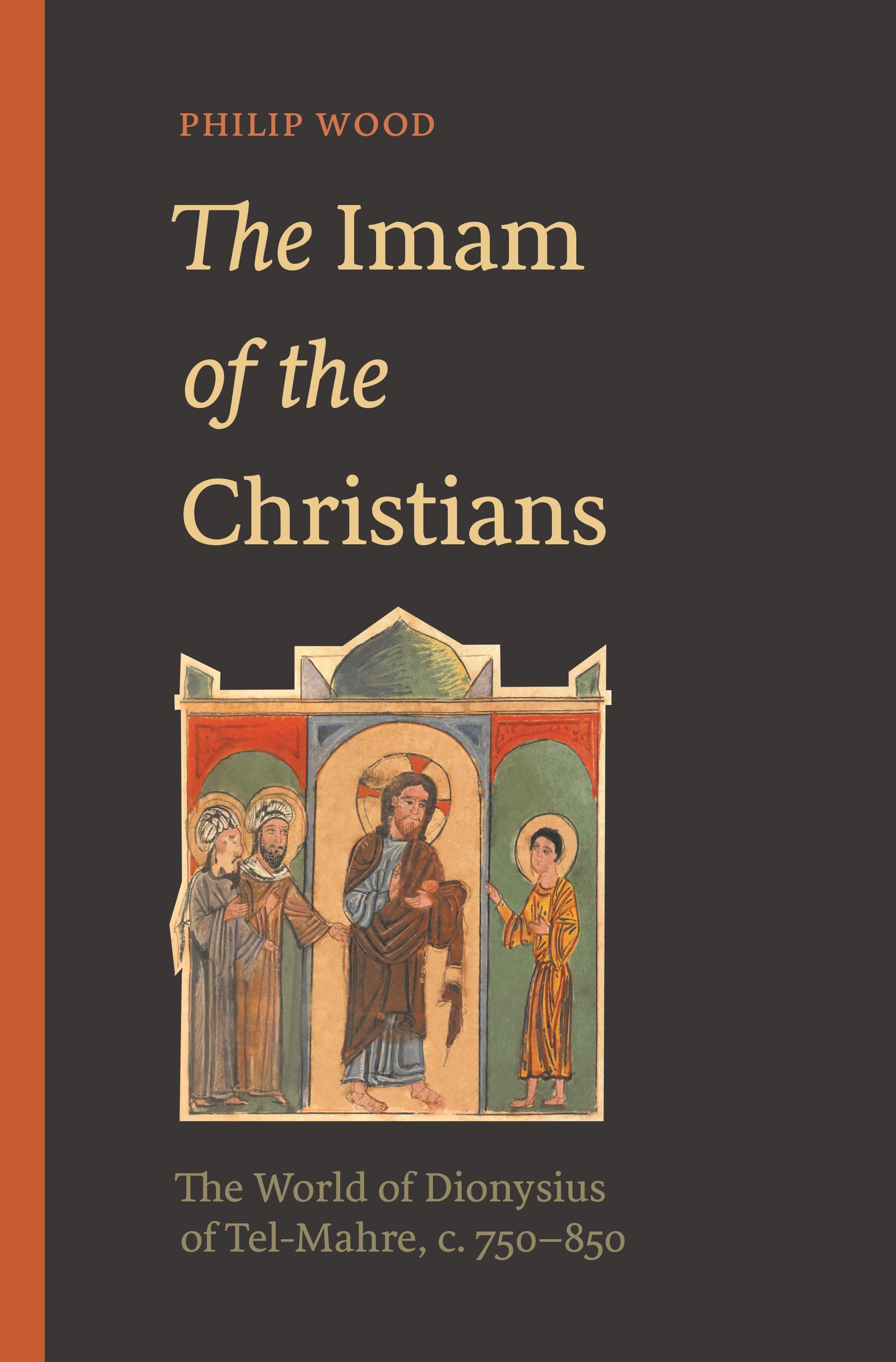
The Imam of the Christians examines how Christian leaders adopted and adapted the political practices and ideas of their Muslim rulers between 750 and 850 in the Abbasid caliphate in the Jazira (modern eastern Turkey and northern Syria). Focusing on the writings of Dionysius of Tel-Mahre, the patriarch of the Jacobite church, Philip Wood describes how this encounter produced an Islamicate Christianity that differed from the Christianities of Byzantium and western Europe in far more than just theology. In doing so, Wood opens a new window on the world of early Islam and Muslims’ interactions with other religious communities.
Wood shows how Dionysius and other Christian clerics, by forging close ties with Muslim elites, were able to command greater power over their coreligionists, such as the right to issue canons regulating the lives of lay people, gather tithes, and use state troops to arrest opponents. In his writings, Dionysius advertises his ease in the courts of ʿAbd Allah ibn Tahir in Raqqa and the caliph al-Ma’mun in Baghdad, presenting himself as an effective advocate for the interests of his fellow Christians because of his knowledge of Arabic and his ability to redeploy Islamic ideas to his own advantage. Strikingly, Dionysius even claims that, like al-Ma’mun, he is an imam since he leads his people in prayer and rules them by popular consent.
A wide-ranging examination of Middle Eastern Christian life during a critical period in the development of Islam, The Imam of the Christians is also a case study of the surprising workings of cultural and religious adaptation.
Before Memmo my notes were scattered across PDFs. Now a workspace pulls everything into one place — I see exactly what's still left to study.
Memmo's summaries are gold before exams. I don't have to re-read 800 pages two weeks before — just the important parts.
The AI chat has saved me the night before an exam more than once. I just keep asking until I get it — no waiting on a study group to reply.
The quizzes hit exactly what I need to know. Memmo tracks what I get stuck on — so I only practice what's worth it.
Flashcards with spaced repetition are magic. Memmo knows when I'm about to forget something and brings it back.
The AI podcasts are my favorite. I listen on my way to school and get a recap without sitting at a computer.

Handbok i kvalitativa metoder
281 kr

Hållbar utveckling: en introduktion för ingenjörer och andra problemlösare
334 kr

Brymans Samhällsvetenskapliga metoder
390 kr

Projektledning
491 kr

Den orättvisa hälsan: om socioekonomiska skillnader i hälsa och livslängd
326 kr

Vetenskapsteori för nybörjare
196 kr

Organizational Leadership
429 kr

På väg mot läraryrket
172 kr

Det sociala livet i skolan: Socialpsykologiska perspektiv
253 kr

Betygsättningens didaktik
151 kr

Personality
402 kr

Studying Leadership
404 kr

Managing Innovation
477 kr

Introduktion till samhällsvetenskaplig metod
347 kr

The Psychology of Sex and Gender
698 kr

Evidens och kunskap för socialt arbete
207 kr

Introduction to Leadership
605 kr