
Before Memmo my notes were scattered across PDFs. Now a workspace pulls everything into one place — I see exactly what's still left to study.
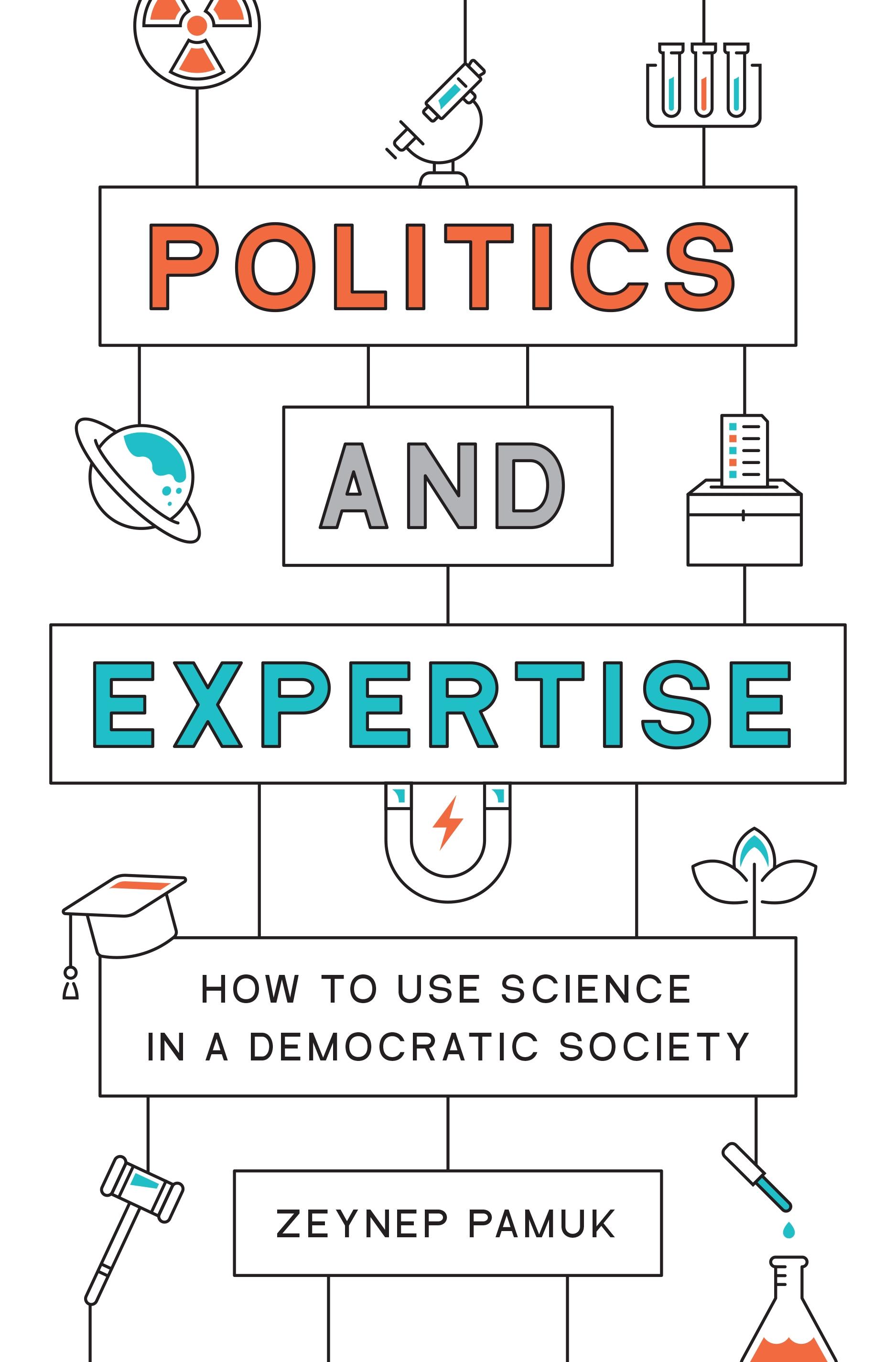
A new model for the relationship between science and democracy that spans policymaking, the funding and conduct of research, and our approach to new technologies
Our ability to act on some of the most pressing issues of our time, from pandemics and climate change to artificial intelligence and nuclear weapons, depends on knowledge provided by scientists and other experts. Meanwhile, contemporary political life is increasingly characterized by problematic responses to expertise, with denials of science on the one hand and complaints about the ignorance of the citizenry on the other.
Politics and Expertise offers a new model for the relationship between science and democracy, rooted in the ways in which scientific knowledge and the political context of its use are imperfect. Zeynep Pamuk starts from the fact that science is uncertain, incomplete, and contested, and shows how scientists’ judgments about what is significant and useful shape the agenda and framing of political decisions. The challenge, Pamuk argues, is to ensure that democracies can expose and contest the assumptions and omissions of scientists, instead of choosing between wholesale acceptance or rejection of expertise. To this end, she argues for institutions that support scientific dissent, proposes an adversarial “science court” to facilitate the public scrutiny of science, reimagines structures for funding scientific research, and provocatively suggests restricting research into dangerous new technologies.
Through rigorous philosophical analysis and fascinating examples, Politics and Expertise moves the conversation beyond the dichotomy between technocracy and populism and develops a better answer for how to govern and use science democratically.
Before Memmo my notes were scattered across PDFs. Now a workspace pulls everything into one place — I see exactly what's still left to study.
Memmo's summaries are gold before exams. I don't have to re-read 800 pages two weeks before — just the important parts.
The AI chat has saved me the night before an exam more than once. I just keep asking until I get it — no waiting on a study group to reply.
The quizzes hit exactly what I need to know. Memmo tracks what I get stuck on — so I only practice what's worth it.
Flashcards with spaced repetition are magic. Memmo knows when I'm about to forget something and brings it back.
The AI podcasts are my favorite. I listen on my way to school and get a recap without sitting at a computer.

Handbok i kvalitativa metoder
281 kr

Hållbar utveckling: en introduktion för ingenjörer och andra problemlösare
334 kr

Brymans Samhällsvetenskapliga metoder
390 kr

Projektledning
491 kr

Den orättvisa hälsan: om socioekonomiska skillnader i hälsa och livslängd
326 kr

Vetenskapsteori för nybörjare
196 kr

Organizational Leadership
429 kr

På väg mot läraryrket
172 kr

Det sociala livet i skolan: Socialpsykologiska perspektiv
253 kr

Betygsättningens didaktik
151 kr

Personality
402 kr

Studying Leadership
404 kr

Managing Innovation
477 kr

Introduktion till samhällsvetenskaplig metod
347 kr

The Psychology of Sex and Gender
698 kr

Evidens och kunskap för socialt arbete
207 kr

Introduction to Leadership
605 kr