
Before Memmo my notes were scattered across PDFs. Now a workspace pulls everything into one place — I see exactly what's still left to study.
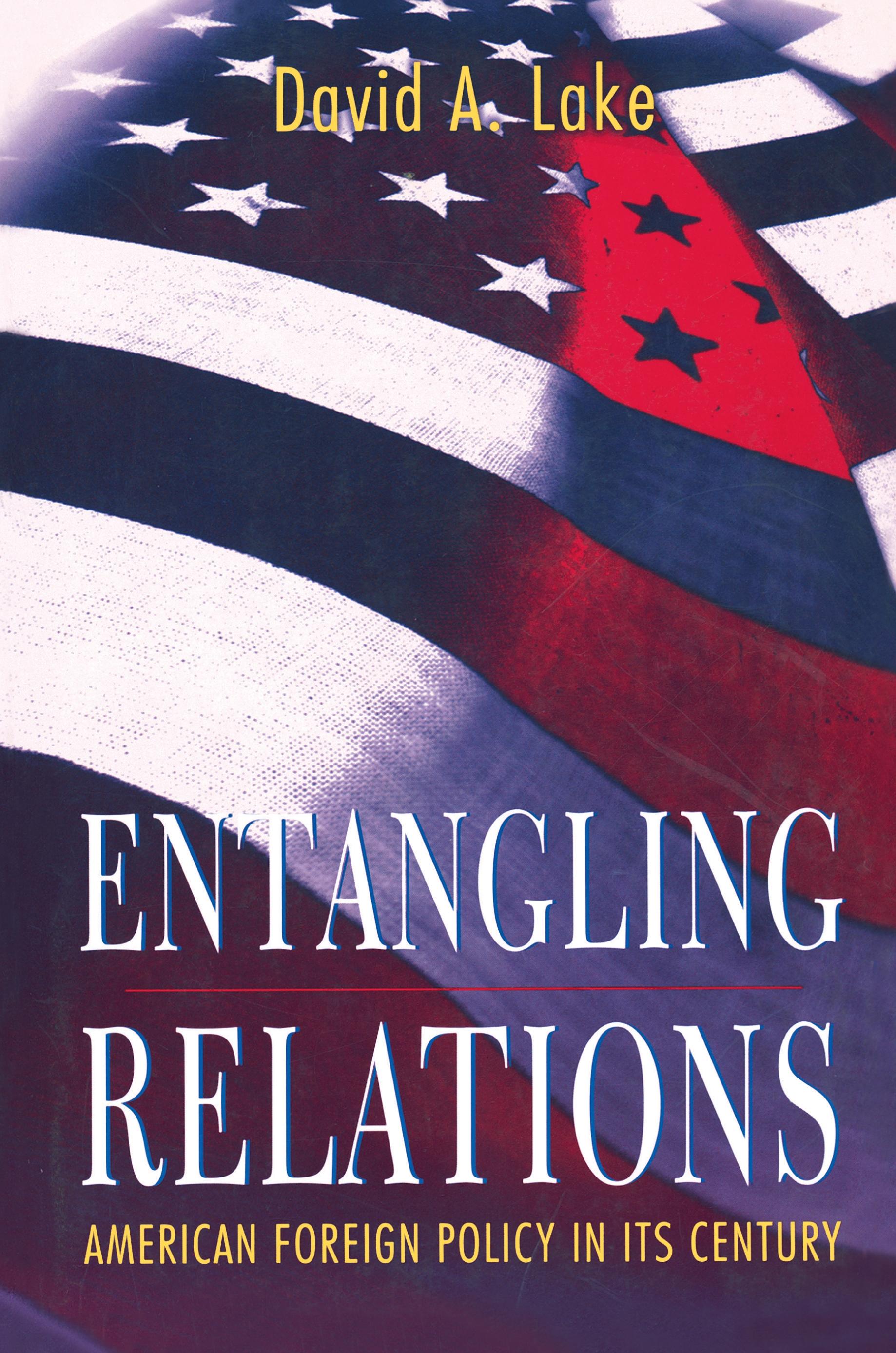
Throughout what publisher Henry Luce dubbed the "American century," the United States has wrestled with two central questions. Should it pursue its security unilaterally or in cooperation with others? If the latter, how can its interests be best protected against opportunism by untrustworthy partners? In a major attempt to explain security relations from an institutionalist approach, David A. Lake shows how the answers to these questions have differed after World War I, during the Cold War, and today. In the debate over whether to join the League of Nations, the United States reaffirmed its historic policy of unilateralism. After World War II, however, it broke decisively with tradition and embraced a new policy of cooperation with partners in Europe and Asia. Today, the United States is pursuing a new strategy of cooperation, forming ad hoc coalitions and evincing an unprecedented willingness to shape but then work within the prevailing international consensus on the appropriate goals and means of foreign policy.
In interpreting these three defining moments of American foreign policy, Lake draws on theories of relational contracting and poses a general theory of security relationships. He arrays the variety of possible security relationships on a continuum from anarchy to hierarchy, and explains actual relations as a function of three key variables: the benefits from pooling security resources and efforts with others, the expected costs of opportunistic behavior by partners, and governance costs. Lake systematically applies this theory to each of the "defining moments" of twentieth-century American foreign policy and develops its broader implications for the study of international relations.
Before Memmo my notes were scattered across PDFs. Now a workspace pulls everything into one place — I see exactly what's still left to study.
Memmo's summaries are gold before exams. I don't have to re-read 800 pages two weeks before — just the important parts.
The AI chat has saved me the night before an exam more than once. I just keep asking until I get it — no waiting on a study group to reply.
The quizzes hit exactly what I need to know. Memmo tracks what I get stuck on — so I only practice what's worth it.
Flashcards with spaced repetition are magic. Memmo knows when I'm about to forget something and brings it back.
The AI podcasts are my favorite. I listen on my way to school and get a recap without sitting at a computer.

Handbok i kvalitativa metoder
281 kr

Hållbar utveckling: en introduktion för ingenjörer och andra problemlösare
334 kr

Brymans Samhällsvetenskapliga metoder
390 kr

Projektledning
491 kr

Den orättvisa hälsan: om socioekonomiska skillnader i hälsa och livslängd
326 kr

Vetenskapsteori för nybörjare
196 kr

Organizational Leadership
429 kr

På väg mot läraryrket
172 kr

Det sociala livet i skolan: Socialpsykologiska perspektiv
253 kr

Betygsättningens didaktik
151 kr

Personality
402 kr

Studying Leadership
404 kr

Managing Innovation
477 kr

Introduktion till samhällsvetenskaplig metod
347 kr

The Psychology of Sex and Gender
698 kr

Evidens och kunskap för socialt arbete
207 kr

Introduction to Leadership
605 kr