
Before Memmo my notes were scattered across PDFs. Now a workspace pulls everything into one place — I see exactly what's still left to study.
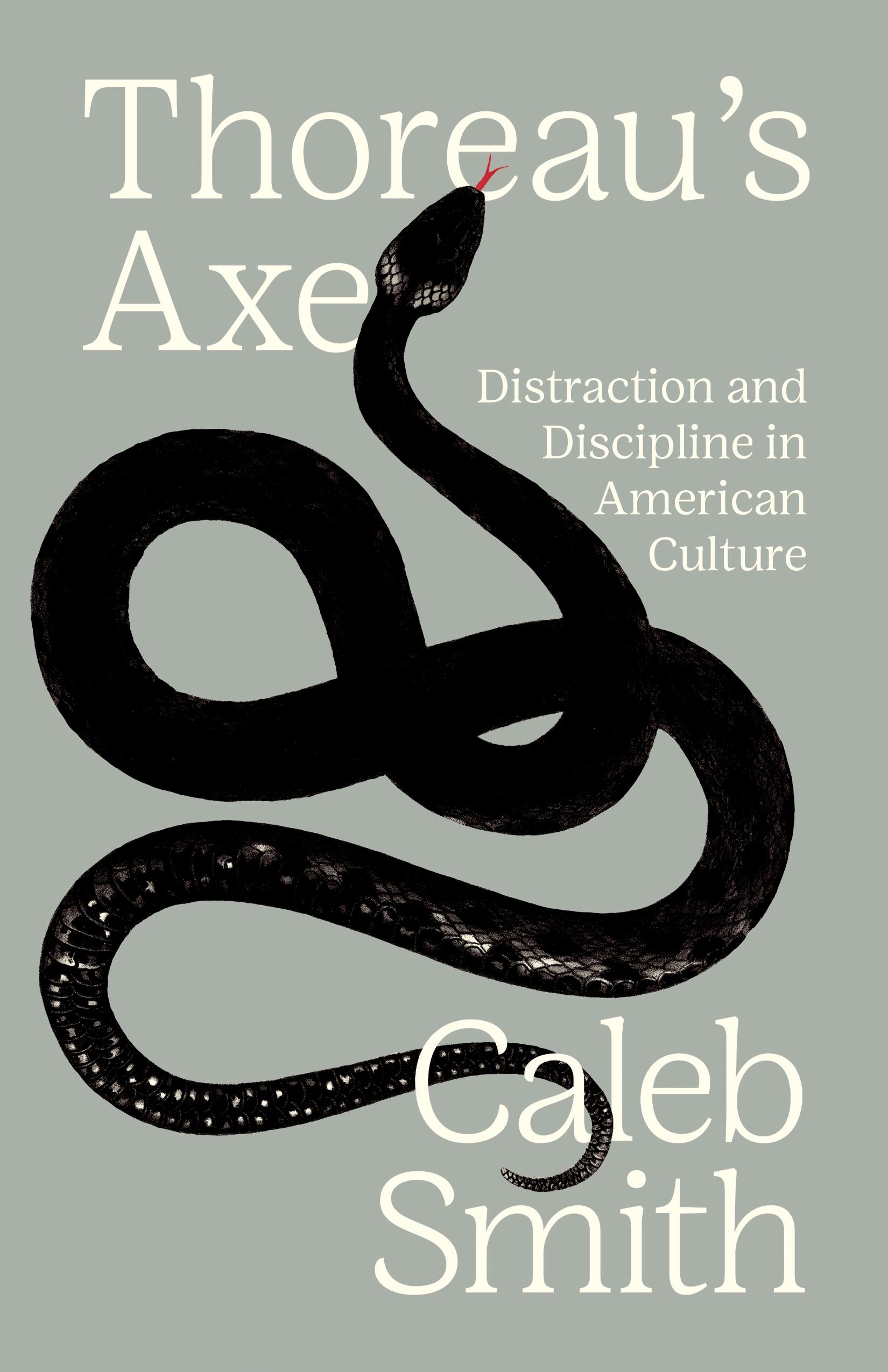
How nineteenth-century “disciplines of attention” anticipated the contemporary concern with mindfulness and being “spiritual but not religious”
Today, we’re driven to distraction, our attention overwhelmed by the many demands upon it—most of which emanate from our beeping and blinking digital devices. This may seem like a decidedly twenty-first-century problem, but, as Caleb Smith shows in this elegantly written, meditative work, distraction was also a serious concern in American culture two centuries ago. In Thoreau’s Axe, Smith explores the strange, beautiful archives of the nineteenth-century attention revival—from a Protestant minister’s warning against frivolous thoughts to Thoreau’s reflections on wakefulness at Walden Pond. Smith examines how Americans came to embrace attention, mindfulness, and other ways of being “spiritual but not religious,” and how older Christian ideas about temptation and spiritual devotion endure in our modern ideas about distraction and attention.
Smith explains that nineteenth-century worries over attention developed in response to what were seen as the damaging mental effects of new technologies and economic systems. A “wandering mind,” once diagnosed, was in need of therapy or rehabilitation. Modeling his text after nineteenth-century books of devotion, Smith offers close readings of twenty-eight short passages about attention. Considering social reformers who designed moral training for the masses, religious leaders who organized Christian revivals, and spiritual seekers like Thoreau who experimented with regimens of simplified living and transcendental mysticism, Smith shows how disciplines of attention became the spiritual exercises of a distracted age.
Before Memmo my notes were scattered across PDFs. Now a workspace pulls everything into one place — I see exactly what's still left to study.
Memmo's summaries are gold before exams. I don't have to re-read 800 pages two weeks before — just the important parts.
The AI chat has saved me the night before an exam more than once. I just keep asking until I get it — no waiting on a study group to reply.
The quizzes hit exactly what I need to know. Memmo tracks what I get stuck on — so I only practice what's worth it.
Flashcards with spaced repetition are magic. Memmo knows when I'm about to forget something and brings it back.
The AI podcasts are my favorite. I listen on my way to school and get a recap without sitting at a computer.

Handbok i kvalitativa metoder
281 kr

Hållbar utveckling: en introduktion för ingenjörer och andra problemlösare
334 kr

Brymans Samhällsvetenskapliga metoder
390 kr

Projektledning
491 kr

Den orättvisa hälsan: om socioekonomiska skillnader i hälsa och livslängd
326 kr

Vetenskapsteori för nybörjare
196 kr

Organizational Leadership
429 kr

På väg mot läraryrket
172 kr

Det sociala livet i skolan: Socialpsykologiska perspektiv
253 kr

Betygsättningens didaktik
151 kr

Personality
402 kr

Studying Leadership
404 kr

Managing Innovation
477 kr

Introduktion till samhällsvetenskaplig metod
347 kr

The Psychology of Sex and Gender
698 kr

Evidens och kunskap för socialt arbete
207 kr

Introduction to Leadership
605 kr