
Before Memmo my notes were scattered across PDFs. Now a workspace pulls everything into one place — I see exactly what's still left to study.
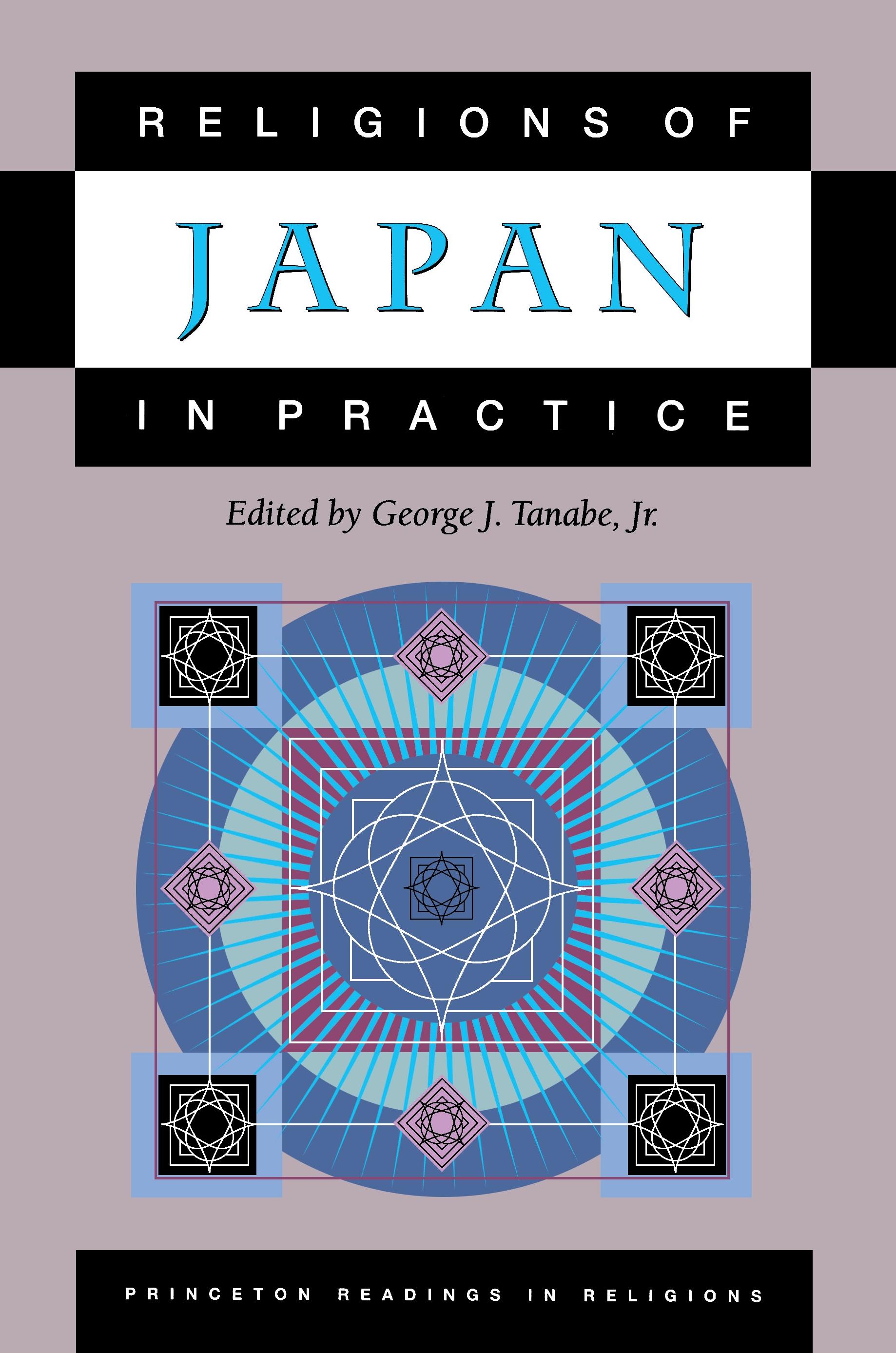
This anthology reflects a range of Japanese religions in their complex, sometimes conflicting, diversity. In the tradition of the Princeton Readings in Religions series, the collection presents documents (legends and miracle tales, hagiographies, ritual prayers and ceremonies, sermons, reform treatises, doctrinal tracts, historical and ethnographic writings), most of which have been translated for the first time here, that serve to illuminate the mosaic of Japanese religions in practice.
George Tanabe provides a lucid introduction to the "patterned confusion" of Japan's religious practices. He has ordered the anthology's forty-five readings under the categories of "Ethical Practices," "Ritual Practices," and "Institutional Practices," moving beyond the traditional classifications of chronology, religious traditions (Shinto, Confucianism, Buddhism, etc.), and sects, and illuminating the actual orientation of people who engage in religious practices. Within the anthology's three broad categories, subdivisions address the topics of social values, clerical and lay precepts, gods, spirits, rituals of realization, faith, court and emperor, sectarian founders, wizards, and heroes, orthopraxis and orthodoxy, and special places. Dating from the eighth through the twentieth centuries, the documents are revealed to be open to various and evolving interpretations, their meanings dependent not only on how they are placed in context but also on how individual researchers read them. Each text is preceded by an introductory explanation of the text's essence, written by its translator. Instructors and students will find these explications useful starting points for their encounters with the varied worlds of practice within which the texts interact with readers and changing contexts.
Religions of Japan in Practice is a compendium of relationships between great minds and ordinary people, abstruse theories and mundane acts, natural and supernatural powers, altruism and self-interest, disappointment and hope, quiescence and war. It is an indispensable sourcebook for scholars, students, and general readers seeking engagement with the fertile "ordered disorder" of religious practice in Japan.
Before Memmo my notes were scattered across PDFs. Now a workspace pulls everything into one place — I see exactly what's still left to study.
Memmo's summaries are gold before exams. I don't have to re-read 800 pages two weeks before — just the important parts.
The AI chat has saved me the night before an exam more than once. I just keep asking until I get it — no waiting on a study group to reply.
The quizzes hit exactly what I need to know. Memmo tracks what I get stuck on — so I only practice what's worth it.
Flashcards with spaced repetition are magic. Memmo knows when I'm about to forget something and brings it back.
The AI podcasts are my favorite. I listen on my way to school and get a recap without sitting at a computer.

Handbok i kvalitativa metoder
281 kr

Hållbar utveckling: en introduktion för ingenjörer och andra problemlösare
334 kr

Brymans Samhällsvetenskapliga metoder
390 kr

Projektledning
491 kr

Den orättvisa hälsan: om socioekonomiska skillnader i hälsa och livslängd
326 kr

Vetenskapsteori för nybörjare
196 kr

Organizational Leadership
429 kr

På väg mot läraryrket
172 kr

Det sociala livet i skolan: Socialpsykologiska perspektiv
253 kr

Betygsättningens didaktik
151 kr

Personality
402 kr

Studying Leadership
404 kr

Managing Innovation
477 kr

Introduktion till samhällsvetenskaplig metod
347 kr

The Psychology of Sex and Gender
698 kr

Evidens och kunskap för socialt arbete
207 kr

Introduction to Leadership
605 kr