
Before Memmo my notes were scattered across PDFs. Now a workspace pulls everything into one place — I see exactly what's still left to study.
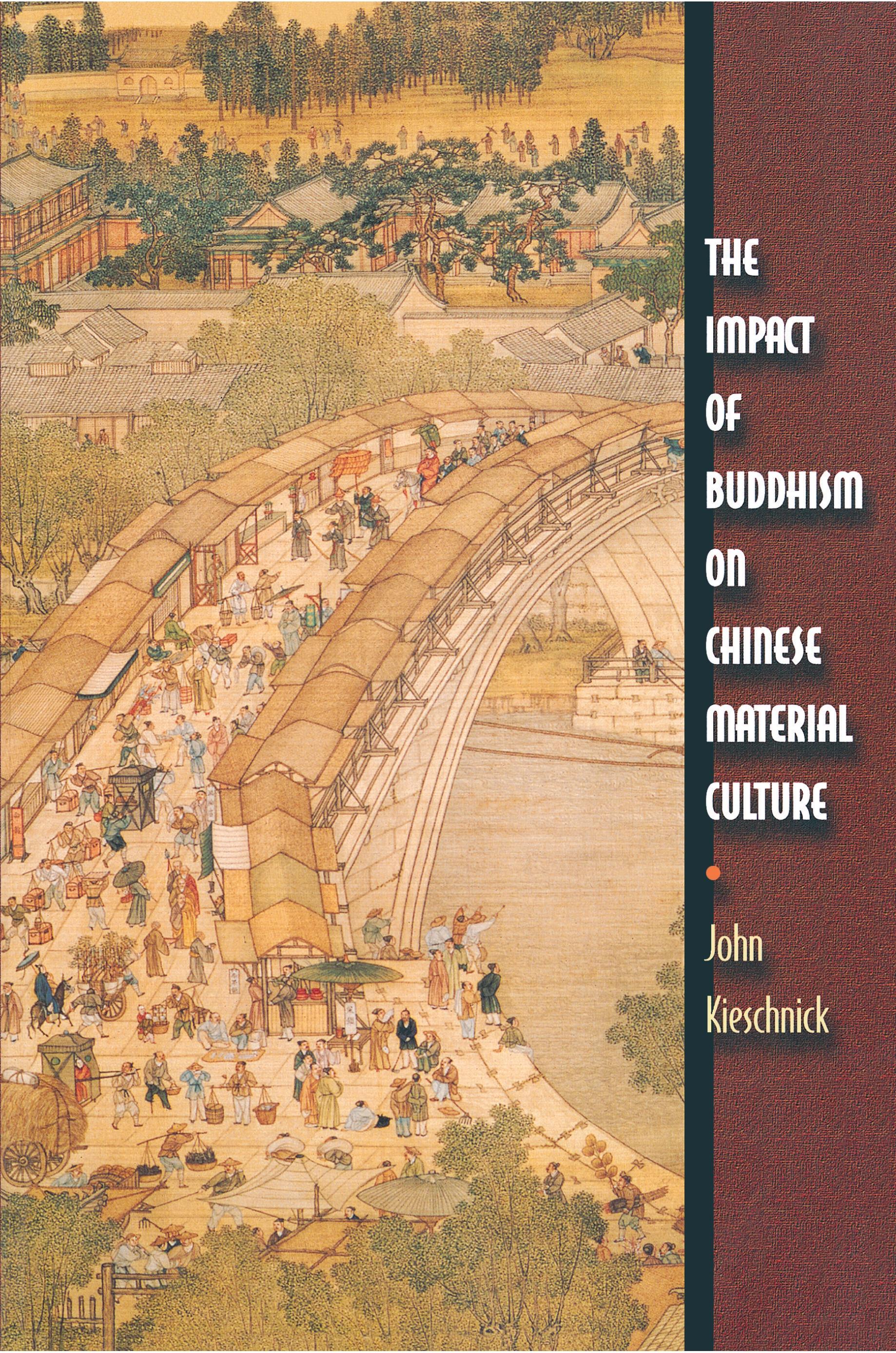
From the first century, when Buddhism entered China, the foreign religion shaped Chinese philosophy, beliefs, and ritual. At the same time, Buddhism had a profound effect on the material world of the Chinese. This wide-ranging study shows that Buddhism brought with it a vast array of objects big and small--relics treasured as parts of the body of the Buddha, prayer beads, and monastic clothing--as well as new ideas about what objects could do and how they should be treated. Kieschnick argues that even some everyday objects not ordinarily associated with Buddhism--bridges, tea, and the chair--on closer inspection turn out to have been intimately tied to Buddhist ideas and practices. Long after Buddhism ceased to be a major force in India, it continued to influence the development of material culture in China, as it does to the present day.
At first glance, this seems surprising. Many Buddhist scriptures and thinkers rejected the material world or even denied its existence with great enthusiasm and sophistication. Others, however, from Buddhist philosophers to ordinary devotees, embraced objects as a means of expressing religious sentiments and doctrines. What was a sad sign of compromise and decline for some was seen as strength and versatility by others. Yielding rich insights through its innovative analysis of particular types of objects, this briskly written book is the first to systematically examine the ambivalent relationship, in the Chinese context, between Buddhism and material culture.
Before Memmo my notes were scattered across PDFs. Now a workspace pulls everything into one place — I see exactly what's still left to study.
Memmo's summaries are gold before exams. I don't have to re-read 800 pages two weeks before — just the important parts.
The AI chat has saved me the night before an exam more than once. I just keep asking until I get it — no waiting on a study group to reply.
The quizzes hit exactly what I need to know. Memmo tracks what I get stuck on — so I only practice what's worth it.
Flashcards with spaced repetition are magic. Memmo knows when I'm about to forget something and brings it back.
The AI podcasts are my favorite. I listen on my way to school and get a recap without sitting at a computer.

Handbok i kvalitativa metoder
281 kr

Hållbar utveckling: en introduktion för ingenjörer och andra problemlösare
334 kr

Brymans Samhällsvetenskapliga metoder
390 kr

Projektledning
491 kr

Den orättvisa hälsan: om socioekonomiska skillnader i hälsa och livslängd
326 kr

Vetenskapsteori för nybörjare
196 kr

Organizational Leadership
429 kr

På väg mot läraryrket
172 kr

Det sociala livet i skolan: Socialpsykologiska perspektiv
253 kr

Betygsättningens didaktik
151 kr

Personality
402 kr

Studying Leadership
404 kr

Managing Innovation
477 kr

Introduktion till samhällsvetenskaplig metod
347 kr

The Psychology of Sex and Gender
698 kr

Evidens och kunskap för socialt arbete
207 kr

Introduction to Leadership
605 kr