
Before Memmo my notes were scattered across PDFs. Now a workspace pulls everything into one place — I see exactly what's still left to study.
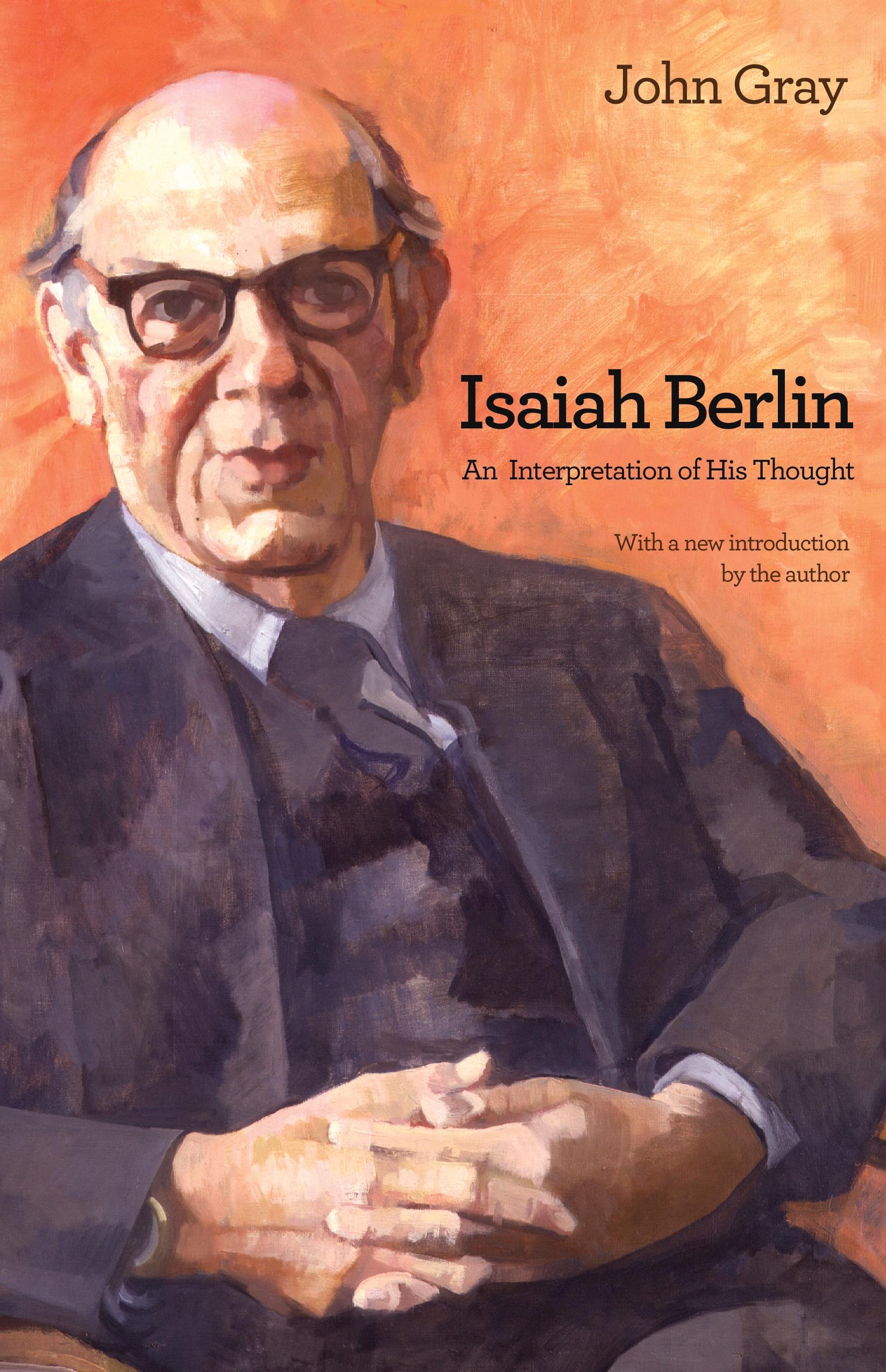
Isaiah Berlin (1909-1997) was the greatest intellectual historian of the twentieth century. But his work also made an original and important contribution to moral and political philosophy and to liberal theory.
In 1921, at the age of eleven, Isaiah Berlin arrived in England from Riga, Latvia. By the time he was thirty he was at the heart of British intellectual life. He has remained its commanding presence ever since, and few would dispute that he was one of Britain's greatest thinkers. His reputation extends worldwide--as a great conversationalist, intellectual historian, and man of letters. He has been called the century's most inspired reader.
Yet Berlin's contributions to thought--in particular to moral and political philosophy, and to liberal theory--are little understood, and surprisingly neglected by the academic world. In this book, they are shown to be animated by a single, powerful, subversive idea: value-pluralism which affirms the reality of a deep conflict between ultimate human values that reason cannot resolve. Though bracingly clear-headed, humane and realist, Berlin's value-pluralism runs against the dominant Western traditions, secular and religious, which avow an ultimate harmony of values. It supports a highly distinctive restatement of liberalism in Berlin's work--an agnostic liberalism, which is founded not on rational choice but on the radical choices we make when faced with intractable dilemmas. It is this new statement of liberalism, the central subject of John Gray's lively and lucid book, which gives the liberal intellectual tradition a new lease on life, a new source of life, and which comprises Berlin's central and enduring legacy.
In a new introduction, Gray argues that, in a world in which human freedom has spread more slowly than democracy, Berlin's account of liberty and basic decency is more instructive and useful than ever.
Before Memmo my notes were scattered across PDFs. Now a workspace pulls everything into one place — I see exactly what's still left to study.
Memmo's summaries are gold before exams. I don't have to re-read 800 pages two weeks before — just the important parts.
The AI chat has saved me the night before an exam more than once. I just keep asking until I get it — no waiting on a study group to reply.
The quizzes hit exactly what I need to know. Memmo tracks what I get stuck on — so I only practice what's worth it.
Flashcards with spaced repetition are magic. Memmo knows when I'm about to forget something and brings it back.
The AI podcasts are my favorite. I listen on my way to school and get a recap without sitting at a computer.

Handbok i kvalitativa metoder
281 kr

Hållbar utveckling: en introduktion för ingenjörer och andra problemlösare
334 kr

Brymans Samhällsvetenskapliga metoder
390 kr

Projektledning
491 kr

Den orättvisa hälsan: om socioekonomiska skillnader i hälsa och livslängd
326 kr

Organizational Leadership
429 kr

Vetenskapsteori för nybörjare
196 kr

På väg mot läraryrket
172 kr

Det sociala livet i skolan: Socialpsykologiska perspektiv
253 kr

Betygsättningens didaktik
151 kr

Personality
402 kr

Studying Leadership
404 kr

Managing Innovation
477 kr

Introduktion till samhällsvetenskaplig metod
347 kr

The Psychology of Sex and Gender
698 kr

Evidens och kunskap för socialt arbete
207 kr

Introduction to Leadership
605 kr