
Before Memmo my notes were scattered across PDFs. Now a workspace pulls everything into one place — I see exactly what's still left to study.
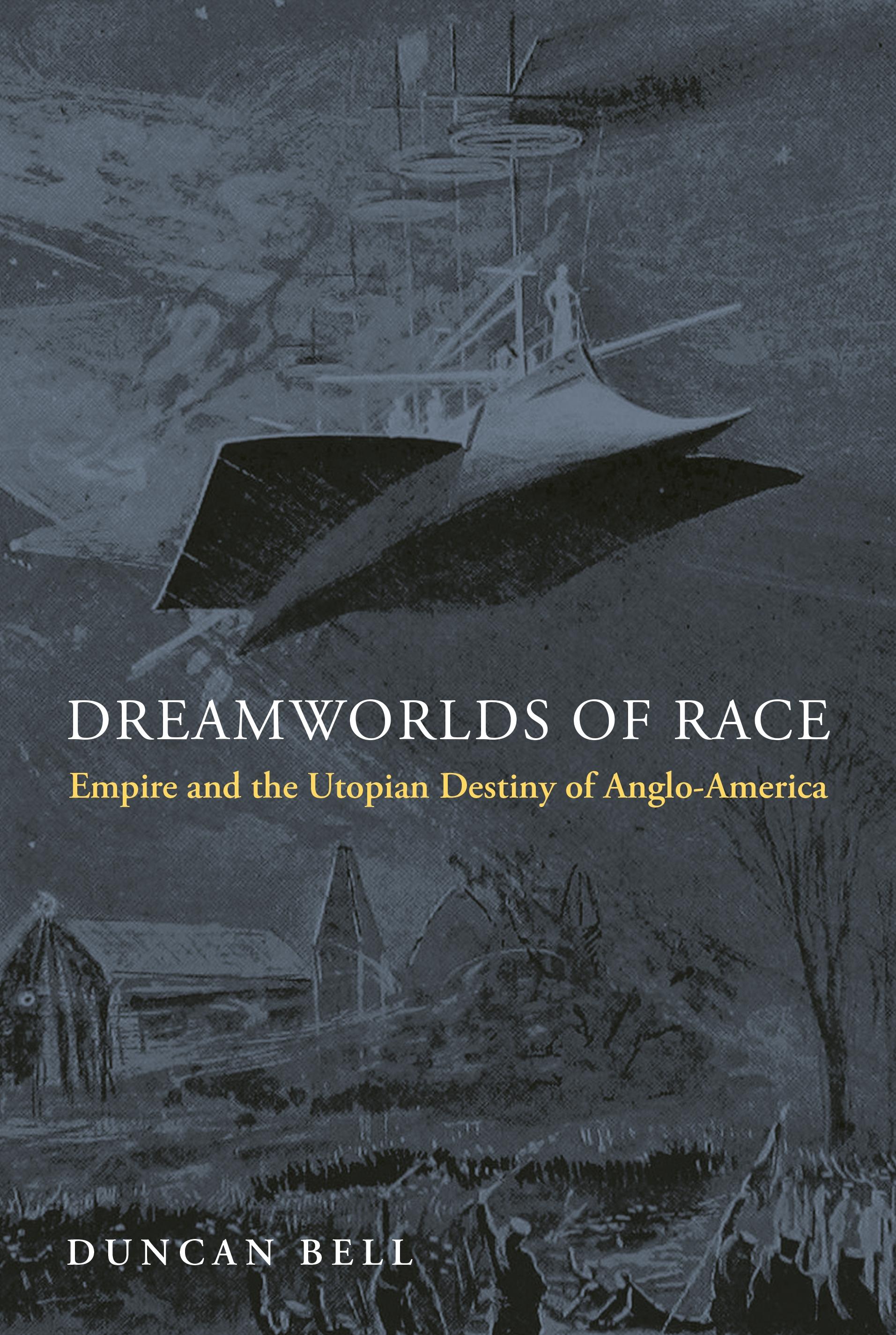
How transatlantic thinkers in the late nineteenth and early twentieth centuries promoted the unification of Britain and the United States
Between the late nineteenth century and the First World War an ocean-spanning network of prominent individuals advocated the unification of Britain and the United States. They dreamt of the final consolidation of the Angloworld. Scholars, journalists, politicians, businessmen, and science fiction writers invested the “Anglo-Saxons” with extraordinary power. The most ambitious hailed them as a people destined to bring peace and justice to the earth. More modest visions still imagined them as likely to shape the twentieth century. Dreamworlds of Race explores this remarkable moment in the intellectual history of racial domination, political utopianism, and world order.
Focusing on a quartet of extraordinary figures—Andrew Carnegie, W. T. Stead, Cecil J. Rhodes, and H. G. Wells—Duncan Bell shows how unionists on both sides of the Atlantic reimagined citizenship, empire, patriotism, race, war, and peace in their quest to secure global supremacy. Yet even as they dreamt of an Anglo-dominated world, the unionists disagreed over the meaning of race, the legitimacy of imperialism, the nature of political belonging, and the ultimate form and purpose of unification. The racial dreamworld was an object of competing claims and fantasies. Exploring speculative fiction as well as more conventional forms of political writing, Bell reads unionist arguments as expressions of the utopianism circulating through fin-de-siècle Anglo-American culture, and juxtaposes them with pan-Africanist critiques of racial domination and late twentieth-century fictional narratives of Anglo-American empire.
Tracing how intellectual elites promoted an ambitious project of political and racial unification between Britain and the United States, Dreamworlds of Race analyzes ideas of empire and world order that reverberate to this day.
Before Memmo my notes were scattered across PDFs. Now a workspace pulls everything into one place — I see exactly what's still left to study.
Memmo's summaries are gold before exams. I don't have to re-read 800 pages two weeks before — just the important parts.
The AI chat has saved me the night before an exam more than once. I just keep asking until I get it — no waiting on a study group to reply.
The quizzes hit exactly what I need to know. Memmo tracks what I get stuck on — so I only practice what's worth it.
Flashcards with spaced repetition are magic. Memmo knows when I'm about to forget something and brings it back.
The AI podcasts are my favorite. I listen on my way to school and get a recap without sitting at a computer.

Handbok i kvalitativa metoder
281 kr

Hållbar utveckling: en introduktion för ingenjörer och andra problemlösare
334 kr

Brymans Samhällsvetenskapliga metoder
390 kr

Projektledning
491 kr

Den orättvisa hälsan: om socioekonomiska skillnader i hälsa och livslängd
326 kr

Vetenskapsteori för nybörjare
196 kr

Organizational Leadership
429 kr

På väg mot läraryrket
172 kr

Det sociala livet i skolan: Socialpsykologiska perspektiv
253 kr

Betygsättningens didaktik
151 kr

Personality
402 kr

Studying Leadership
404 kr

Managing Innovation
477 kr

Introduktion till samhällsvetenskaplig metod
347 kr

The Psychology of Sex and Gender
698 kr

Evidens och kunskap för socialt arbete
207 kr

Introduction to Leadership
605 kr