
Before Memmo my notes were scattered across PDFs. Now a workspace pulls everything into one place — I see exactly what's still left to study.
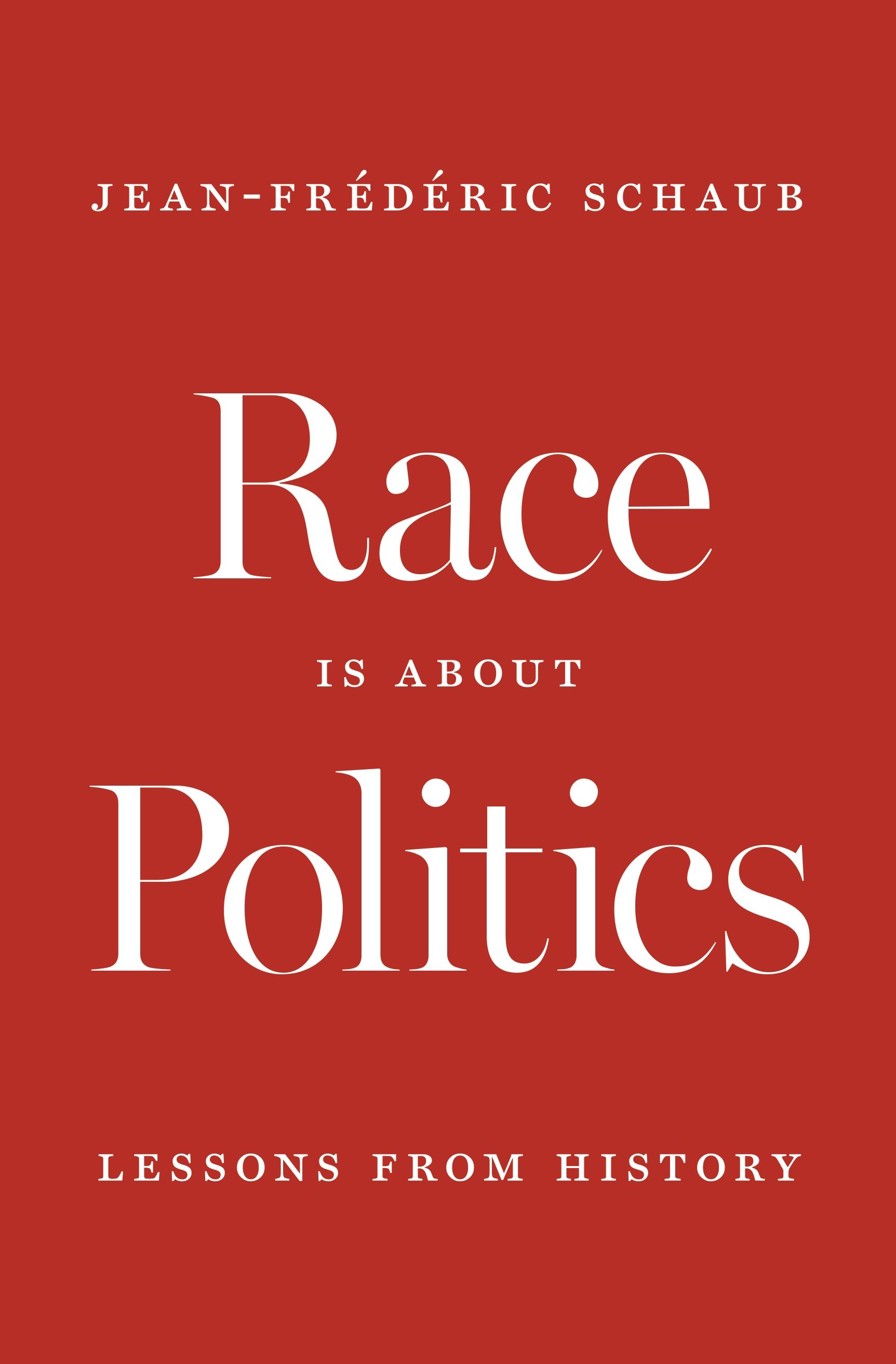
How the history of racism without visible differences between people challenges our understanding of the history of racial thinking
Racial divisions have returned to the forefront of politics in the United States and European societies, making it more important than ever to understand race and racism. But do we? In this original and provocative book, acclaimed historian Jean-Frédéric Schaub shows that we don't—and that we need to rethink the widespread assumption that racism is essentially a modern form of discrimination based on skin color and other visible differences. On the contrary, Schaub argues that to understand racism we must look at historical episodes of collective discrimination where there was no visible difference between people. Built around notions of identity and otherness, race is above all a political tool that must be understood in the context of its historical origins.
Although scholars agree that races don't exist except as ideological constructions, they disagree about when these ideologies emerged. Drawing on historical research from the early modern period to today, Schaub makes the case that the key turning point in the political history of race in the West occurred not with the Atlantic slave trade and American slavery, as many historians have argued, but much earlier, in fifteenth-century Spain and Portugal, with the racialization of Christians of Jewish and Muslim origin. These Christians were discriminated against under the new idea that they had negative social and moral traits that were passed from generation to generation through blood, semen, or milk—an idea whose legacy has persisted through the age of empires to today.
Challenging widespread definitions of race and offering a new chronology of racial thinking, Schaub shows why race must always be understood in the context of its political history.
Before Memmo my notes were scattered across PDFs. Now a workspace pulls everything into one place — I see exactly what's still left to study.
Memmo's summaries are gold before exams. I don't have to re-read 800 pages two weeks before — just the important parts.
The AI chat has saved me the night before an exam more than once. I just keep asking until I get it — no waiting on a study group to reply.
The quizzes hit exactly what I need to know. Memmo tracks what I get stuck on — so I only practice what's worth it.
Flashcards with spaced repetition are magic. Memmo knows when I'm about to forget something and brings it back.
The AI podcasts are my favorite. I listen on my way to school and get a recap without sitting at a computer.

Handbok i kvalitativa metoder
281 kr

Hållbar utveckling: en introduktion för ingenjörer och andra problemlösare
334 kr

Brymans Samhällsvetenskapliga metoder
390 kr

Projektledning
491 kr

Den orättvisa hälsan: om socioekonomiska skillnader i hälsa och livslängd
326 kr

Organizational Leadership
429 kr

Vetenskapsteori för nybörjare
196 kr

På väg mot läraryrket
172 kr

Det sociala livet i skolan: Socialpsykologiska perspektiv
253 kr

Betygsättningens didaktik
151 kr

Personality
402 kr

Studying Leadership
404 kr

Managing Innovation
477 kr

Introduktion till samhällsvetenskaplig metod
347 kr

The Psychology of Sex and Gender
698 kr

Evidens och kunskap för socialt arbete
207 kr

Introduction to Leadership
605 kr