
Before Memmo my notes were scattered across PDFs. Now a workspace pulls everything into one place — I see exactly what's still left to study.
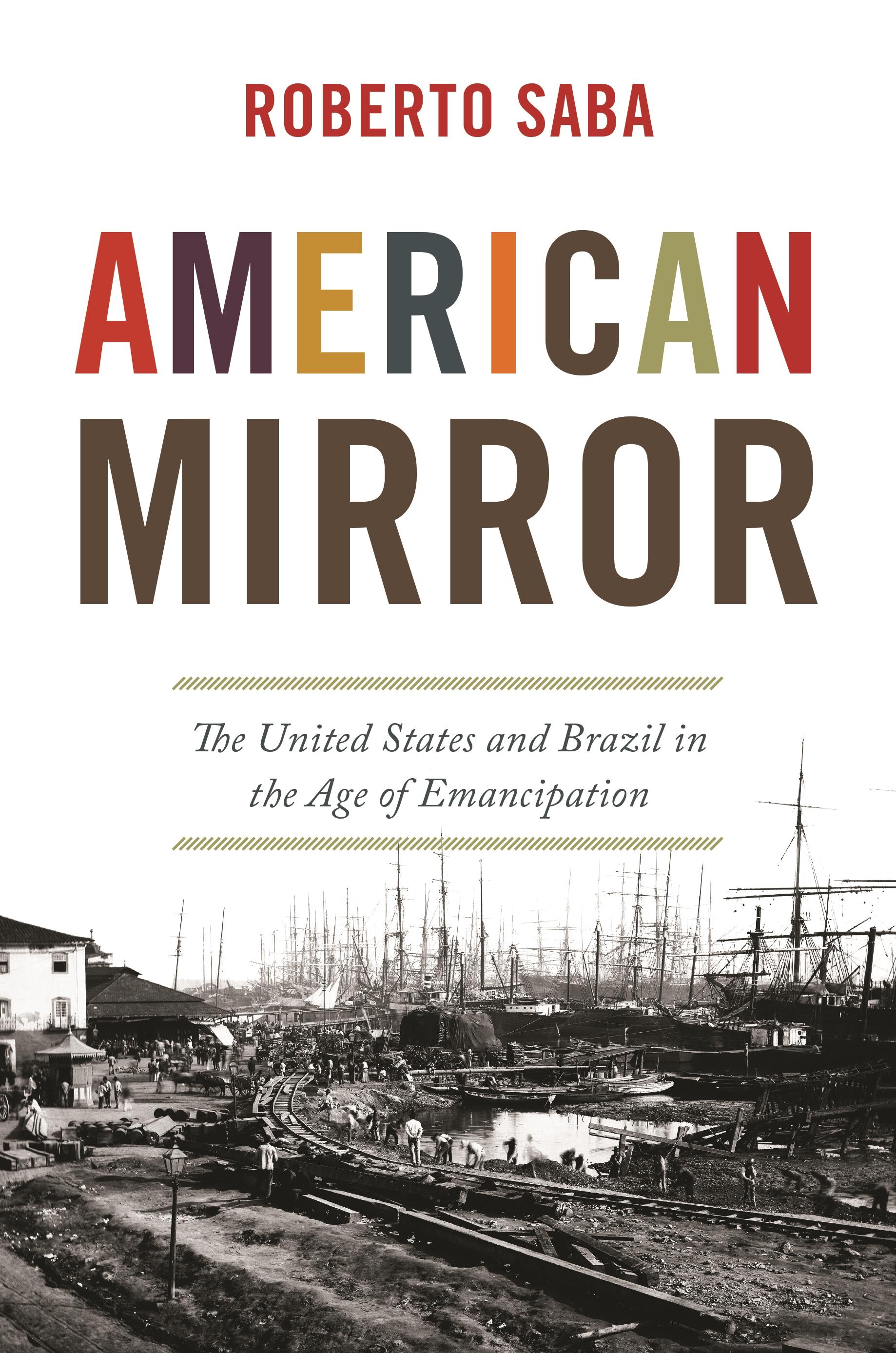
How slave emancipation transformed capitalism in the United States and Brazil
In the nineteenth century, the United States and Brazil were the largest slave societies in the Western world. The former enslaved approximately four million people, the latter nearly two million. Slavery was integral to the production of agricultural commodities for the global market, and governing elites feared the system’s demise would ruin their countries. Yet, when slavery ended in the United States and Brazil, in 1865 and 1888 respectively, what resulted was immediate and continuous economic progress. In American Mirror, Roberto Saba investigates how American and Brazilian reformers worked together to ensure that slave emancipation would advance the interests of capital.
Saba explores the methods through which antislavery reformers fostered capitalist development in a transnational context. From the 1850s to the 1880s, this coalition of Americans and Brazilians—which included diplomats, engineers, entrepreneurs, journalists, merchants, missionaries, planters, politicians, scientists, and students, among others—consolidated wage labor as the dominant production system in their countries. These reformers were not romantic humanitarians, but cosmopolitan modernizers who worked together to promote labor-saving machinery, new transportation technology, scientific management, and technical education. They successfully used such innovations to improve production and increase trade.
Challenging commonly held ideas about slavery and its demise in the Western Hemisphere, American Mirror illustrates the crucial role of slave emancipation in the making of capitalism.
Before Memmo my notes were scattered across PDFs. Now a workspace pulls everything into one place — I see exactly what's still left to study.
Memmo's summaries are gold before exams. I don't have to re-read 800 pages two weeks before — just the important parts.
The AI chat has saved me the night before an exam more than once. I just keep asking until I get it — no waiting on a study group to reply.
The quizzes hit exactly what I need to know. Memmo tracks what I get stuck on — so I only practice what's worth it.
Flashcards with spaced repetition are magic. Memmo knows when I'm about to forget something and brings it back.
The AI podcasts are my favorite. I listen on my way to school and get a recap without sitting at a computer.

Handbok i kvalitativa metoder
281 kr

Hållbar utveckling: en introduktion för ingenjörer och andra problemlösare
334 kr

Brymans Samhällsvetenskapliga metoder
390 kr

Projektledning
491 kr

Den orättvisa hälsan: om socioekonomiska skillnader i hälsa och livslängd
326 kr

Organizational Leadership
429 kr

Vetenskapsteori för nybörjare
196 kr

På väg mot läraryrket
172 kr

Det sociala livet i skolan: Socialpsykologiska perspektiv
253 kr

Betygsättningens didaktik
151 kr

Personality
402 kr

Studying Leadership
404 kr

Managing Innovation
477 kr

Introduktion till samhällsvetenskaplig metod
347 kr

The Psychology of Sex and Gender
698 kr

Evidens och kunskap för socialt arbete
207 kr

Introduction to Leadership
605 kr