
Before Memmo my notes were scattered across PDFs. Now a workspace pulls everything into one place — I see exactly what's still left to study.
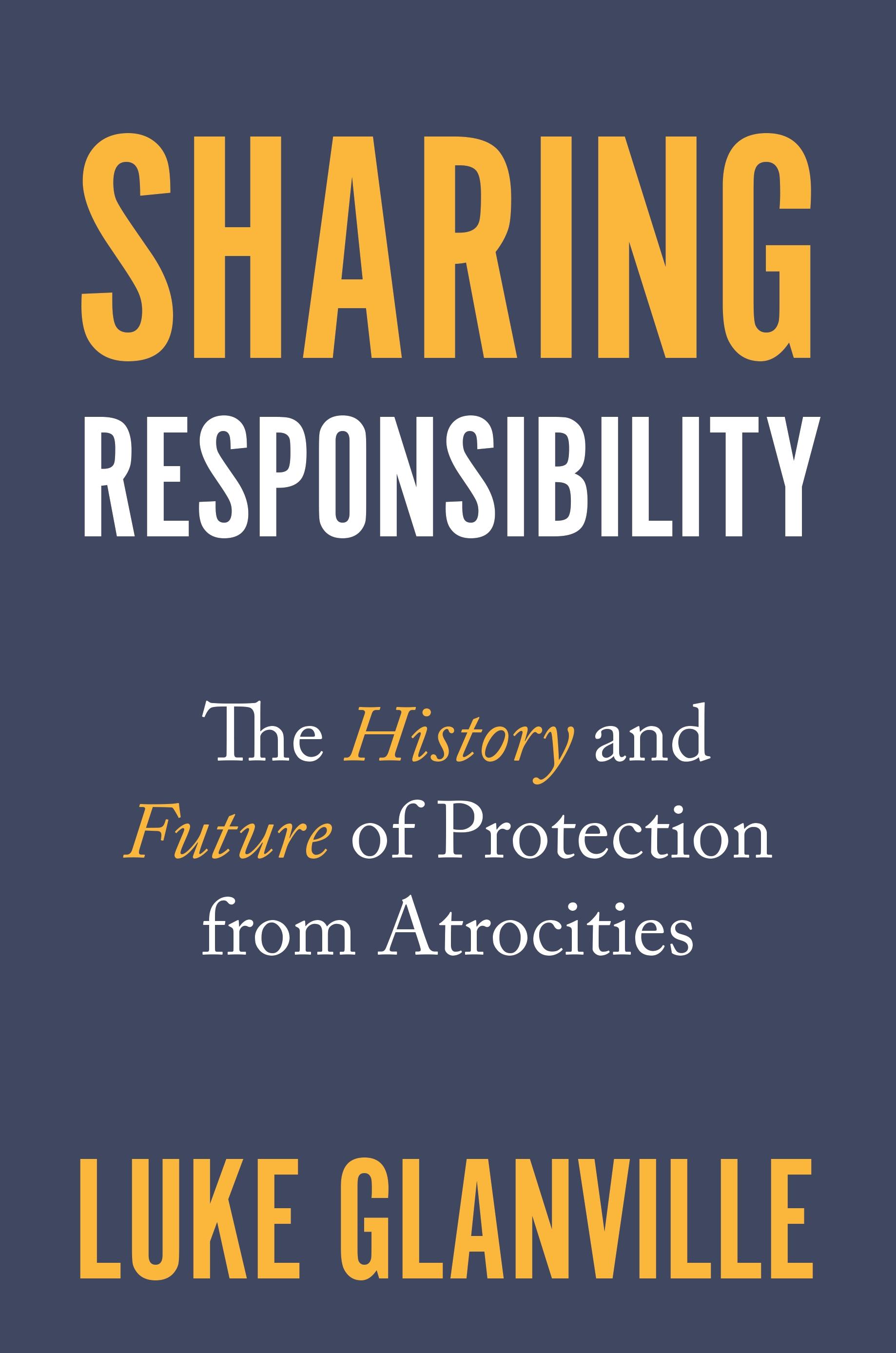
A look at the duty of nations to protect human rights beyond borders, why it has failed in practice, and what can be done about it
The idea that states share a responsibility to shield people everywhere from atrocities is presently under threat. Despite some early twenty-first century successes, including the 2005 United Nations endorsement of the Responsibility to Protect, the project has been placed into jeopardy due to catastrophes in such places as Syria, Myanmar, and Yemen; resurgent nationalism; and growing global antagonism. In Sharing Responsibility, Luke Glanville seeks to diagnose the current crisis in international protection by exploring its long and troubled history. With attention to ethics, law, and politics, he measures what possibilities remain for protecting people wherever they reside from atrocities, despite formidable challenges in the international arena.
With a focus on Western natural law and the European society of states, Glanville shows that the history of the shared responsibility to protect is marked by courageous efforts, as well as troubling ties to Western imperialism, evasion, and abuse. The project of safeguarding vulnerable populations can undoubtedly devolve into blame shifting and hypocrisy, but can also spark effective burden sharing among nations. Glanville considers how states should support this responsibility, whether it can be coherently codified in law, the extent to which states have embraced their responsibilities, and what might lead them to do so more reliably in the future.
Sharing Responsibility wrestles with how countries should care for imperiled people and how the ideal of the responsibility to protect might inspire just behavior in an imperfect and troubled world.
Before Memmo my notes were scattered across PDFs. Now a workspace pulls everything into one place — I see exactly what's still left to study.
Memmo's summaries are gold before exams. I don't have to re-read 800 pages two weeks before — just the important parts.
The AI chat has saved me the night before an exam more than once. I just keep asking until I get it — no waiting on a study group to reply.
The quizzes hit exactly what I need to know. Memmo tracks what I get stuck on — so I only practice what's worth it.
Flashcards with spaced repetition are magic. Memmo knows when I'm about to forget something and brings it back.
The AI podcasts are my favorite. I listen on my way to school and get a recap without sitting at a computer.

Handbok i kvalitativa metoder
281 kr

Hållbar utveckling: en introduktion för ingenjörer och andra problemlösare
334 kr

Brymans Samhällsvetenskapliga metoder
390 kr

Projektledning
491 kr

Den orättvisa hälsan: om socioekonomiska skillnader i hälsa och livslängd
326 kr

Organizational Leadership
429 kr

Vetenskapsteori för nybörjare
196 kr

På väg mot läraryrket
172 kr

Det sociala livet i skolan: Socialpsykologiska perspektiv
253 kr

Betygsättningens didaktik
151 kr

Personality
402 kr

Studying Leadership
404 kr

Managing Innovation
477 kr

Introduktion till samhällsvetenskaplig metod
347 kr

The Psychology of Sex and Gender
698 kr

Evidens och kunskap för socialt arbete
207 kr

Introduction to Leadership
605 kr