
Before Memmo my notes were scattered across PDFs. Now a workspace pulls everything into one place — I see exactly what's still left to study.
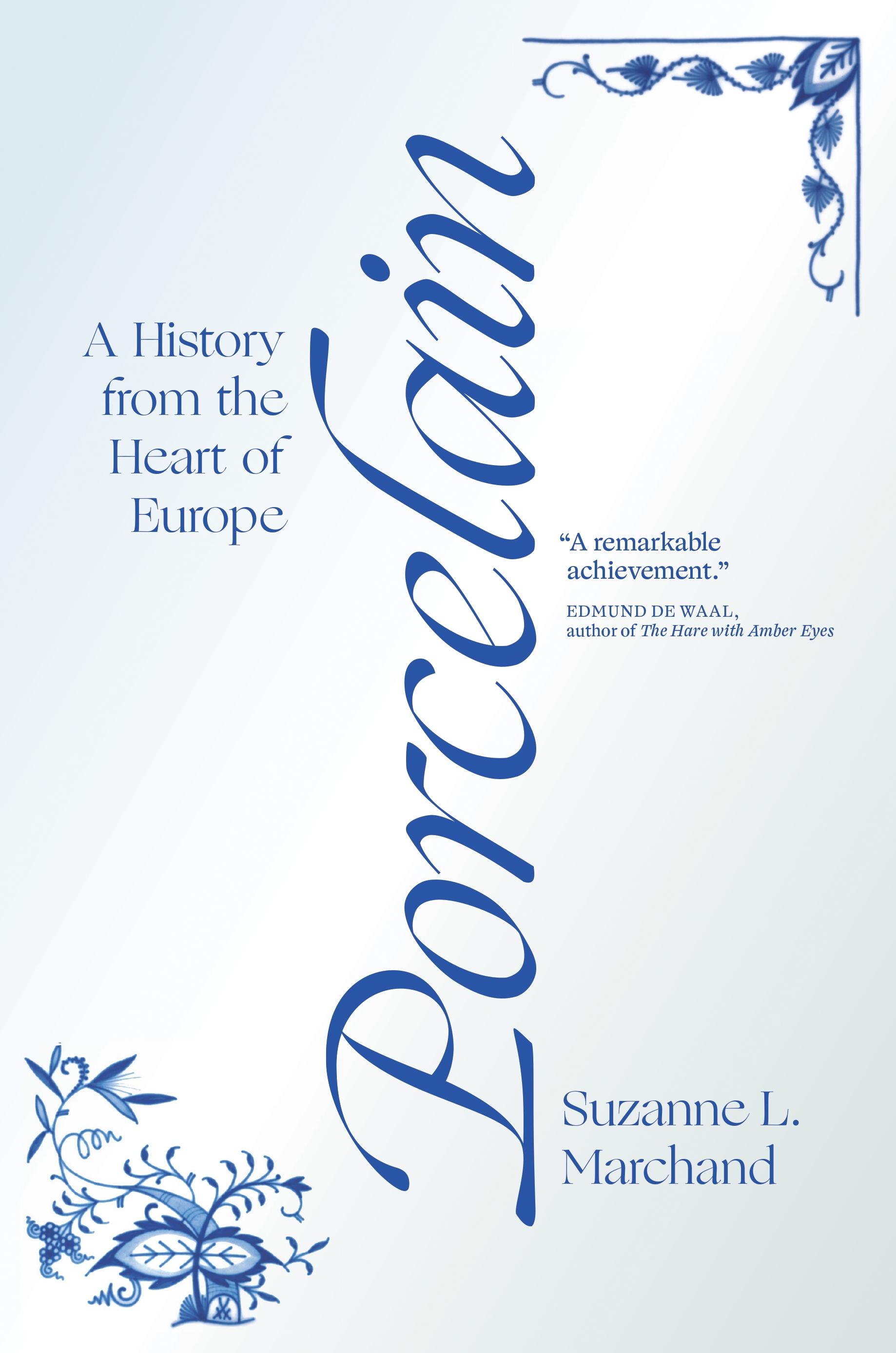
"This is the book on porcelain we have been waiting for. . . . A remarkable achievement."—Edmund de Waal, author of The Hare with Amber Eyes
A sweeping cultural and economic history of porcelain, from the eighteenth century to the present
Porcelain was invented in medieval China—but its secret recipe was first reproduced in Europe by an alchemist in the employ of the Saxon king Augustus the Strong. Saxony’s revered Meissen factory could not keep porcelain’s ingredients secret for long, however, and scores of Holy Roman princes quickly founded their own mercantile manufactories, soon to be rivaled by private entrepreneurs, eager to make not art but profits. As porcelain’s uses multiplied and its price plummeted, it lost much of its identity as aristocratic ornament, instead taking on a vast number of banal, yet even more culturally significant, roles. By the nineteenth and twentieth centuries, it became essential to bourgeois dining, and also acquired new functions in insulator tubes, shell casings, and teeth.
Weaving together the experiences of entrepreneurs and artisans, state bureaucrats and female consumers, chemists and peddlers, Porcelain traces the remarkable story of “white gold” from its origins as a princely luxury item to its fate in Germany’s cataclysmic twentieth century. For three hundred years, porcelain firms have come and gone, but the industry itself, at least until very recently, has endured. After Augustus, porcelain became a quintessentially German commodity, integral to provincial pride, artisanal industrial production, and a familial sense of home.
Telling the story of porcelain’s transformation from coveted luxury to household necessity and flea market staple, Porcelain offers a fascinating alternative history of art, business, taste, and consumption in Central Europe.
Before Memmo my notes were scattered across PDFs. Now a workspace pulls everything into one place — I see exactly what's still left to study.
Memmo's summaries are gold before exams. I don't have to re-read 800 pages two weeks before — just the important parts.
The AI chat has saved me the night before an exam more than once. I just keep asking until I get it — no waiting on a study group to reply.
The quizzes hit exactly what I need to know. Memmo tracks what I get stuck on — so I only practice what's worth it.
Flashcards with spaced repetition are magic. Memmo knows when I'm about to forget something and brings it back.
The AI podcasts are my favorite. I listen on my way to school and get a recap without sitting at a computer.

Handbok i kvalitativa metoder
281 kr

Hållbar utveckling: en introduktion för ingenjörer och andra problemlösare
334 kr

Brymans Samhällsvetenskapliga metoder
390 kr

Projektledning
491 kr

Den orättvisa hälsan: om socioekonomiska skillnader i hälsa och livslängd
326 kr

Organizational Leadership
429 kr

Vetenskapsteori för nybörjare
196 kr

På väg mot läraryrket
172 kr

Det sociala livet i skolan: Socialpsykologiska perspektiv
253 kr

Betygsättningens didaktik
151 kr

Personality
402 kr

Studying Leadership
404 kr

Managing Innovation
477 kr

Introduktion till samhällsvetenskaplig metod
347 kr

The Psychology of Sex and Gender
698 kr

Evidens och kunskap för socialt arbete
207 kr

Introduction to Leadership
605 kr