
Before Memmo my notes were scattered across PDFs. Now a workspace pulls everything into one place — I see exactly what's still left to study.
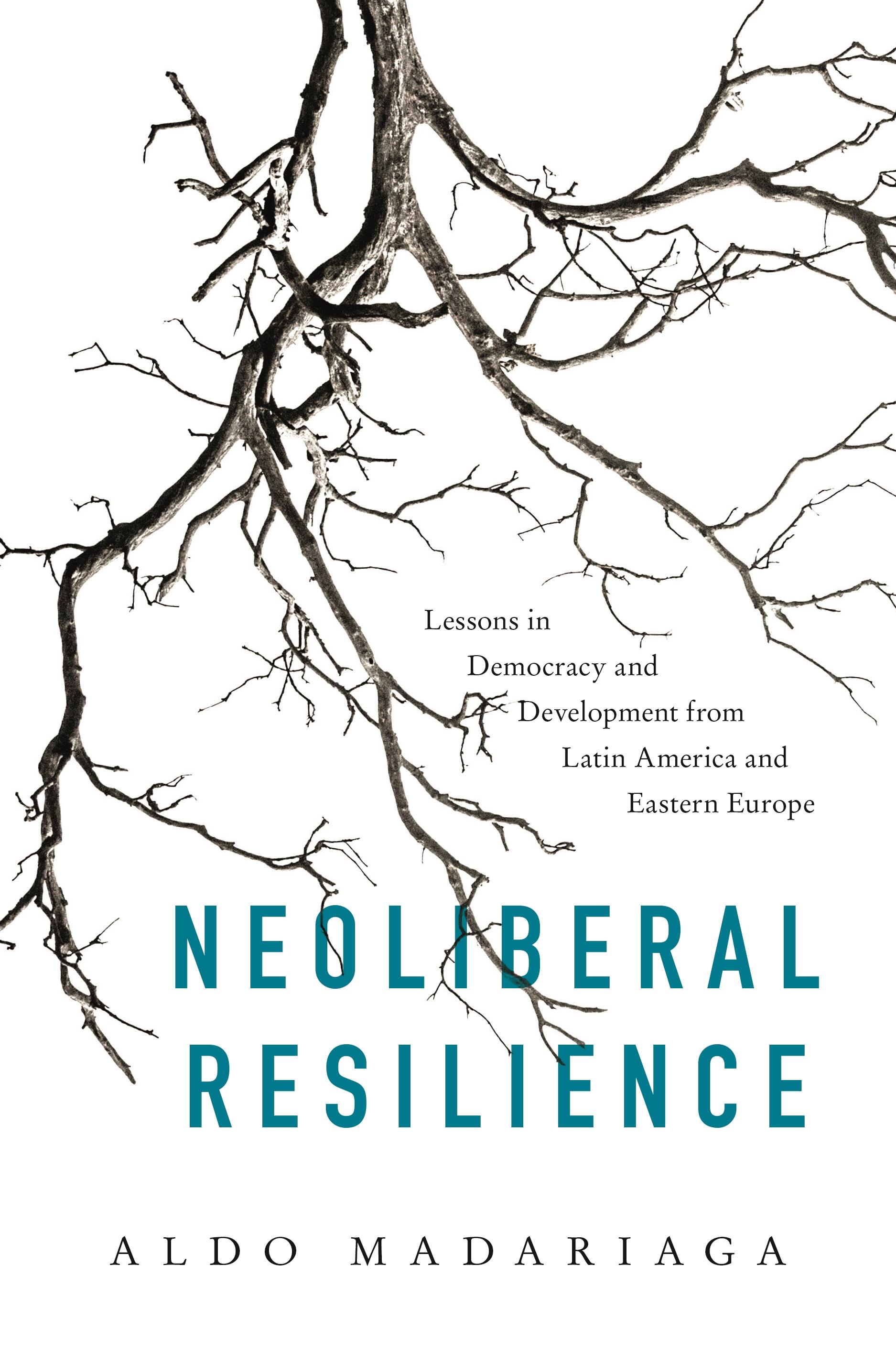
An exploration of the factors behind neoliberalism’s resilience in developing economies and what this could mean for democracy’s future
Since the 1980s, neoliberalism has withstood repeated economic shocks and financial crises to become the hegemonic economic policy worldwide. Why has neoliberalism remained so resilient? What is the relationship between this resiliency and the backsliding of Western democracy? Can democracy survive an increasingly authoritarian neoliberal capitalism? Neoliberal Resilience answers these questions by bringing the developing world’s recent history to the forefront of our thinking about democratic capitalism’s future.
Looking at four decades of change in four countries once considered to be leading examples of effective neoliberal policy in Latin America and Eastern Europe—Argentina, Chile, Estonia, and Poland—Aldo Madariaga examines the domestic actors and institutions responsible for defending neoliberalism. Delving into neoliberalism’s political power, Madariaga demonstrates that it is strongest in countries where traditional democratic principles have been slowly and purposefully weakened. He identifies three mechanisms through which coalitions of political, institutional, and financial forces have propagated neoliberalism’s success: the privatization of state companies to create a supporting business class, the use of political institutions to block the representation of alternatives in congress, and the constitutionalization of key economic policies to shield them from partisan influence. Madariaga reflects on today’s most pressing issues, including the influence of increasing austerity measures and the rise of populism.
A comparative exploration of political economics at the peripheries of global capitalism, Neoliberal Resilience investigates the tensions between neoliberalism’s longevity and democracy’s gradual decline.
Before Memmo my notes were scattered across PDFs. Now a workspace pulls everything into one place — I see exactly what's still left to study.
Memmo's summaries are gold before exams. I don't have to re-read 800 pages two weeks before — just the important parts.
The AI chat has saved me the night before an exam more than once. I just keep asking until I get it — no waiting on a study group to reply.
The quizzes hit exactly what I need to know. Memmo tracks what I get stuck on — so I only practice what's worth it.
Flashcards with spaced repetition are magic. Memmo knows when I'm about to forget something and brings it back.
The AI podcasts are my favorite. I listen on my way to school and get a recap without sitting at a computer.

Handbok i kvalitativa metoder
281 kr

Hållbar utveckling: en introduktion för ingenjörer och andra problemlösare
334 kr

Brymans Samhällsvetenskapliga metoder
390 kr

Projektledning
491 kr

Den orättvisa hälsan: om socioekonomiska skillnader i hälsa och livslängd
326 kr

Vetenskapsteori för nybörjare
196 kr

Organizational Leadership
429 kr

På väg mot läraryrket
172 kr

Det sociala livet i skolan: Socialpsykologiska perspektiv
253 kr

Betygsättningens didaktik
151 kr

Personality
402 kr

Studying Leadership
404 kr

Managing Innovation
477 kr

Introduktion till samhällsvetenskaplig metod
347 kr

The Psychology of Sex and Gender
698 kr

Evidens och kunskap för socialt arbete
207 kr

Introduction to Leadership
605 kr