
Before Memmo my notes were scattered across PDFs. Now a workspace pulls everything into one place — I see exactly what's still left to study.
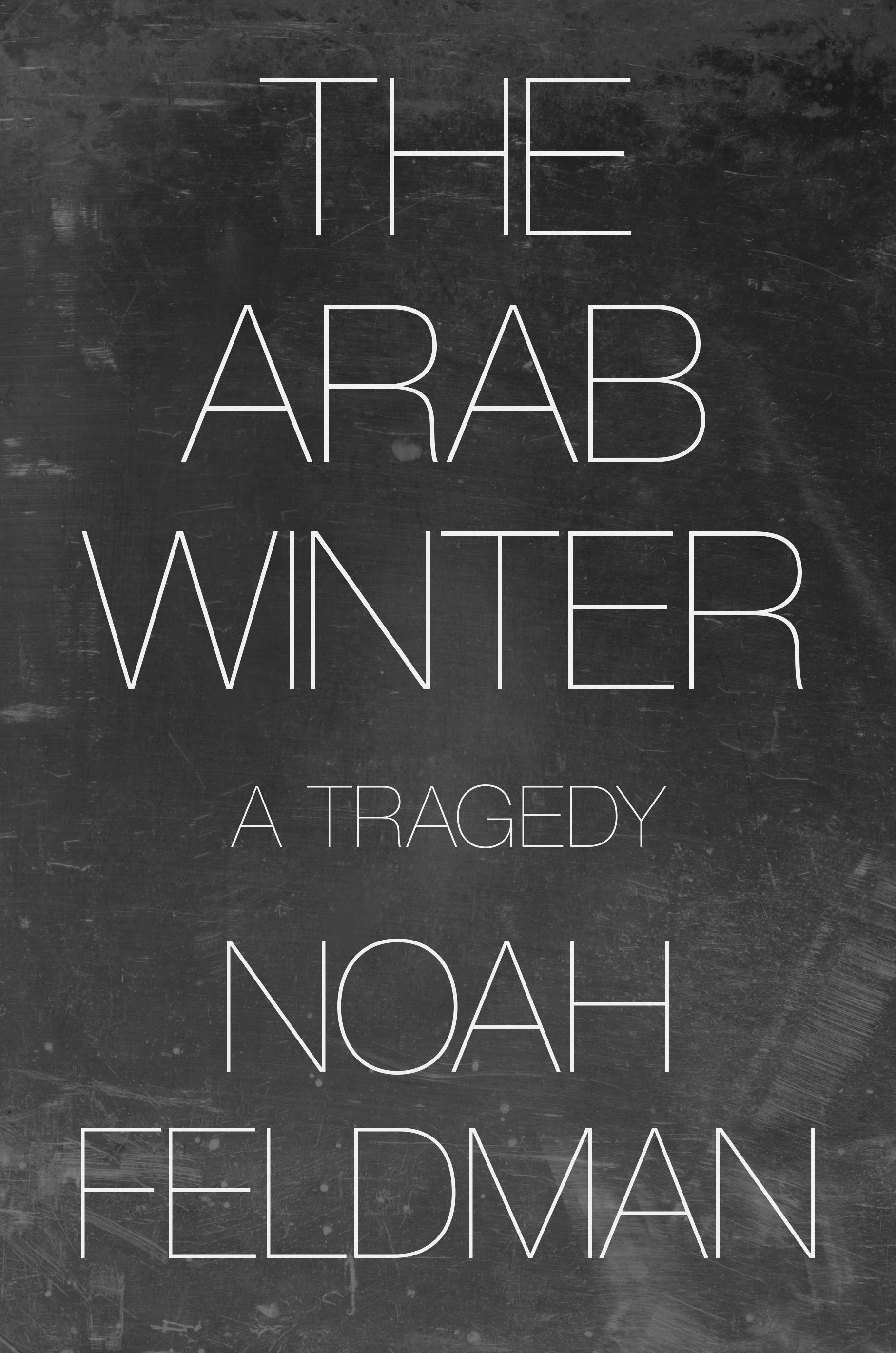
A New York Times Book Review Editors’ Choice
Why the conventional wisdom about the Arab Spring is wrong
The Arab Spring promised to end dictatorship and bring self-government to people across the Middle East. Yet everywhere except Tunisia it led to either renewed dictatorship, civil war, extremist terror, or all three. In The Arab Winter, Noah Feldman argues that the Arab Spring was nevertheless not an unmitigated failure, much less an inevitable one. Rather, it was a noble, tragic series of events in which, for the first time in recent Middle Eastern history, Arabic-speaking peoples took free, collective political action as they sought to achieve self-determination.
Focusing on the Egyptian revolution and counterrevolution, the Syrian civil war, the rise and fall of ISIS in Syria and Iraq, and the Tunisian struggle toward Islamic constitutionalism, Feldman provides an original account of the political consequences of the Arab Spring, including the reaffirmation of pan-Arab identity, the devastation of Arab nationalisms, and the death of political Islam with the collapse of ISIS. He also challenges commentators who say that the Arab Spring was never truly transformative, that Arab popular self-determination was a mirage, and even that Arabs or Muslims are less capable of democracy than other peoples.
Above all, The Arab Winter shows that we must not let the tragic outcome of the Arab Spring disguise its inherent human worth. People whose political lives had been determined from the outside tried, and for a time succeeded, in making politics for themselves. That this did not result in constitutional democracy or a better life for most of those affected doesn't mean the effort didn't matter. To the contrary, it matters for history—and it matters for the future.
Before Memmo my notes were scattered across PDFs. Now a workspace pulls everything into one place — I see exactly what's still left to study.
Memmo's summaries are gold before exams. I don't have to re-read 800 pages two weeks before — just the important parts.
The AI chat has saved me the night before an exam more than once. I just keep asking until I get it — no waiting on a study group to reply.
The quizzes hit exactly what I need to know. Memmo tracks what I get stuck on — so I only practice what's worth it.
Flashcards with spaced repetition are magic. Memmo knows when I'm about to forget something and brings it back.
The AI podcasts are my favorite. I listen on my way to school and get a recap without sitting at a computer.

Handbok i kvalitativa metoder
281 kr

Hållbar utveckling: en introduktion för ingenjörer och andra problemlösare
334 kr

Brymans Samhällsvetenskapliga metoder
390 kr

Projektledning
491 kr

Den orättvisa hälsan: om socioekonomiska skillnader i hälsa och livslängd
326 kr

Organizational Leadership
429 kr

Vetenskapsteori för nybörjare
196 kr

På väg mot läraryrket
172 kr

Det sociala livet i skolan: Socialpsykologiska perspektiv
253 kr

Betygsättningens didaktik
151 kr

Personality
402 kr

Studying Leadership
404 kr

Managing Innovation
477 kr

Introduktion till samhällsvetenskaplig metod
347 kr

The Psychology of Sex and Gender
698 kr

Evidens och kunskap för socialt arbete
207 kr

Introduction to Leadership
605 kr