
Before Memmo my notes were scattered across PDFs. Now a workspace pulls everything into one place — I see exactly what's still left to study.
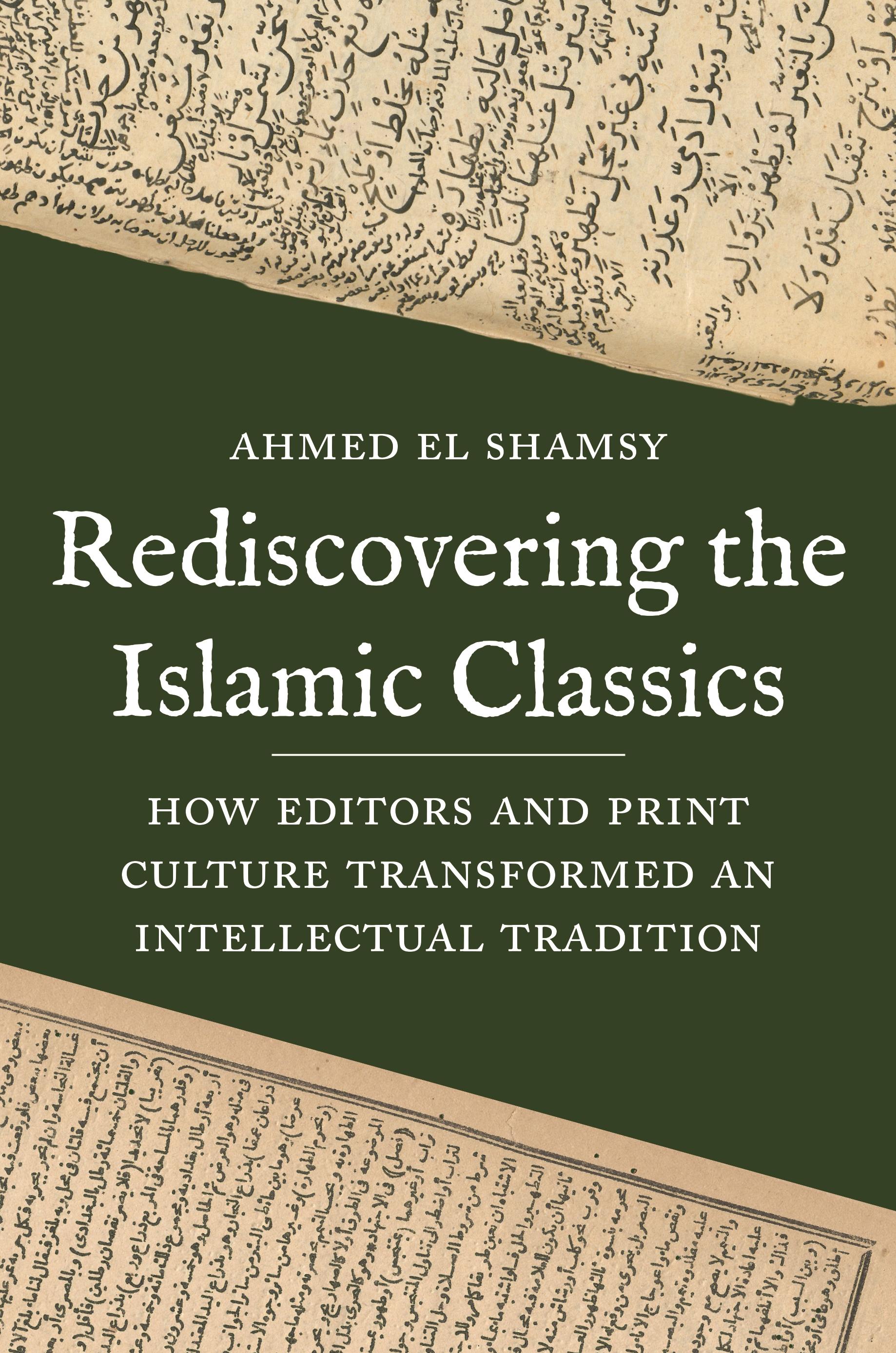
The story of how Arab editors of the late nineteenth and early twentieth centuries revolutionized Islamic literature
Islamic book culture dates back to late antiquity, when Muslim scholars began to write down their doctrines on parchment, papyrus, and paper and then to compose increasingly elaborate analyses of, and commentaries on, these ideas. Movable type was adopted in the Middle East only in the early nineteenth century, and it wasn't until the second half of the century that the first works of classical Islamic religious scholarship were printed there. But from that moment on, Ahmed El Shamsy reveals, the technology of print transformed Islamic scholarship and Arabic literature.
In the first wide-ranging account of the effects of print and the publishing industry on Islamic scholarship, El Shamsy tells the fascinating story of how a small group of editors and intellectuals brought forgotten works of Islamic literature into print and defined what became the classical canon of Islamic thought. Through the lens of the literary culture of nineteenth- and twentieth-century Arab cities—especially Cairo, a hot spot of the nascent publishing business—he explores the contributions of these individuals, who included some of the most important thinkers of the time. Through their efforts to find and publish classical literature, El Shamsy shows, many nearly lost works were recovered, disseminated, and harnessed for agendas of linguistic, ethical, and religious reform.
Bringing to light the agents and events of the Islamic print revolution, Rediscovering the Islamic Classics is an absorbing examination of the central role printing and its advocates played in the intellectual history of the modern Arab world.
Before Memmo my notes were scattered across PDFs. Now a workspace pulls everything into one place — I see exactly what's still left to study.
Memmo's summaries are gold before exams. I don't have to re-read 800 pages two weeks before — just the important parts.
The AI chat has saved me the night before an exam more than once. I just keep asking until I get it — no waiting on a study group to reply.
The quizzes hit exactly what I need to know. Memmo tracks what I get stuck on — so I only practice what's worth it.
Flashcards with spaced repetition are magic. Memmo knows when I'm about to forget something and brings it back.
The AI podcasts are my favorite. I listen on my way to school and get a recap without sitting at a computer.

Handbok i kvalitativa metoder
281 kr

Hållbar utveckling: en introduktion för ingenjörer och andra problemlösare
334 kr

Brymans Samhällsvetenskapliga metoder
390 kr

Projektledning
491 kr

Den orättvisa hälsan: om socioekonomiska skillnader i hälsa och livslängd
326 kr

Organizational Leadership
429 kr

Vetenskapsteori för nybörjare
196 kr

På väg mot läraryrket
172 kr

Det sociala livet i skolan: Socialpsykologiska perspektiv
253 kr

Betygsättningens didaktik
151 kr

Personality
402 kr

Studying Leadership
404 kr

Managing Innovation
477 kr

Introduktion till samhällsvetenskaplig metod
347 kr

The Psychology of Sex and Gender
698 kr

Evidens och kunskap för socialt arbete
207 kr

Introduction to Leadership
605 kr