
Before Memmo my notes were scattered across PDFs. Now a workspace pulls everything into one place — I see exactly what's still left to study.
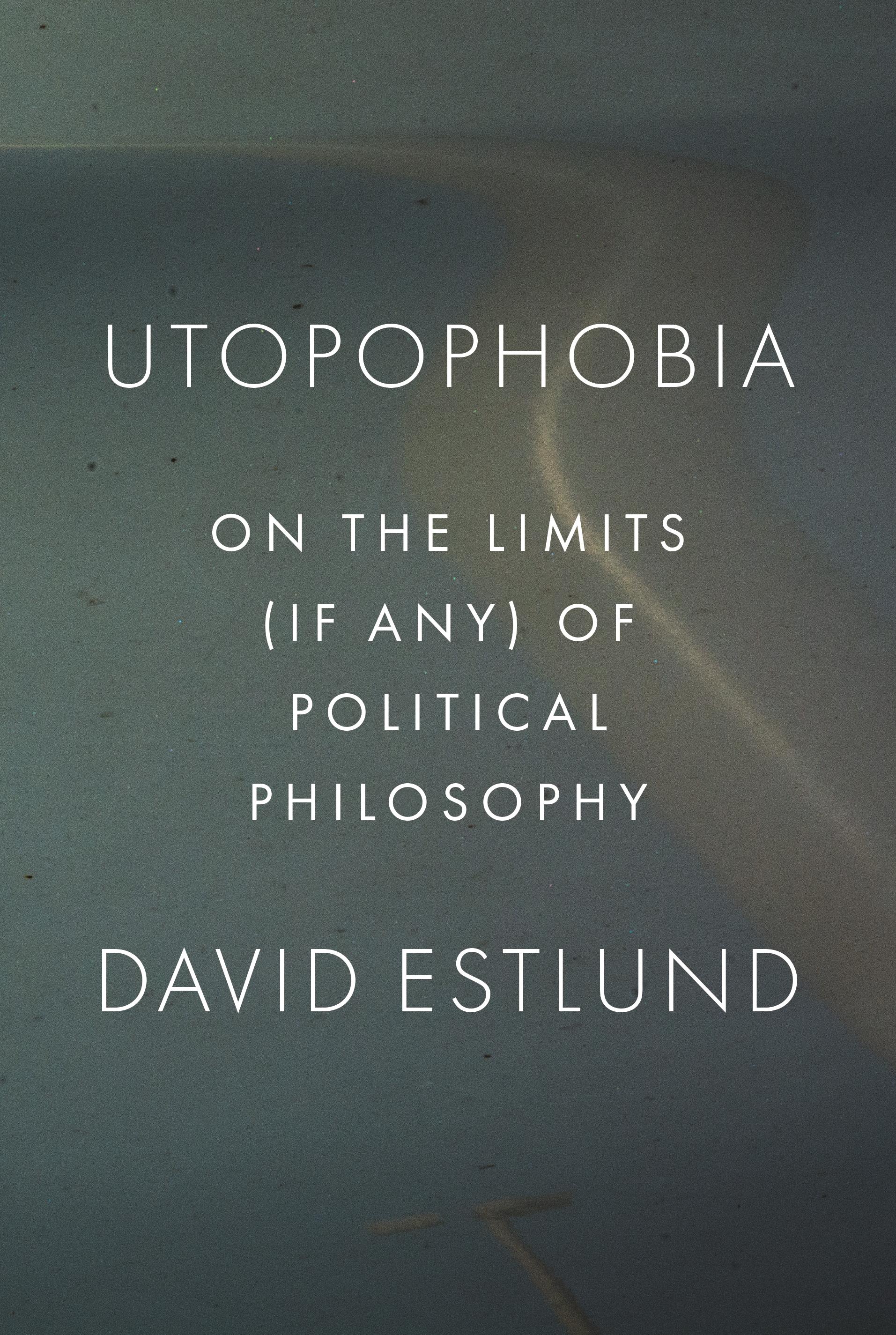
A leading political theorist’s groundbreaking defense of ideal conceptions of justice in political philosophy
Throughout the history of political philosophy and politics, there has been continual debate about the roles of idealism versus realism. For contemporary political philosophy, this debate manifests in notions of ideal theory versus nonideal theory. Nonideal thinkers shift their focus from theorizing about full social justice, asking instead which feasible institutional and political changes would make a society more just. Ideal thinkers, on the other hand, question whether full justice is a standard that any society is likely ever to satisfy. And, if social justice is unrealistic, are attempts to understand it without value or importance, and merely utopian?
Utopophobia argues against thinking that justice must be realistic, or that understanding justice is only valuable if it can be realized. David Estlund does not offer a particular theory of justice, nor does he assert that justice is indeed unrealizable—only that it could be, and this possibility upsets common ways of proceeding in political thought. Estlund engages critically with important strands in traditional and contemporary political philosophy that assume a sound theory of justice has the overriding, defining task of contributing practical guidance toward greater social justice. Along the way, he counters several tempting perspectives, including the view that inquiry in political philosophy could have significant value only as a guide to practical political action, and that understanding true justice would necessarily have practical value, at least as an ideal arrangement to be approximated.
Demonstrating that unrealistic standards of justice can be both sound and valuable to understand, Utopophobia stands as a trenchant defense of ideal theory in political philosophy.
Before Memmo my notes were scattered across PDFs. Now a workspace pulls everything into one place — I see exactly what's still left to study.
Memmo's summaries are gold before exams. I don't have to re-read 800 pages two weeks before — just the important parts.
The AI chat has saved me the night before an exam more than once. I just keep asking until I get it — no waiting on a study group to reply.
The quizzes hit exactly what I need to know. Memmo tracks what I get stuck on — so I only practice what's worth it.
Flashcards with spaced repetition are magic. Memmo knows when I'm about to forget something and brings it back.
The AI podcasts are my favorite. I listen on my way to school and get a recap without sitting at a computer.

Handbok i kvalitativa metoder
281 kr

Hållbar utveckling: en introduktion för ingenjörer och andra problemlösare
334 kr

Brymans Samhällsvetenskapliga metoder
390 kr

Projektledning
491 kr

Den orättvisa hälsan: om socioekonomiska skillnader i hälsa och livslängd
326 kr

Organizational Leadership
429 kr

Vetenskapsteori för nybörjare
196 kr

På väg mot läraryrket
172 kr

Det sociala livet i skolan: Socialpsykologiska perspektiv
253 kr

Betygsättningens didaktik
151 kr

Personality
402 kr

Studying Leadership
404 kr

Managing Innovation
477 kr

Introduktion till samhällsvetenskaplig metod
347 kr

The Psychology of Sex and Gender
698 kr

Evidens och kunskap för socialt arbete
207 kr

Introduction to Leadership
605 kr