
Before Memmo my notes were scattered across PDFs. Now a workspace pulls everything into one place — I see exactly what's still left to study.
An in-depth look at how Muslim American organizations address domestic violence within their communities
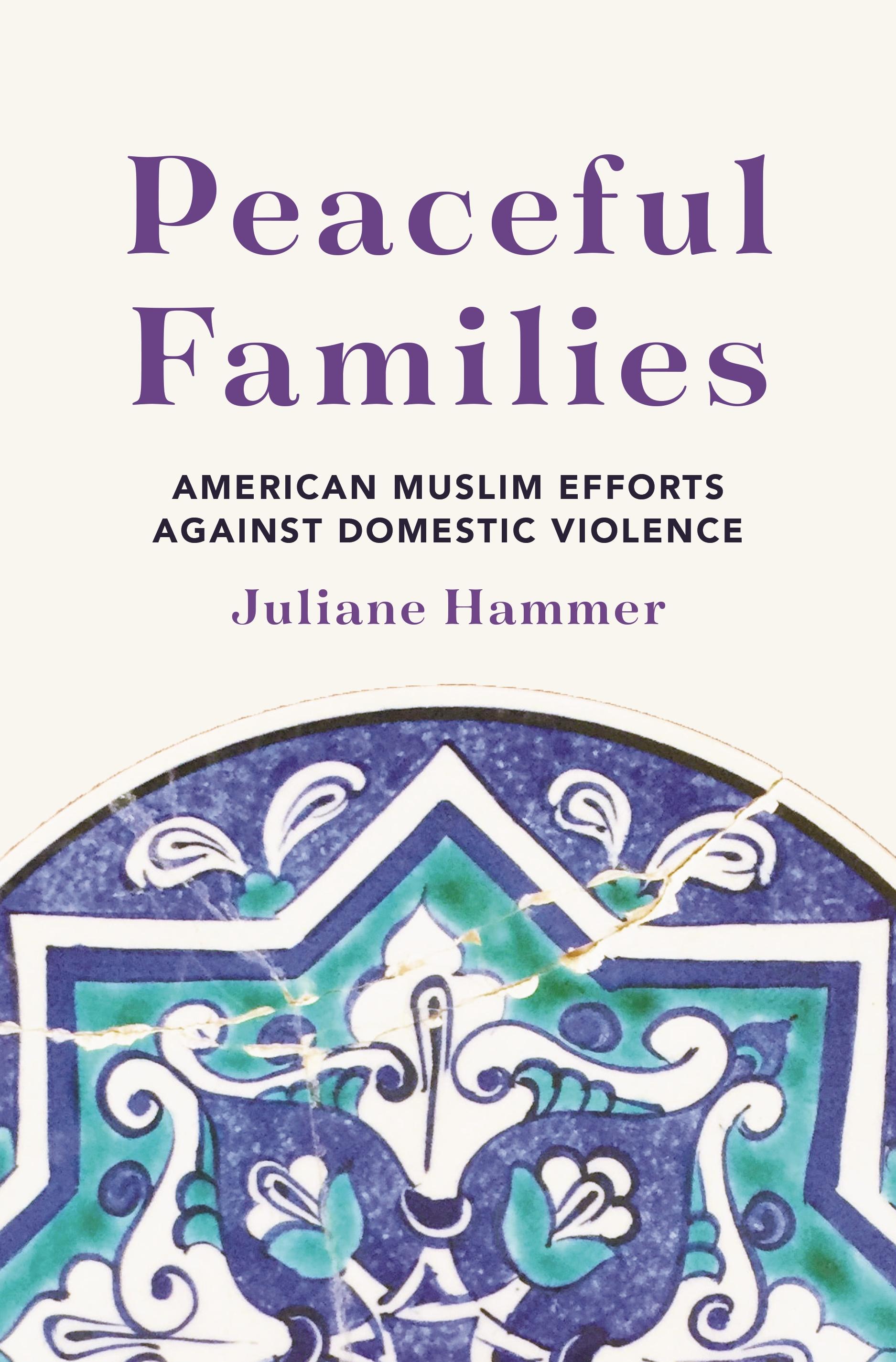
In Peaceful Families, Juliane Hammer chronicles and examines the efforts, stories, arguments, and strategies of individuals and organizations doing Muslim anti–domestic violence work in the United States. Looking at connections among ethical practices, gender norms, and religious interpretation, Hammer demonstrates how Muslim advocates mobilize a rich religious tradition in community efforts against domestic violence, and identify religion and culture as resources or roadblocks to prevent harm and to restore family peace.
Drawing on her interviews with Muslim advocates, service providers, and religious leaders, Hammer paints a vivid picture of the challenges such advocacy work encounters. The insecurities of American Muslim communities facing intolerance and Islamophobia lead to additional challenges in acknowledging and confronting problems of spousal abuse, and Hammer reveals how Muslim anti–domestic violence workers combine the methods of the mainstream secular anti–domestic violence movement with Muslim perspectives and interpretations. Identifying a range of Muslim anti–domestic violence approaches, Hammer argues that at certain times and in certain situations it may be imperative to combat domestic abuse by endorsing notions of “protective patriarchy”—even though service providers may hold feminist views critical of patriarchal assumptions. Hammer links Muslim advocacy efforts to the larger domestic violence crisis in the United States, and shows how, through extensive family and community networks, advocates participate in and further debates about family, gender, and marriage in global Muslim communities.
Highlighting the place of Islam as an American religion, Peaceful Families delves into the efforts made by Muslim Americans against domestic violence and the ways this refashions the society at large.
Before Memmo my notes were scattered across PDFs. Now a workspace pulls everything into one place — I see exactly what's still left to study.
Memmo's summaries are gold before exams. I don't have to re-read 800 pages two weeks before — just the important parts.
The AI chat has saved me the night before an exam more than once. I just keep asking until I get it — no waiting on a study group to reply.
The quizzes hit exactly what I need to know. Memmo tracks what I get stuck on — so I only practice what's worth it.
Flashcards with spaced repetition are magic. Memmo knows when I'm about to forget something and brings it back.
The AI podcasts are my favorite. I listen on my way to school and get a recap without sitting at a computer.

Handbok i kvalitativa metoder
281 kr

Hållbar utveckling: en introduktion för ingenjörer och andra problemlösare
334 kr

Brymans Samhällsvetenskapliga metoder
390 kr

Projektledning
491 kr

Den orättvisa hälsan: om socioekonomiska skillnader i hälsa och livslängd
326 kr

Vetenskapsteori för nybörjare
196 kr

Organizational Leadership
429 kr

På väg mot läraryrket
172 kr

Det sociala livet i skolan: Socialpsykologiska perspektiv
253 kr

Betygsättningens didaktik
151 kr

Personality
402 kr

Studying Leadership
404 kr

Managing Innovation
477 kr

Introduktion till samhällsvetenskaplig metod
347 kr

The Psychology of Sex and Gender
698 kr

Evidens och kunskap för socialt arbete
207 kr

Introduction to Leadership
605 kr